Diplomatic Friction: Winston Peters Alleges 'Covert' Immigration Curbs in India-NZ FTA
'Target Indians': NZ foreign minister alleges ‘covert’ immigration changes under FTA
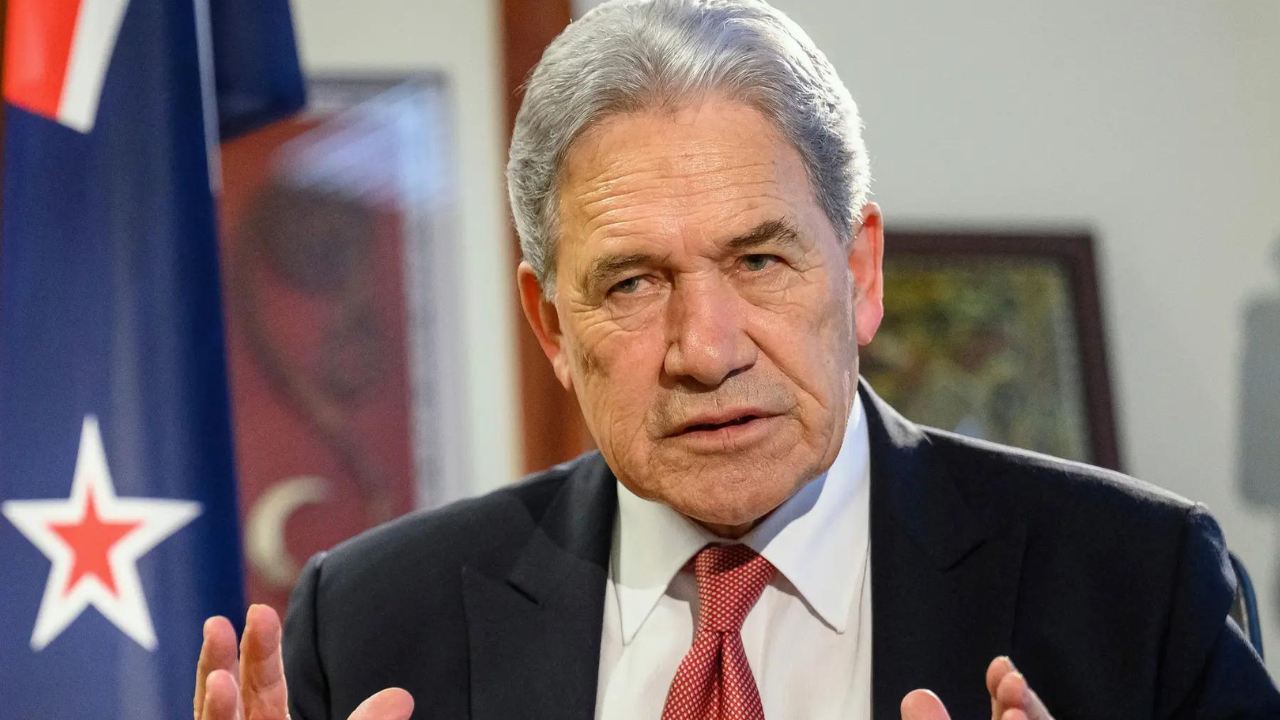
New Zealand’s foreign minister claims the government is sidelining Indian citizens through discriminatory visa rules tucked into the proposed trade agreement.
The halls of Wellington are echoing with a rare, stinging rebuke from within the government’s own ranks. Winston Peters, New Zealand’s Foreign Minister and leader of the New Zealand First party, has fired a political broadside at his own coalition partners. He alleges that officials have "covertly" designed immigration settings under the proposed India-New Zealand Free Trade Agreement (FTA) that specifically "target Indians and Indians alone."
The Allegations
The discord centres on a series of restrictive measures Peters claims were drafted to appease domestic concerns, allegedly in secret. According to the Foreign Minister, these rules include a specific labour market and economic needs test imposed exclusively on Indian citizens—a hurdle not faced by nationals from other FTA partners like South Korea or Thailand.
Peters, who has been vocal in Parliament, argues that the proposed framework prevents Indian citizens from applying for temporary work visas while inside New Zealand and limits their ability to count specific work experience toward residency requirements. Perhaps most contentious is the assertion that these policies were deliberately kept under wraps, with internal documents purportedly showing officials feared the Indian government’s reaction if these "discriminatory" terms became public knowledge.
A Question of Numbers
Beyond the structural discrimination, Peters has raised alarms over the sheer scale of migration. While the government previously suggested the FTA would facilitate approximately 5,000 visa holders, Peters estimates the actual figure could exceed 20,000. He points to uncapped student work rights and the ability of visa holders to bring family members as catalysts that could fundamentally shift the demographic impact of the deal. His stance remains consistent: New Zealand First has long opposed embedding immigration policy into trade agreements, fearing a loss of sovereign control over border settings.
Why it matters
This internal spat highlights the delicate balancing act between pursuing economic integration and managing domestic political optics. For New Delhi, the situation is sensitive; an FTA is a cornerstone of deepening ties, yet any suggestion of discriminatory treatment—especially if confirmed—could stall negotiations or trigger a diplomatic cooling-off period. The government, for its part, has dismissed these claims as misinformation. However, the fact that a senior minister is openly warning of "retaliation" from a major strategic partner suggests that the path to a finalized deal is far rockier than the official narrative implies. Whether this is a genuine policy rift or a tactical maneuver by Peters to exert influence on the broader government agenda, the ripple effects are being felt across the bilateral landscape.
Priya Nair covers parties, elections and the business of power for PoliticalPedia.