Digital Kill-Switches: Why the Centre Pulled the Plug on Battery Apps
Centre removes 2 apps from app stores after e-rickshaw remote shutdown reports
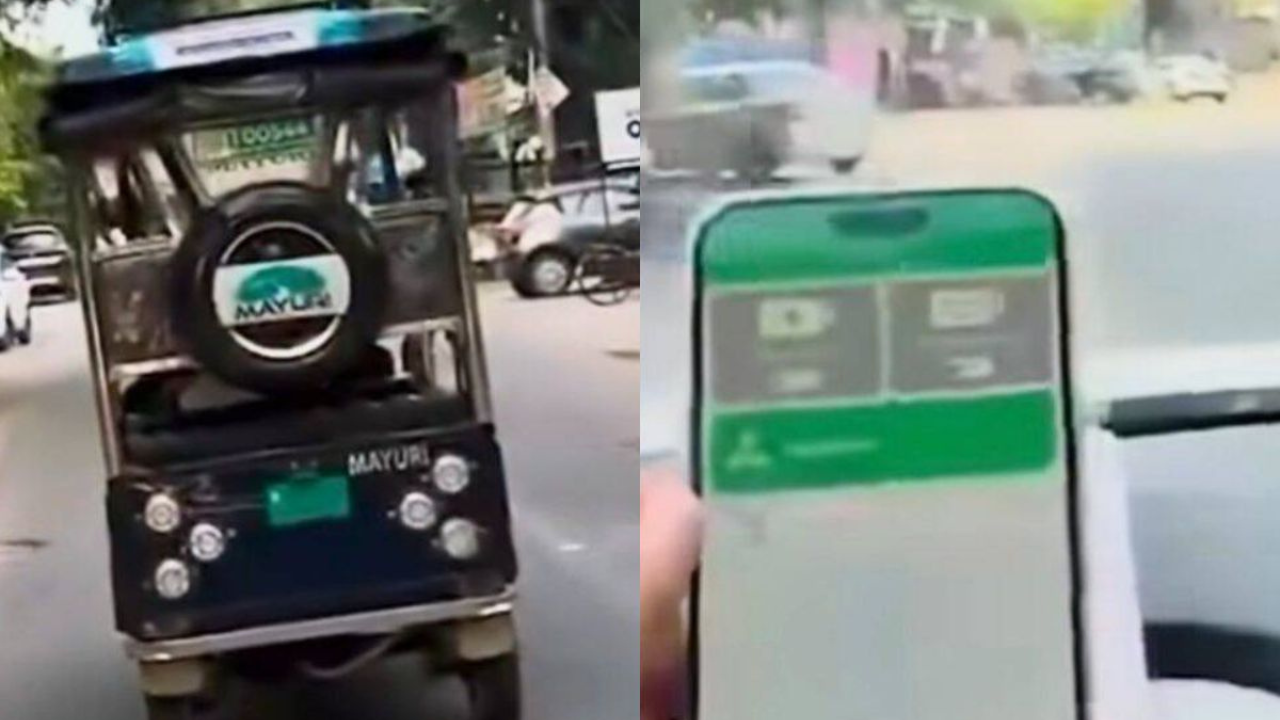
Smartphone applications linked to the remote disabling of e-rickshaws have been removed from digital stores following urgent government intervention.
The silent stalling of an e-rickshaw on a busy Delhi street might sound like a simple mechanical failure, but recent reports suggest a more sinister, digital cause. Over the last few days, videos surfacing on social media showed drivers struggling as their vehicles were rendered abruptly inoperable. The culprit? Vulnerabilities in Chinese-manufactured Battery Management Systems (BMS) that allowed nearby users to wirelessly hijack vehicle power through Bluetooth.
On Friday, the government acted swiftly, confirming that two smartphone apps, including the one known as BAT-BMS, have been removed from app stores. IT Secretary S. Krishnan, speaking at a CII Cybersecurity Summit, confirmed that authorities moved to restrict access to these tools after the reports gained traction. While no formal written complaints have been lodged with the transport department yet, officials are treating the threat as a serious breach of public infrastructure security.
The mechanics of the breach
The BAT-BMS application, originally developed by Shenzhen Grenergy Technology, was designed as a legitimate monitoring tool to track battery voltage and temperature. However, the system’s design flaw is its greatest liability: it lacks basic password protection or robust authentication.
Preliminary findings indicate that because these budget-friendly BMS units operate on open Bluetooth protocols, anyone within a short range with the app installed could potentially connect to the battery and cut its power output. For thousands of daily commuters and drivers who depend on these rickshaws, this isn't just a software glitch—it’s a precarious security gap in the city’s last-mile connectivity.
A wider call for accountability
The government has made it clear that this isn't just about one or two apps. IT Secretary Krishnan emphasized that app stores must exercise greater due diligence before hosting software that interacts with hardware. The administration is now preparing to engage with these platforms to ensure that such "potentially harmful" applications are vetted more rigorously before they reach the consumer.
The bigger picture
This incident serves as a sharp reminder of the hidden risks embedded in the rapid, often unregulated, adoption of smart technology in India’s informal transport sector. As we push for cleaner, electric mobility, the reliance on imported, low-cost hardware—often lacking the security standards of enterprise-grade systems—creates a massive attack surface.
This episode suggests that the "digital India" transition requires more than just hardware deployment; it demands a comprehensive cybersecurity framework for IoT (Internet of Things) devices. If a simple battery management app can be weaponized to stop a public vehicle, the industry must pivot toward encrypted, authenticated hardware protocols. The government's move to pull these apps is a necessary emergency brake, but the long-term solution lies in standardizing the security of the components powering our urban transit.
Ananya Iyer covers global affairs with an Indian lens for PoliticalPedia.