‘Didi Badal Gayi Thi’: The Growing Rebellion Within Mamata’s Trinamool
‘Didi Badal Gayi Thi’: Why MP Satabdi Roy Walked Away From Mamata-Led TMC
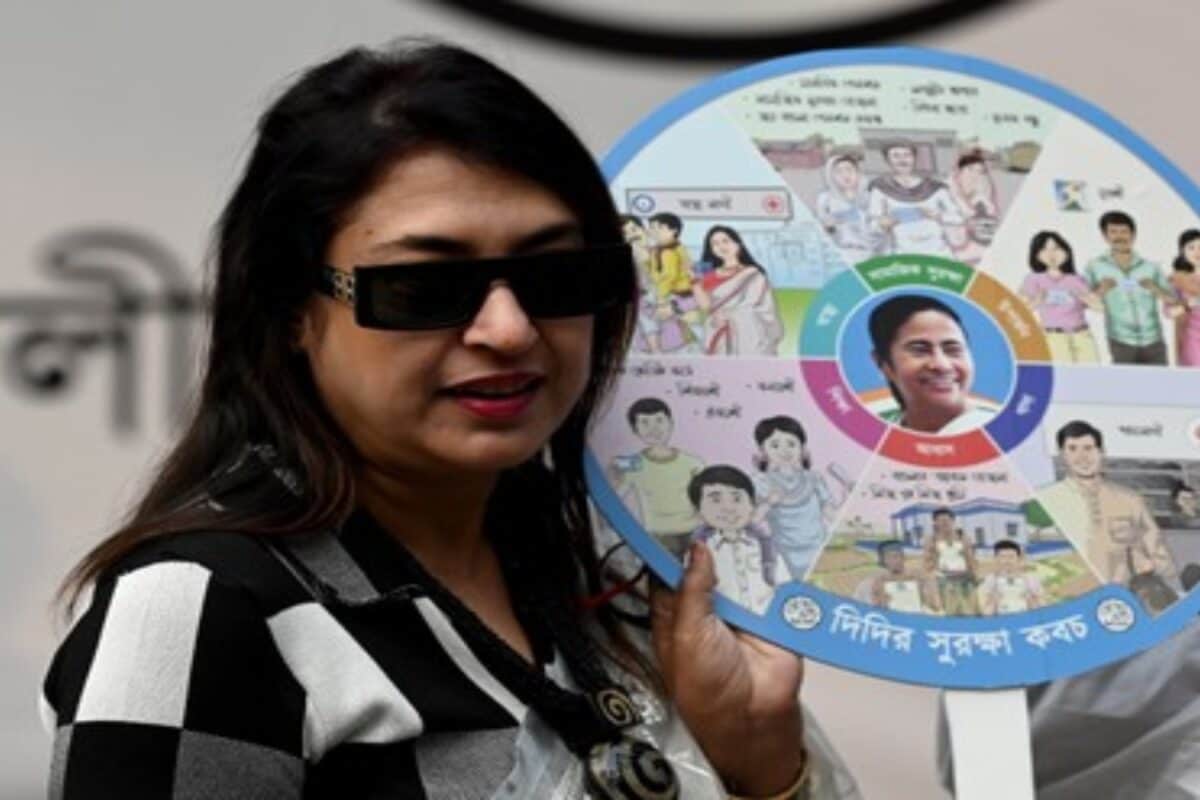
Four-time MP Satabdi Roy breaks silence on why she walked away from Mamata-led TMC, citing a lack of access to leadership and a changed party culture.
The political corridors of Kolkata are buzzing with a familiar yet stinging refrain: “Didi badal gayi thi.” For Satabdi Roy, the actor-turned-politician who has stood by Mamata Banerjee since 2009, this sentiment marks the end of a long, emotional journey. Her decision to publicly walk away from the Trinamool Congress (TMC) hasn’t happened in a vacuum; it is the latest tremor in a tectonic shift that is seeing seasoned party loyalists turn into vocal rebels against the current leadership.
A Party of ‘Selective’ Access
Roy’s departure from the party is rooted in a fundamental grievance: the closing of doors. In her interaction with the media, the four-time MP pointedly noted that the Trinamool she joined years ago feels unrecognizable today. The core of her frustration lies in the accessibility of the leadership. According to Roy, decision-making has been cornered by a small, select group, leaving experienced voices—people who have built the party’s foundation—feeling completely sidelined.
"I am leaving the party because our voices were unheard," Roy stated, underscoring that her desire to work for her constituents was being stifled by an opaque party structure. She isn't the only one feeling the heat. The ranks of the disgruntled are growing, with senior leaders like Kakoli Ghosh Dastidar and Sukhendu Sekhar Roy also voicing deep dissatisfaction, painting a picture of an organization struggling to manage its internal dynamics.
The Rebel Blueprint
The scale of this dissent is becoming impossible to ignore. Kakoli Ghosh Dastidar, now the chief whip of the rebel camp, claims that the number of dissident MPs looking for the exit has climbed to 20. This group has already moved beyond internal grumbling; they have engaged in talks with BJP leaders to offer their support to the NDA. For a party that prides itself on its grassroots connection, this formal signaling of intent to jump ship is a significant blow to the TMC’s stability.
Why it matters: The Bigger Picture
This exodus is more than just a clash of personalities; it exposes a structural crisis in the way the Trinamool functions under Mamata Banerjee. When four-time MPs and long-term associates begin to publicly critique the party, it suggests that the traditional command-and-control model is failing to accommodate the aspirations of its rank-and-file leaders.
For the TMC, the pattern is alarming. The narrative of “selective access” feeds into the opposition’s long-standing claims about the party’s internal hierarchy. If this rebellion continues to gather steam, it will not only impact the party's cohesion but also its electoral arithmetic. As the political landscape in Bengal becomes increasingly volatile, the ability of the leadership to reconcile these internal fractures will determine whether this is a manageable moment of unrest or the start of a wider organizational collapse.
World Desk at PoliticalPedia covers global affairs for an Indian audience in English and Hindi.