Dhirendra Shastri’s “Friendship Jihad” Remark Sparks Political Controversy Ahead of UP Elections
Uttar Pradesh: Dhirendra Shastri’s “Friendship Jihad” Remark Sparks Political Controversy Ahead of UP Elections
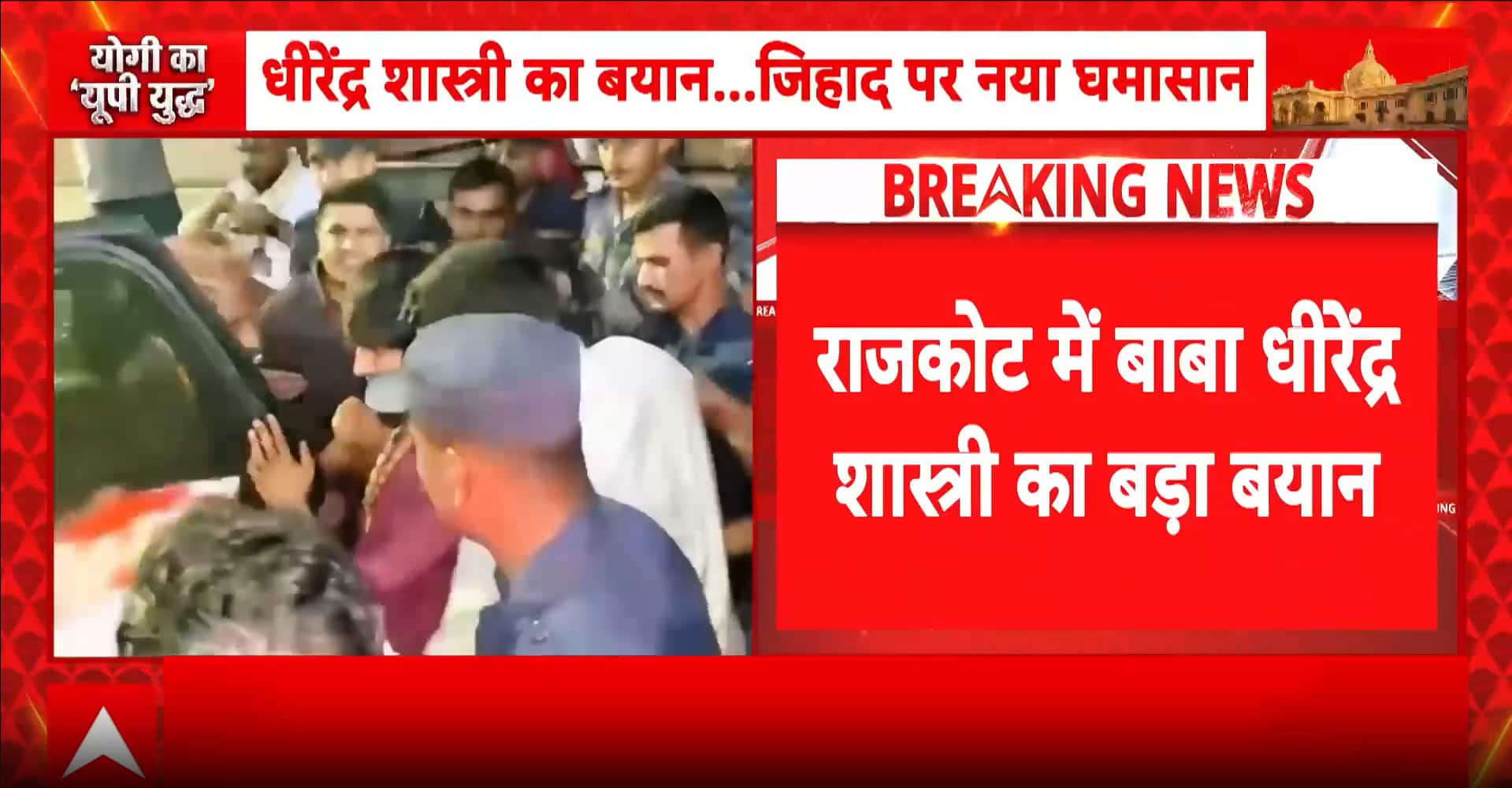
The Bageshwar Dham preacher’s latest comments on a Ghaziabad murder case have ignited a fierce debate, drawing sharp criticism from opposition leaders as the state gears up for upcoming polls.
A fresh wave of political volatility has swept through Uttar Pradesh after religious preacher Dhirendra Shastri coined the term “friendship jihad” while addressing a recent criminal investigation in Ghaziabad. During his commentary on the death of a youth named Surya Chauhan—who was allegedly killed by his acquaintances—Shastri asserted that this incident represents a calculated new strategy targeting social harmony, placing it alongside existing narratives of “love jihad” and “land jihad.”
The remark, made as the state prepares for crucial UP elections, has immediately polarized the political landscape. Shastri, who is known for his influential presence in religious circles, further advocated for “ghar wapsi” initiatives, suggesting that these shifts are part of a broader attempt to undermine traditional social fabrics. His intervention has turned a localized criminal case into a significant talking point in the state’s pre-election discourse.
Opposition Backlash and Political Tensions
Opposition parties have been swift to condemn the rhetoric, labeling the language as inflammatory and designed to create communal division for electoral gain. Leaders from across the political spectrum have argued that prominent religious figures should act as catalysts for unity rather than weaponizing tragic crimes to serve specific political narratives. By framing a criminal act through a communal lens, critics claim that Shastri is intentionally escalating social tensions.
The timing of these remarks is particularly sensitive. As political parties finalize their strategies ahead of the UP elections, the infusion of such polarizing terminology threatens to shift the focus away from governance and law-and-order issues. Observers note that when public figures equate personal tragedies with organized religious agendas, it often complicates the efforts of local administrations to maintain peace and objective investigation processes.
A Pattern of Rhetoric
This is not the first time that the intersection of religious preaching and political commentary has caused friction in the region. Shastri’s rhetoric reflects a growing trend in Indian political communication, where religious figures increasingly influence public sentiment on crime and social issues. By categorizing the Ghaziabad case as a form of “jihad,” the preacher has effectively brought national-level ideological debates down to the grassroots level of the state’s constituency.
As the political temperature rises, the impact of these statements on the electoral outcome remains to be seen. While supporters of the narrative believe it highlights genuine threats to social integrity, opponents see it as a distraction from the fundamental challenges facing Uttar Pradesh. With the election season approaching, this controversy serves as a reminder of how quickly criminal investigations can be repurposed into political weapons, further deepening the divide in an already charged atmosphere.
The PoliticalPedia Editorial Desk brings verified, sourced political news and analysis from across India.