Delhi Records Below-Normal Maximum Temperature Amid Fresh Rain Alert Today
Rain Alert Today LIVE: Delhi Records Below-Normal Maximum Temperature, Rain Predicted For Today
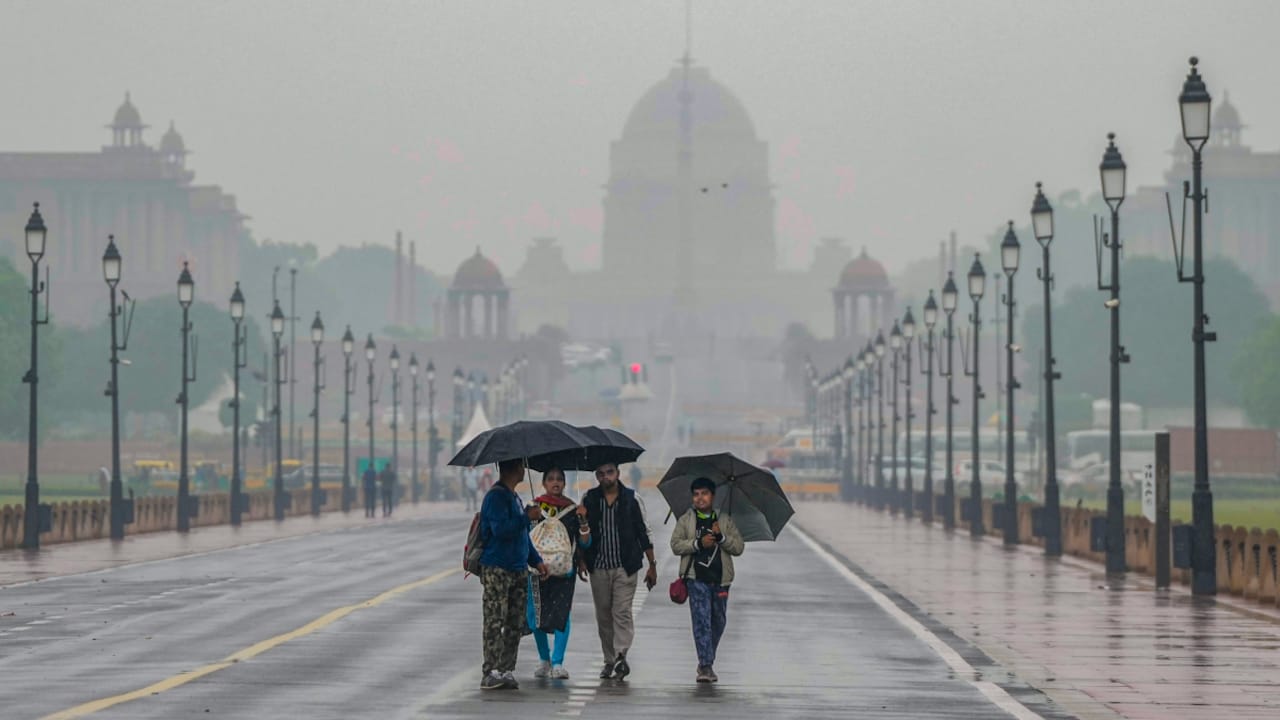
As the national capital enjoys an unusual cool spell, the IMD has issued a fresh rain alert today with forecasts of gusty winds and thunderstorms.
The typical swelter of the season has been put on hold. After a period where Delhi records below-normal maximum temperatures—marking a stark departure from the heatwave conditions seen in previous years—the city is bracing for a shift. Residents waking up to pleasant breezes can expect this trend to continue, with the India Meteorological Department (IMD) issuing a yellow alert. The forecast for today indicates that rain is predicted for today, accompanied by gusty winds that could reach speeds of up to 60 kmph.
This current spell of cooler weather is part of a broader, erratic pattern observed over the last few months. While the city experienced the coolest April day in three years, the volatility of the climate remains evident. Across the NCR, including rising searches for weather Gurugram, there is a clear demand for clarity as citizens navigate a week that oscillates between relief and the threat of severe weather events.
A National Pattern of Volatility
The weather in Delhi is not an isolated incident but part of a larger, systemic shift that the IMD has been tracking. While the capital enjoys a dip in mercury, red alerts have been issued across various other states, highlighting the extreme variance in India's current climatic landscape. From the heavy rainfall pounding parts of the country to warnings of above-normal heatwave days in the coming weeks, the forecast suggests that the transition between seasons is no longer as predictable as it once was.
Why it matters
For the economy, these weather swings carry tangible weight. Unpredictable rain patterns—ranging from the coldest mornings in years to sudden, heavy downpours—directly impact agricultural logistics and urban productivity. When cities like Delhi see such extreme deviations from the mean, it disrupts the flow of daily commerce and puts immense pressure on public infrastructure. If this "cooler" trend gives way to the predicted heat spikes by next week, the strain on power grids and water resources will intensify, forcing businesses to remain on high alert for supply chain hitches.
The Bigger Picture
We are seeing a clear intensification of the "wet-dry" cycle. The record-breaking rainfall patterns reported throughout the year, coupled with the recurring need for yellow and red alerts, point to a climate that is becoming increasingly volatile. While a drop in temperature provides temporary respite for the common man, the long-term implications for the national capital—and the country’s broader economic hubs—are serious. The frequency of these alerts suggests that we must move away from viewing weather as a seasonal background noise and start treating it as a primary factor in urban and economic planning.
Rohan Gupta covers the economy, markets and companies for PoliticalPedia.