Death by Negligence: The Mumbai Manhole Tragedy That Should Never Have Happened
Mumbai Manhole Tragedy: 60-Year-Old Dies After Falling into Open Drain; BMC Faces Questions Over Safety Lapses
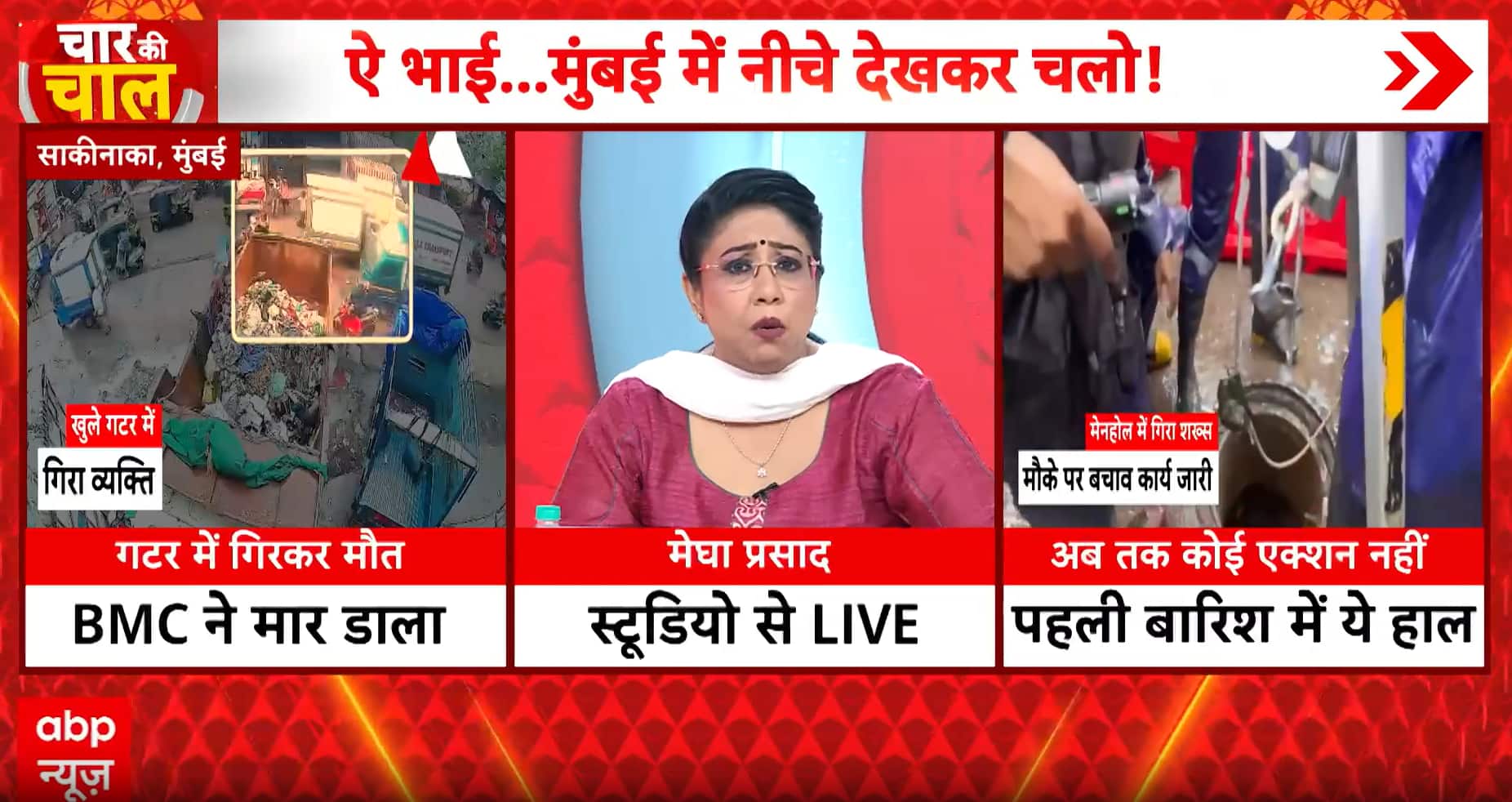
A 60-year-old’s death in an open drain has reignited the debate over civic accountability and the lethal state of monsoon infrastructure.
The rains in Mumbai are often romanticized, but for 60-year-old Aslam Sheikh, they proved fatal. Walking through the Sakinaka area, Sheikh stepped into what should have been a walkable path. Instead, he plunged into an open manhole—a lethal pit hidden entirely by the shroud of waterlogging. While rescue teams and the fire brigade were deployed immediately, the delay in identification and the nature of the hazard meant that by the time they reached him, it was too late.
BMC Faces Questions Over Safety Lapses
The grief in Sakinaka has quickly turned into simmering rage. The manhole had been left uncovered as part of ongoing drainage maintenance, yet there were no visible barricades or warning signs to alert pedestrians. For a city that prides itself on being the financial capital, the recurring spectacle of an "open drain" claiming lives is a damning indictment of basic civic management. When reporters reached out to municipal officials for answers regarding the lack of safety protocols, the silence was deafening. This refusal to engage only deepens the public’s suspicion that negligence is being shielded by bureaucratic inertia.
A Pattern of Infrastructure Failure
This isn't an isolated mishap; it is a recurring monsoon nightmare. Despite years of shifting political leadership, the systemic failure to secure construction sites remains a constant. The issue extends well beyond Mumbai’s borders. In recent days, similar lapses have been reported across the country: in Junagadh, Gujarat, two riders were injured after falling into a poorly marked roadside excavation, while a woman in Dewas, Madhya Pradesh, narrowly escaped after falling into a water-filled pit. These incidents paint a grim picture of how infrastructure projects are routinely managed with little regard for the safety of the citizens who navigate them daily.
Why it Matters: The Accountability Gap
The death of Aslam Sheikh is a stark reminder that in urban India, "development" often comes at the cost of human lives. The bigger picture here is the total lack of accountability for project supervisors. When an open manhole is left unattended, it is a failure of supervision, not just a lack of resources. If officials are not held personally and legally responsible for these lapses, the status quo will persist. The demand for transparency—such as public disclosure of how many manholes remain uncovered across the city—is the bare minimum. Without criminal accountability for those who sign off on these unsafe sites, these tragedies will continue to happen every single monsoon, leaving families to mourn victims of entirely preventable accidents.
Kabir Sharma writes on culture, technology and everyday life for PoliticalPedia.