DDA Housing Schemes 2026: Why the Deadline Extension Signals a Cooling Market
DDA flats on offer again: Who should apply, what to check before booking
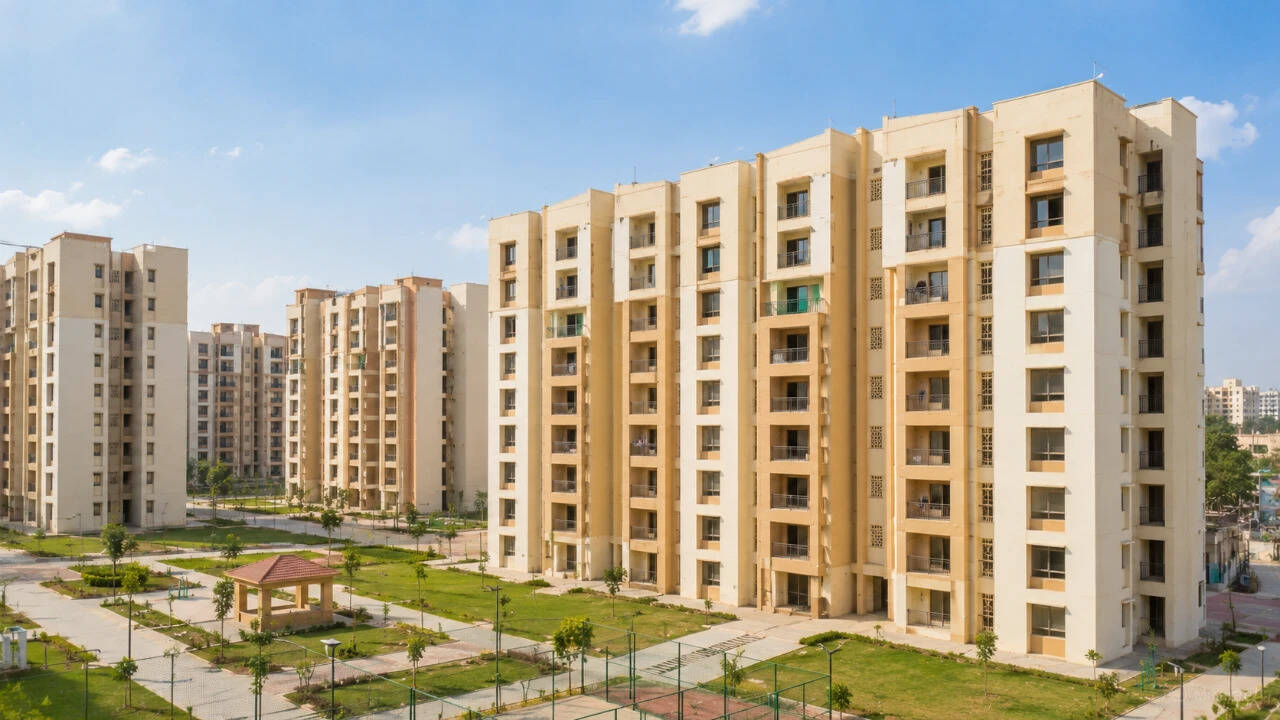
With booking windows pushed to June 30, the DDA is doubling down on its efforts to clear inventory in both its premium East Delhi projects and affordable outer-city pockets.
For years, the mere mention of a DDA housing draw would trigger a scramble of thousands of hopeful applicants. Yet, the current reality of the Delhi Development Authority’s (DDA) latest offerings tells a different story. As the authority extends its booking deadlines to June 30, it is becoming clear that even in a city starved for space, the appetite for these flats is being tested by pricing, location, and the ongoing shift in buyer preferences.
The current landscape is defined by two distinct strategies. The DDA Nagrik Awaas Yojana 2026 is the authority’s aggressive push for inclusivity, offering over 3,000 flats in Narela and Siraspur. To lure buyers, the DDA has baked in a 25% discount, hoping that the price point for EWS, LIG, MIG, and HIG categories will finally gain traction. Registration remains open on the Awaas portal for a non-refundable fee of ₹2,500, with booking amounts ranging from ₹50,000 for the economically weaker sections to ₹10 lakh for high-income groups.
The 'Towering Heights' Challenge
In contrast, the Towering Heights project in Karkardooma represents the premium side of the portfolio. Situated within Delhi’s first Transit-Oriented Development (TOD) zone, these 2-BHK units are designed for those prioritizing connectivity and modern lifestyle amenities. However, despite the prime location and the promise of transit-centric living, the project has struggled to find takers, forcing the DDA to keep the booking window open well past its original schedule.
For potential applicants, the math is straightforward but demanding. Under the Karkardooma scheme, the booking amount is fixed at ₹4 lakh. Unlike standard allotment processes, this project requires a 75% payment of the disposal cost upfront, with the remaining quarter due at the time of possession. It’s a significant capital commitment that appears to be slowing the pace of sales compared to the high-velocity, small-ticket units seen in previous years.
Why it matters
The repeated deadline extensions suggest a mismatch between the DDA’s current inventory and the specific demands of the Delhi buyer. While there is no shortage of demand for affordable housing in the national capital, buyers are becoming increasingly discerning about the 'liveability' of outer-Delhi sectors. The struggle to sell out premium units like those in Karkardooma indicates that even middle-class buyers are wary of high upfront costs in a market where private developers are also offering competitive, ready-to-move-in alternatives.
For the DDA, the "first-come, first-served" model is a transparent attempt to shed the administrative baggage of the traditional lottery system. However, the bigger picture shows that the authority is now competing in a more mature market. If these schemes don't move units by June, the DDA may have to revisit its pricing strategy or rethink how it markets the trade-off between modern infrastructure and long-term asset value in Delhi’s evolving urban landscape.
Rohan Gupta covers the economy, markets and companies for PoliticalPedia.