Data-Driven Resilience: MoSPI Secretary Signals Steady Growth Amid Global Volatility
Economic indicators point to resilient Indian economy despite global headwinds: MoSPI Secretary
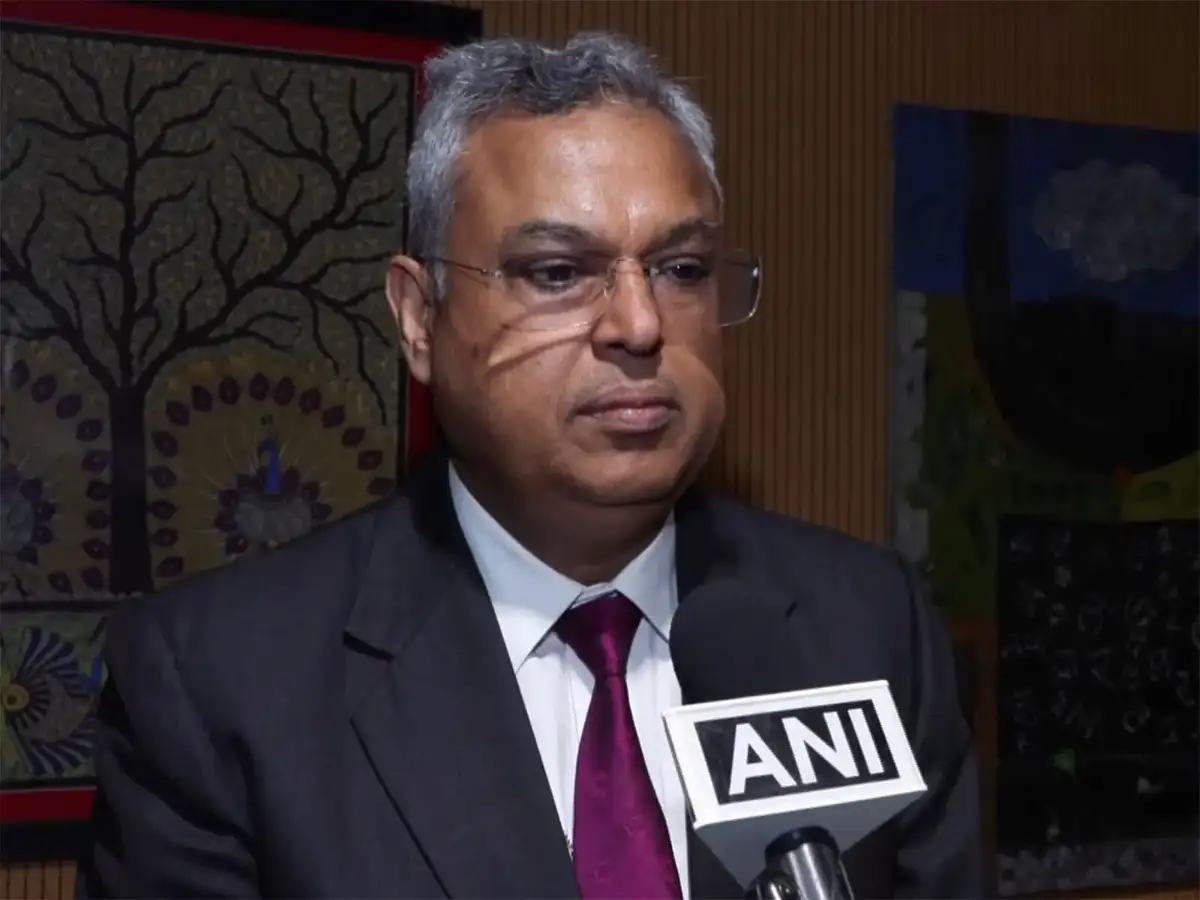
As India eyes its long-term development targets, government statisticians are leaning heavily on administrative data to track the economy’s defiance of international pressures.
New Delhi: The hum of the capital’s policy machinery is currently tuned to a singular frequency: data. On the sidelines of the 20th Statistics Day in New Delhi, MoSPI Secretary Saurabh Garg offered a measured but optimistic outlook on the state of the Indian economy. While global markets grapple with uncertainty and persistent headwinds, Garg maintained that the domestic narrative remains one of sturdy growth.
For observers tracking the pulse of the economy, the Secretary’s comments carry weight. Pointing to the recent Index of Industrial Production (IIP) figures—which clocked in at 4.9 per cent—Garg suggested that the momentum seen in the last quarter is no fluke. Even as the ministry prepares to release updated figures for May, the underlying trend across key sectors points to a resilience that has surprised many external analysts.
Leveraging the Digital Dividend
The government’s strategy is shifting from traditional surveys to a more granular approach: harnessing the massive volumes of administrative data generated by the "Digital India" push. Over the last decade, the digitization of public services has created a treasure trove of information. The mandate now, according to the MoSPI Secretary, is to clean, harmonize, and standardize this data so it can actually "speak" to different ministries.
The goal isn't just better record-keeping; it is about building the foundation for evidence-based policymaking. As the country works toward the "Viksit Bharat" vision for 2047, the reliance on machine-readable, interoperable datasets is expected to replace guesswork with precision, allowing the government to react faster to shifting global conditions.
Why it matters
This push for data integration is more than a bureaucratic exercise; it is the backbone of India’s fiscal and developmental strategy. By ensuring that datasets from various departments are synchronized, the state can identify bottlenecks in production or consumption long before they show up in lagging indicators.
If the economy continues to withstand global headwinds as the MoSPI Secretary suggests, it will likely be because the state has become significantly better at reading its own metrics. The bigger picture here is a move toward a more predictable, data-backed governance model. For investors and citizens alike, this signifies a pivot where the "Viksit Bharat" roadmap is no longer just a political aspiration, but a target managed through real-time administrative oversight.
Priya Nair covers parties, elections and the business of power for PoliticalPedia.