Daichi Kamada and a Japanese masterclass: How a late strike defined a World Cup classic
How Kamada became Japan’s unlikely hero in World Cup classic vs Netherlands
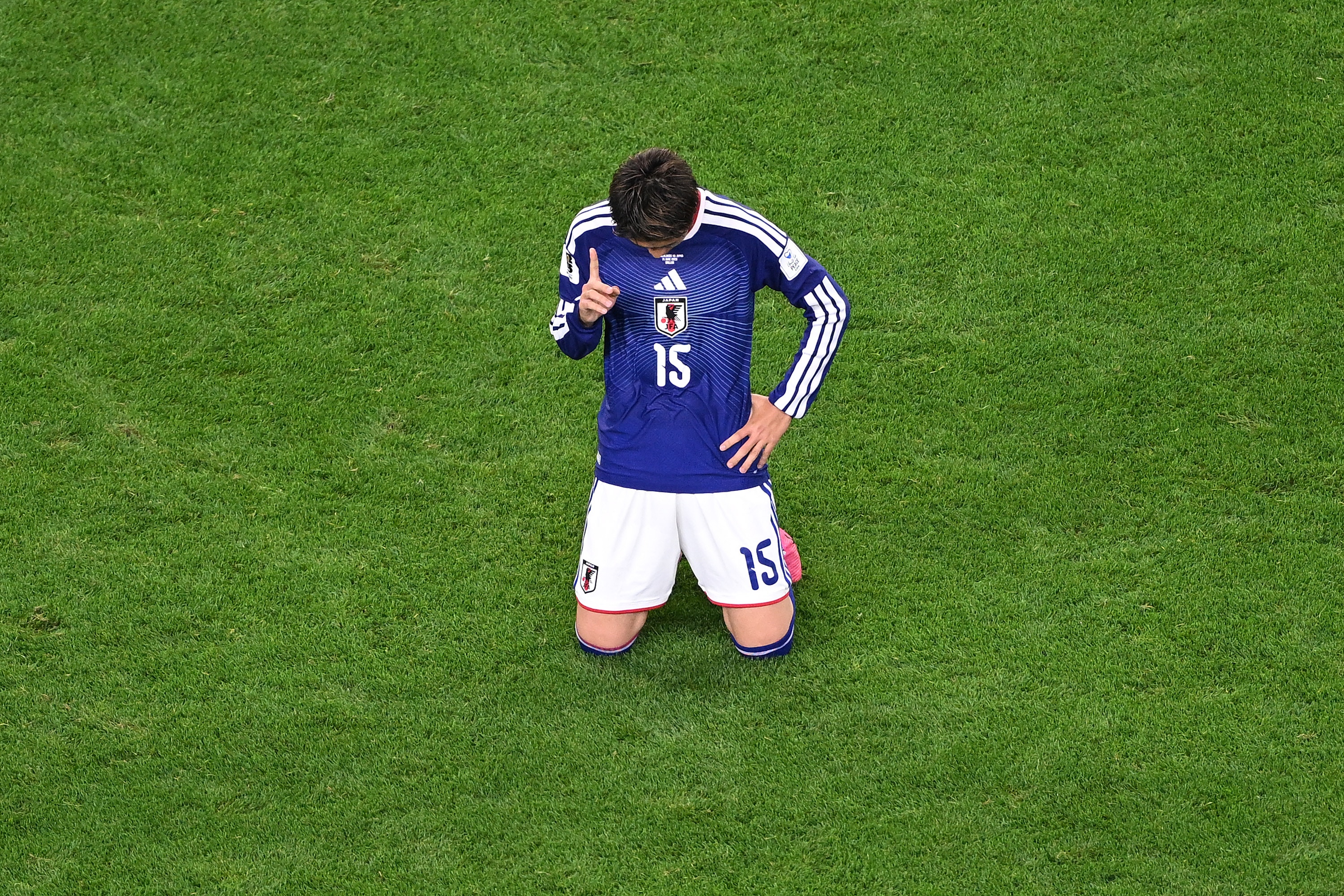
In a pulsating 2-2 draw against the Netherlands, Japan proved they are no longer just tournament participants, but a genuine force to be reckoned with.
The ball brushed Daichi Kamada’s forehead in the 88th minute, looping beyond the reach of Dutch goalkeeper Bart Verbruggen and into the net. It was a chaotic, almost accidental finish to a match that had been defined by high-level tactical precision. For Kamada, a player who built his reputation in the Bundesliga with Eintracht Frankfurt, the goal was a quiet personal triumph. While stars like Takefusa Kubo often grab the headlines, Kamada’s career has followed a different path—understated, highly intelligent, and increasingly vital to the modern Japanese setup.
The Dallas crowd witnessed one of the most compelling matches of the World Cup’s opening week, as Japan twice clawed their way back from deficits to hold the Netherlands to a 2-2 draw. The Dutch, perennial chasers of a title that has slipped through their fingers for decades, looked sharp, but Japan proved equally ambitious. This was a clash of styles: the Dutch controlled possession for long stretches, while Japan remained compact, disciplined, and lethally patient in transition.
The wall in front of the net
For the first 45 minutes, caution was the primary tactic for both sides. The Netherlands kept their shape, wary of the pace Japan possesses on the counter, leaving the heaviest lifting to the men in the box. Zion Suzuki, Japan’s goalkeeper, was undoubtedly the busiest man on the pitch. Born in the United States to a Ghanaian father and Japanese mother, Suzuki’s performance against a star-studded Dutch attack—featuring Virgil van Dijk and Cody Gakpo—was nothing short of exceptional. He commanded his area with authority, denying Donyell Malen and reacting with lightning speed to a series of powerful headers.
Why it matters
This draw is a significant marker for the evolution of the game. For years, Asian football was viewed through the prism of grit and work rate. Today, players like Kamada represent a shift toward technical sophistication and European-level tactical awareness. By holding a team as pedigree-rich as the Netherlands, Japan is signaling that their pursuit of a first quarter-final berth is not just a dream, but a realistic expectation. The pattern is clear: the gap between the traditional European powerhouses and the emerging Asian standard-bearers is closing rapidly.
The match ultimately proved that both nations have the depth to go deep into this tournament. As for the surrounding noise, while names like Yasin Ayari might be trending in football circles, the focus in Dallas was firmly on the pitch. Japan walked away with a point that felt like a win, having demonstrated that they can not only compete with the world's elite but out-think them when the pressure is at its absolute peak.
Arjun Mehta reports on government, policy and Parliament for PoliticalPedia, in English and Hindi.