Cracking the Code: The Logic Behind the Ujjwala Gas Subsidy Cut
What's Behind The Ujjwala Gas Subsidy Cut? Govt Points To LPG Diversion Racket
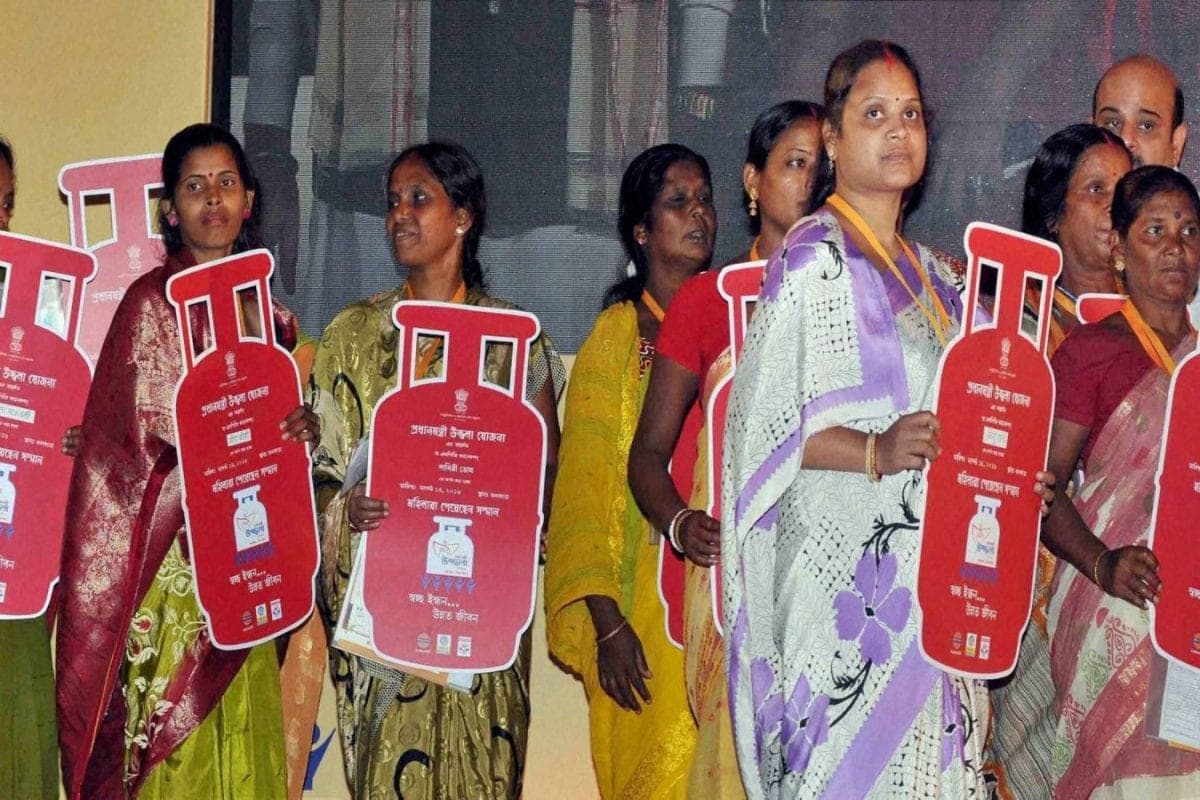
The Centre has capped subsidised LPG refills for Ujjwala beneficiaries at four per year, citing a need to curb systemic leaks and commercial misuse.
For millions of households under the Pradhan Mantri Ujjwala Yojana, the kitchen fire is a symbol of energy security. However, that security is undergoing a structural shift. The government has confirmed a move to restrict the number of subsidised LPG refills to four annually, down from the previous limit of nine. While this policy change has sparked immediate discussion, the rationale offered by the administration points to a quiet, ongoing battle against a sprawling diversion racket.
Plugging the Leaks
Government officials are framing this subsidy cut as a pragmatic response to data-driven insights. Investigations into the distribution network allegedly uncovered a pattern where subsidised cylinders were being siphoned off for commercial use. According to these findings, unscrupulous elements were exploiting the nine-refill quota to claim benefits in the names of genuine Ujjwala beneficiaries, only to divert the stock to the black market.
By narrowing the subsidy to four refills, the government aims to tighten the fiscal tap. Officials point out that the decision wasn't pulled from thin air; it aligns with the average actual usage patterns recorded among beneficiaries. The logic is simple: if the average household consumes four cylinders, providing a subsidy for nine effectively creates a surplus that invites exploitation by middlemen.
The Consumer Impact
It is important to clarify that this move is not a total withdrawal of support. The government has been quick to note that Ujjwala beneficiaries remain free to purchase as many cylinders as they require throughout the year. The change is purely financial, not a restriction on supply. While the subsidy will be credited to bank accounts for only the first four refills, the market price will apply to any additional cylinders purchased thereafter.
Why It Matters
This shift reflects a broader pattern in how the Centre is recalibrating its welfare architecture. We are seeing a concerted move away from broad-based subsidies toward a "targeted-efficiency" model. By identifying the diversion racket as the primary culprit for the subsidy drain, the government is signalling a shift in focus from mere expansion of coverage to the protection of existing systems.
For the administration, the challenge lies in balancing fiscal prudence with the necessity of keeping clean cooking fuel affordable. As the system moves toward this more surgical approach, the success of the policy will hinge on whether this reduction effectively kills the diversion market or merely creates new pressures on the very households the scheme was designed to uplift.
National Affairs Desk at PoliticalPedia covers government & policy for an Indian audience in English and Hindi.