China’s Sixth-Generation Leap Puts India’s Fighter Jet Strategy at a Crossroads
India may have lost a key sixth-gen fighter option as China races ahead with flying prototypes
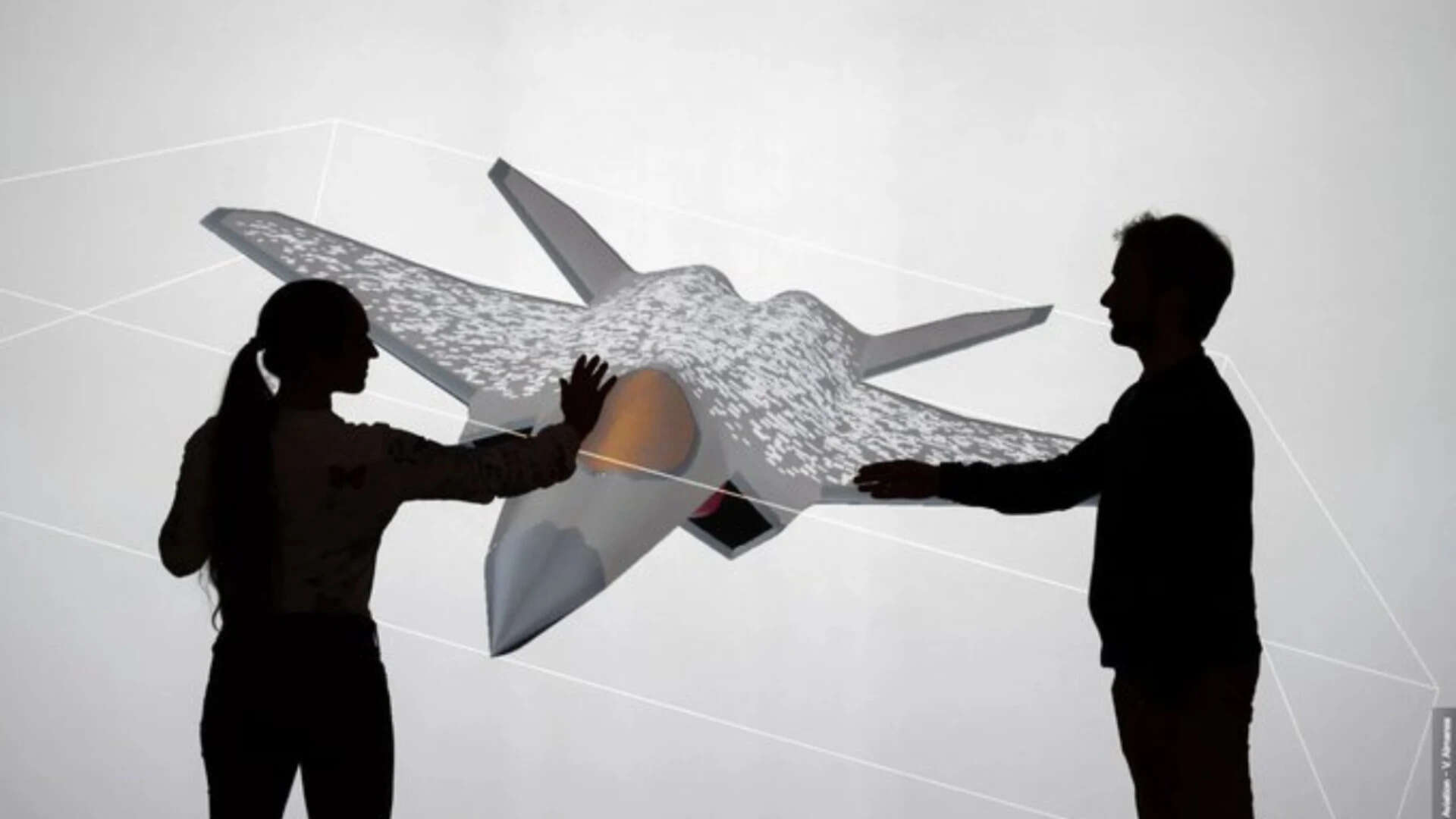
As European collaboration programs face internal fracture, India’s quest for next-generation air dominance hits a critical speed bump while regional competitors pull ahead.
The race for the skies is moving faster than New Delhi’s procurement cycles. For months, the Indian establishment has been closely tracking two European consortia—the Franco-German-Spanish Future Combat Air System (FCAS) and the UK-Japan-Italy Global Combat Air Programme (GCAP)—as potential partners for India’s ambitious sixth-generation fighter aircraft journey. But that roadmap has hit turbulence. Reports indicate that the FCAS programme, once a beacon of continental aerospace integration, is struggling with internal divisions that could see France and Germany parting ways. For India, which is already grappling with a depleted squadron strength, this uncertainty is a strategic setback.
The Shrinking Window of Opportunity
General Anil Chauhan, the Chief of Defence Staff, had earlier articulated a clear vision: to prevent the Indian Air Force (IAF) from falling behind, the country would look to associate with either the GCAP or FCAS consortia. The goal was to secure access to technology that goes far beyond today’s fifth-generation capabilities. These sixth-generation platforms promise a leap in warfare: all-aspect stealth, digital-first engineering, variable-cycle engines for superior performance, and the integration of directed-energy weapons. More importantly, these jets are envisioned as nodes in a network, capable of controlling autonomous "loyal wingman" drones to dominate high-intensity, multi-domain battles.
While India weighs its options, the geopolitical ground is shifting. China is not waiting for consensus; the People’s Liberation Army is already testing flying prototypes like the J-36 and J-50. With the J-20 and J-35 already operational, Beijing is rapidly closing the technology gap, creating a scenario where India’s regional rivals might achieve next-gen status while the IAF is still refining its AMCA (Advanced Medium Combat Aircraft) roadmap. The current reality is sobering: the IAF operates roughly 29 squadrons against an authorized requirement of 42, and delays in current indigenous projects only heighten the pressure to look outward for a technological shortcut.
Why it Matters: The Bigger Picture
This is more than a simple procurement delay; it is a test of India’s long-term aerospace autonomy. The push for a sixth-generation jet is driven by the urgent need to maintain a credible deterrent against two-front threats. If India misses the window to join a major international consortium, it risks being forced to play catch-up with proprietary, indigenous technology that—while necessary—faces the constant risk of engine supply chain bottlenecks and developmental lags. The unfolding crisis in the European FCAS project serves as a stark reminder that international collaborations are as much about diplomatic and industrial harmony as they are about engineering. India must now decide whether to hedge its bets on the remaining GCAP framework or accelerate the AMCA Mark-2 development with domestic engine breakthroughs to ensure it isn't left standing on the tarmac.
Balancing Autonomy and Speed
The DRDO is currently pushing ahead with the AMCA programme, bifurcated into Mark-1 and the more advanced Mark-2. While the Mark-1 is slated to address immediate fleet shortages, the Mark-2 is expected to incorporate the combat features of a sixth-gen aircraft. However, the path is fraught with complexity. Whether it is through partnering with firms like Safran, Rolls-Royce, or GE for engine technology, or betting on a consortium, the IAF’s transition to a network-centric model depends entirely on its ability to integrate these futuristic systems before 2035. As the global landscape for fighters evolves, the decision on which path to take will define India's aerial supremacy for the next half-century.
Rohan Gupta covers the economy, markets and companies for PoliticalPedia.