Can Two People In The Same Family Have Separate Gas Cylinder Connections? LPG Rules Explained
Can Two People In The Same Family Have Separate Gas Cylinder Connections? LPG Rules Explained
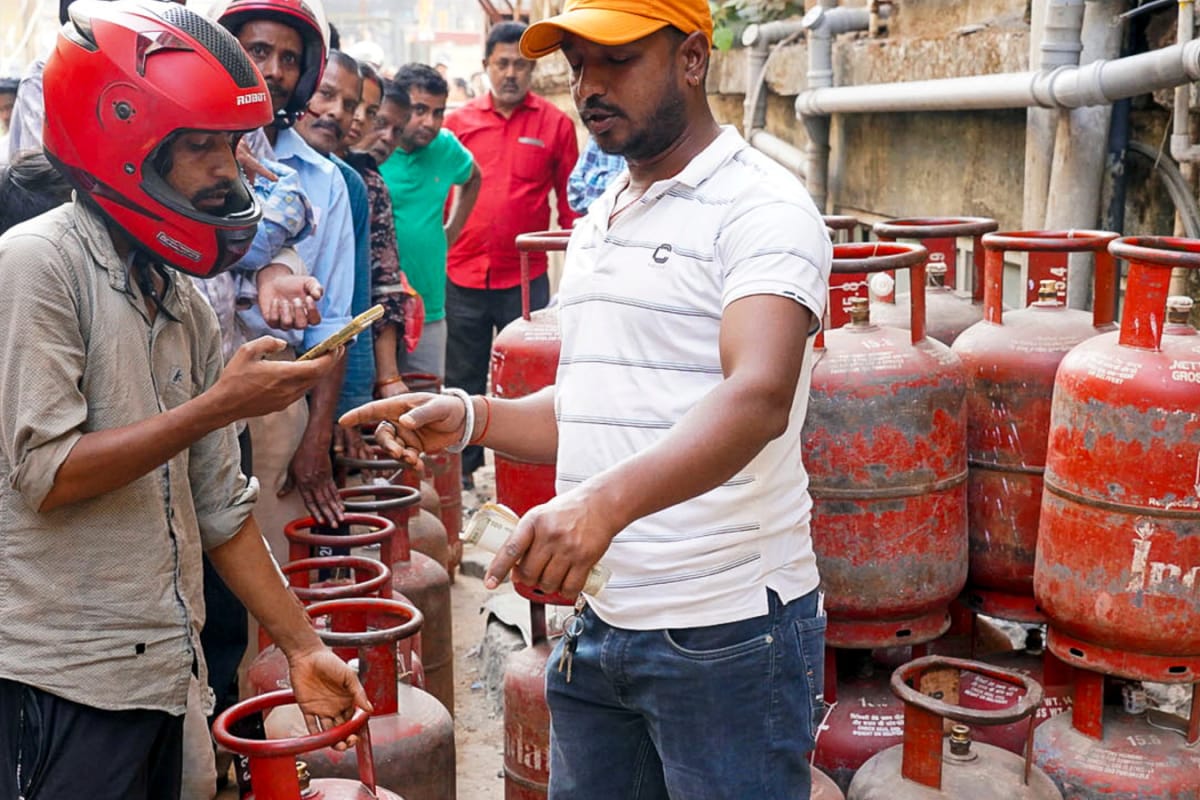
New government regulations clarify the eligibility for multiple LPG connections to ensure equitable fuel distribution across Indian households.
For many Indian families living in extended setups, the question of whether they can maintain separate LPG accounts has long been a source of confusion. With recent updates to the Liquefied Petroleum Gas (Supply and Distribution Regulation) Amendment Order, the government has provided much-needed clarity. The core principle remains firm: if a family shares a single kitchen, they are entitled to only one LPG connection.
Defining the "One Household" Rule
Under the revised rules, the definition of a household is tied to the kitchen. Whether you have married children or dependent parents living under the same roof, if the cooking happens in a common space, multiple connections are not permitted. If authorities detect duplicate connections linked to one kitchen, the consumer will likely be asked to surrender the excess accounts. To manage higher consumption, the government encourages households to opt for a Double Bottle Connection (DBC), which allows two cylinders to be managed under a single, legitimate account.
However, there is a clear exception. If two separate and independent families reside on the same property and maintain distinct, independent kitchens, they can apply for separate connections. Approval for these cases isn't automatic; it requires a formal verification process involving KYC documentation, proof of address, and a mandatory field inspection by the local LPG distributor to confirm the separation of living arrangements.
The Shift Toward PNG
The government is also pushing for a transition to Piped Natural Gas (PNG) where infrastructure permits. The 2026 amendment mandates that those who obtain a PNG connection have a 30-day window to surrender their existing LPG connection. For families relocating for jobs, education, or migration, the rules now offer more flexibility, including provisions for a transfer voucher if moving to a region without PNG access. This is designed to reduce the administrative burden on students, tenants, and migrant workers who frequently shift cities.
Why it matters
This tightening of regulations is less about bureaucracy and more about energy equity. By preventing the hoarding of multiple LPG connections in a single household, the government aims to ensure that cooking fuel reaches those who genuinely need it. For rural and semi-urban areas, where the "one household, one connection" rule is critical, this ensures a more consistent supply chain. While these rules might require some families to consolidate their paperwork, the move is a structural attempt to formalize energy distribution and prioritize universal access over individual convenience.
Ananya Iyer covers global affairs with an Indian lens for PoliticalPedia.