Bridging a Decades-Old Divide: J&K Government Eyes Revival of Apex Panel for Kashmiri Pandits
J&K CM's advisor calls for revival of panel to oversee Kashmiri Pandits' return, rehabilitation
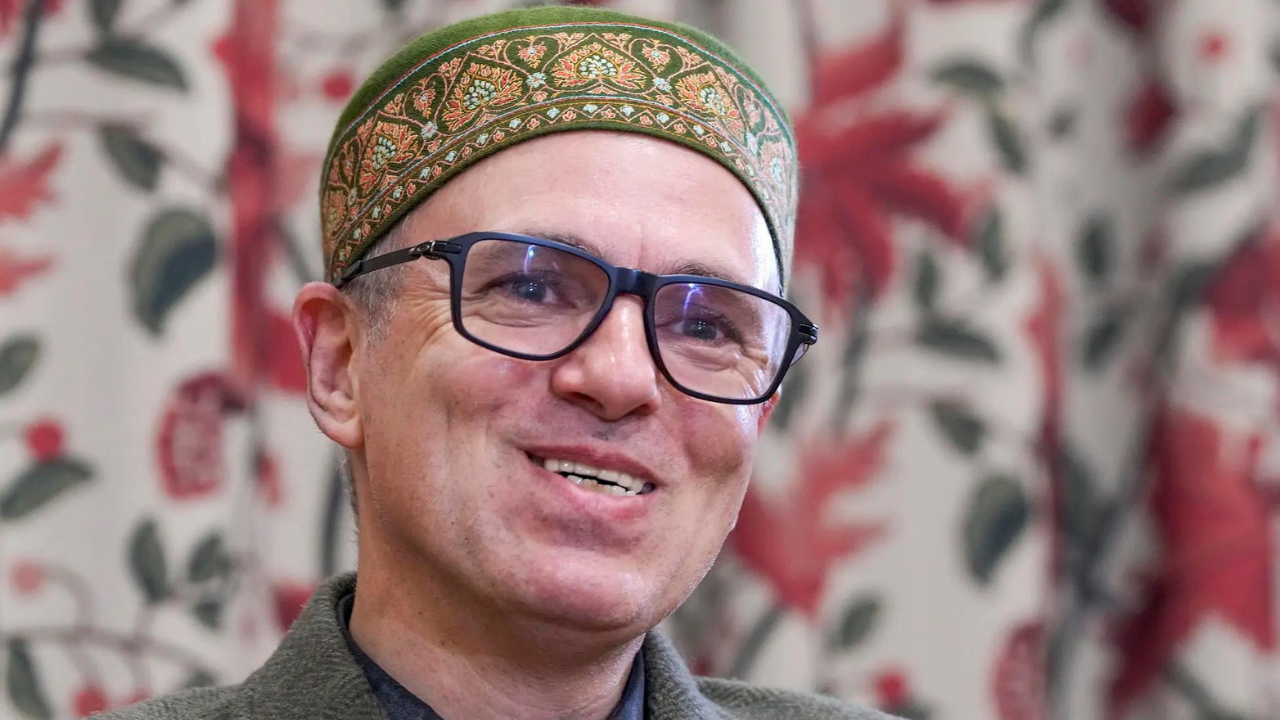
Nasir Aslam Wani, advisor to CM Omar Abdullah, signals a fresh push for the structured return and rehabilitation of the displaced community.
The haunting silence left by the 1990 exodus of Kashmiri Pandits remains one of the most significant wounds in the valley’s social fabric. Now, a renewed effort to mend this fracture is taking shape in Srinagar. Nasir Aslam Wani, a key advisor to Chief Minister Omar Abdullah, has called for the immediate revival of the apex committee originally formed in 2009 to oversee the safe return and rehabilitation of the displaced community.
Addressing a gathering of Kashmiri Pandits living overseas, Wani underscored that the task of reintegration cannot be a solo administrative exercise. The original body, which was disbanded in 2014, functioned as a bridge between the government and various community organizations. By proposing its restoration, the government aims to create a dedicated roadmap that moves beyond symbolic gestures and into tangible, monitored policy implementation.
Moving Beyond the 1990 Storm
Wani’s appeal comes with a nuanced acknowledgment of the state’s history. He pointed out that the militancy that erupted in 1990 devastated both the Pandits and the local Muslim population. By framing the tragedy as a shared trauma, the advisor is attempting to shift the narrative toward a collective reconciliation. "This valley of saints is incomplete till Pandits return," he said, emphasizing that the political landscape has undergone significant shifts since the state’s 1947 accession, and that sweeping generalizations about the past often obscure the goodwill that still exists between the communities.
The roadmap, as envisioned by the government, involves a collaborative approach. Wani confirmed that the administration plans to approach both the Chief Minister and the Lieutenant Governor to formalize the committee. The objective is to move away from isolated rehabilitation projects—such as transit camps or temporary accommodation packages—and toward a sustained, high-level dialogue that ensures the dignity of those returning to their homeland.
Why it Matters: The Bigger Picture
The push to revive this panel is more than just a bureaucratic reshuffle; it is a signal of the current administration’s intent to address long-standing grievances in a post-Article 370 landscape. For the Kashmir government, successfully facilitating the return of the Kashmiri diaspora is a litmus test for regional stability and secular governance.
The challenge lies in the "middle ground." While the government acknowledges that certain factions remain opposed to peace, the strategy seems to be focused on empowering moderate voices on both sides to lead the transition. If the committee is successfully reconstituted, it could provide a formalized platform for the community to voice their requirements—from security concerns to economic integration—directly to the power centers in Srinagar and New Delhi. Whether this leads to a substantial homecoming or remains a symbolic policy attempt, the move marks a pivotal shift in how the state is choosing to engage with its most painful chapter.
Rohan Gupta covers the economy, markets and companies for PoliticalPedia.