Beyond TMC Rebellion: Inside the Bureaucracy’s Quiet De-Trinamoolisation
Beyond TMC Rebellion: Bengal’s Bureaucracy Begins Its Quiet ‘De-Trinamoolisation’
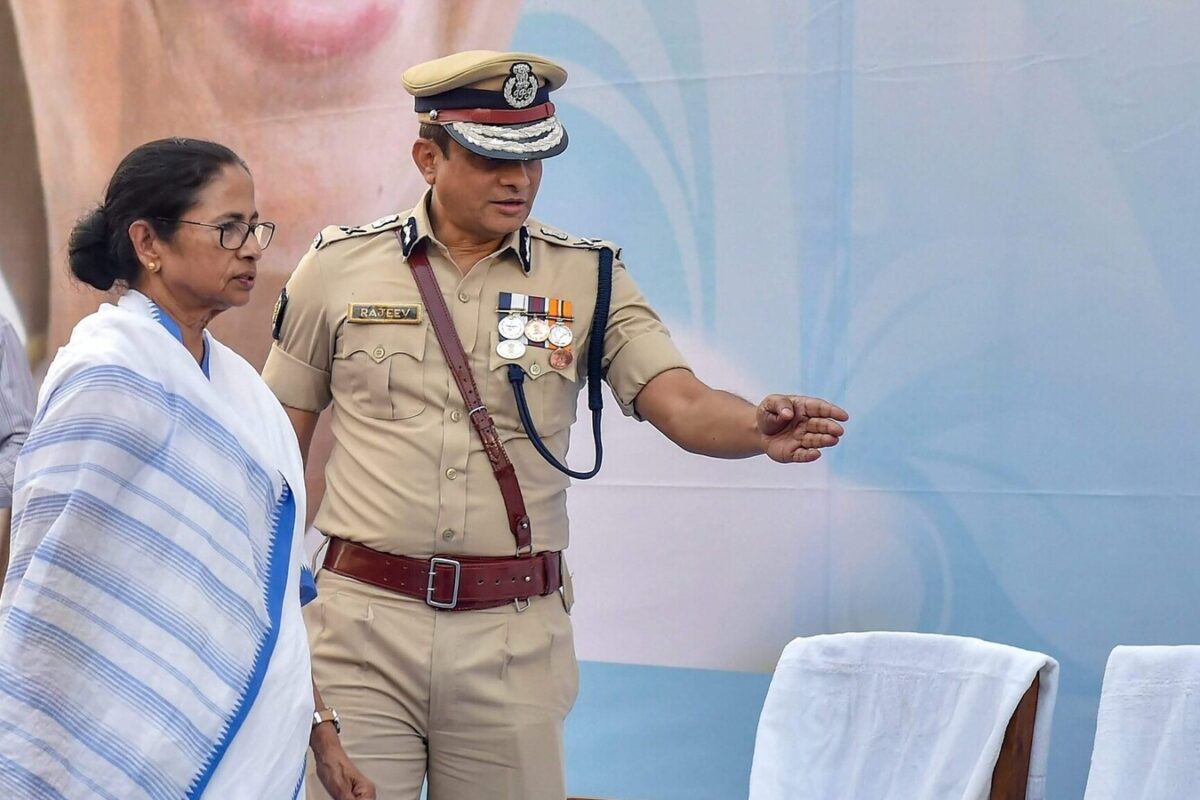
While the political headlines focus on high-profile defections, a shift in West Bengal’s administrative corridors suggests a deeper, more structural transition within the state’s power apparatus.
The chaos at the party office is the story everyone is watching. From the high-profile exits of MPs and MLAs to the bitter infighting that spills onto our television screens, the Trinamool Congress (TMC) is undeniably grappling with a public exodus. But if you walk the silent, polished hallways of Nabanna, the state secretariat, you find a different reality. The real story isn't the shouting match in front of the cameras; it is the quiet, methodical recalibration of the state's bureaucracy. This is where the beyond tmc rebellion narrative takes a sharper, more permanent turn.
The Shift in the Ranks
The most telling indicator of this bengal bureaucracy begins its quiet transformation lies in the fate of those who were once considered immovable pillars of the Mamata Banerjee government. Consider the case of the senior IPS officer who, until earlier this year, was at the very heart of the Kolkata Police leadership. Handpicked by the Chief Minister herself, he has now been shifted to oversee the Criminal Investigation Department (CID). In a move that would have been unthinkable a year ago, he is now leading a probe into an alleged signature forgery case that has seen investigators raiding locations linked to the party, and even residences associated with the leadership.
This isn't an isolated incident. The pattern of distance is becoming visible across the board. Take the curious case of Rajeev Kumar, once the quintessential Mamata loyalist. The man for whom the Chief Minister famously sat on a dharna against central agencies, the officer she elevated to DGP and later sent to the Rajya Sabha, has effectively vanished from the public eye. His silence and current absence from the state’s political maneuvering signal that the old guard isn't just retiring; it is being sidelined by the shifting tides of the administration.
Why it Matters
This administrative churn is far more significant than any single politician jumping ship. When the bureaucracy stops shielding a party, it usually signals that the political winds have shifted fundamentally. The de-trinamoolisation underway isn't just about personnel changes; it is about the state machinery preparing for a new reality. If the officers who were the face of the government’s muscle are now the ones investigating its offices, it suggests that the iron-clad hold the party once exercised over the civil services is fracturing.
For the administration, the challenge now is managing this transition without causing a total collapse of governance. For the public, it means that the influence of the party—once omnipresent in every district and department—is becoming increasingly porous. We aren't just seeing a change of guard; we are witnessing the institutional loosening of a grip that has held Bengal for over a decade. Whether this leads to a new era of neutral governance or simply a different set of loyalties remains to be seen, but the party influence that defined the last decade is clearly on the wane.
Kabir Sharma writes on culture, technology and everyday life for PoliticalPedia.