Beyond the TRP Trap: Radikaa Sarathkumar Demands Dignity in Death
Radikaa Sarathkumar slams ‘circus’ after Bhagyaraj’s death: ‘Give dignity to dead’
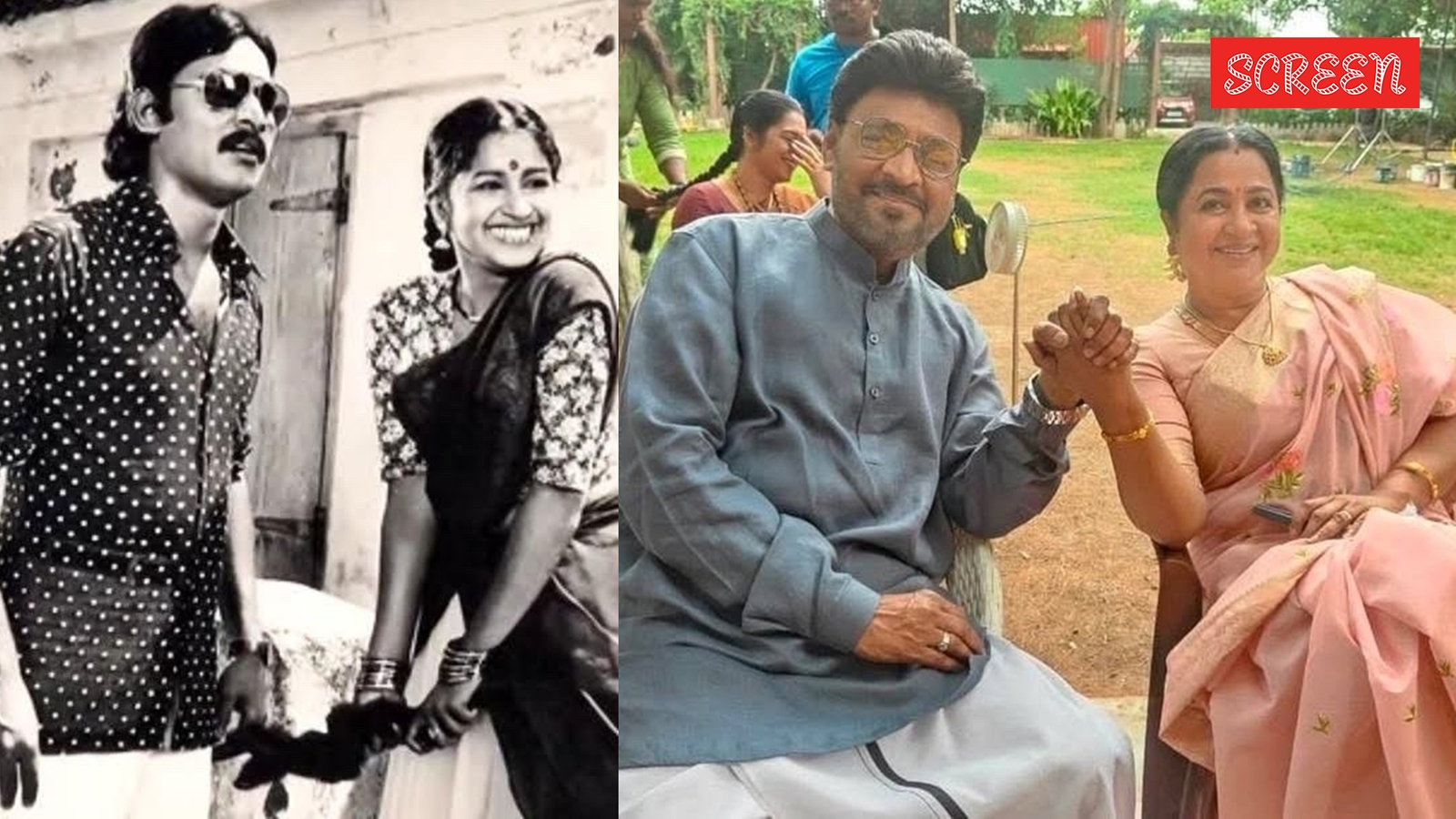
The veteran actress has called for urgent industry protocols after the chaotic scenes surrounding the final rites of filmmaker Bhagyaraj.
The sight of an ambulance struggling to navigate a sea of camera lenses and microphones is, unfortunately, becoming a familiar feature of celebrity mourning in India. However, the intensity of the scene outside the residence of the late K. Bhagyaraj proved to be a breaking point. As the veteran filmmaker’s mortal remains arrived on Saturday, the crush of media crews threatened to overwhelm his grieving family, prompting an emotional and visceral intervention from actress Radikaa Sarathkumar.
Known for her long-standing professional and personal bond with the filmmaker, Radikaa was seen in tears as she physically confronted the gathering, pleading for the most basic of human decencies. Her message was as sharp as it was desperate: "Cinema is our life. But a human life is different. If you want TRP, we will act in a film for you. Please give them space."
A Call for Institutional Change
The frustration did not dissipate once the initial funeral rites concluded. By Monday, Radikaa took to social media to amplify her critique, labelling the spectacle that unfolded outside the Bhagyaraj home as nothing short of a "circus." Reflecting on a 50-year friendship, she lamented how a moment meant for silent mourning had been hijacked by a callous scramble for coverage.
Her post was more than just a personal vent; it was a demand for structural reform. She has called upon both the government and film industry bodies to establish clear, enforceable protocols for how the media interacts with families of the deceased. The goal is to move away from the current free-for-all environment toward a system of collective management that prioritises the dignity of the departed soul over the race for headlines.
Why it Matters
This incident highlights a growing friction between the 24/7 news cycle and the fundamental right to grief. While the public's interest in a beloved creator like Bhagyaraj—a man who drew such "wonderful" boundaries in cinema—is understandable, the transition from public figure to private sorrow is a line that is increasingly being blurred.
When the machinery of news gathering physically obstructs the mourning process, it ceases to be journalism and starts to mimic the very "circus" Radikaa warned against. The industry now faces a reckoning: without a unified code of conduct or designated media zones at high-profile funerals, the cycle of intrusion is likely to continue. True respect for a legend’s legacy may ultimately depend on the media's ability to know when to put the camera down and simply say goodbye.
Ananya Iyer covers global affairs with an Indian lens for PoliticalPedia.