Beyond the Surface: Why Bobby Deol’s Bandar Struggles with Cinematic Ethics
Bobby Deol’s Bandar remains captive to its own parochial provocations
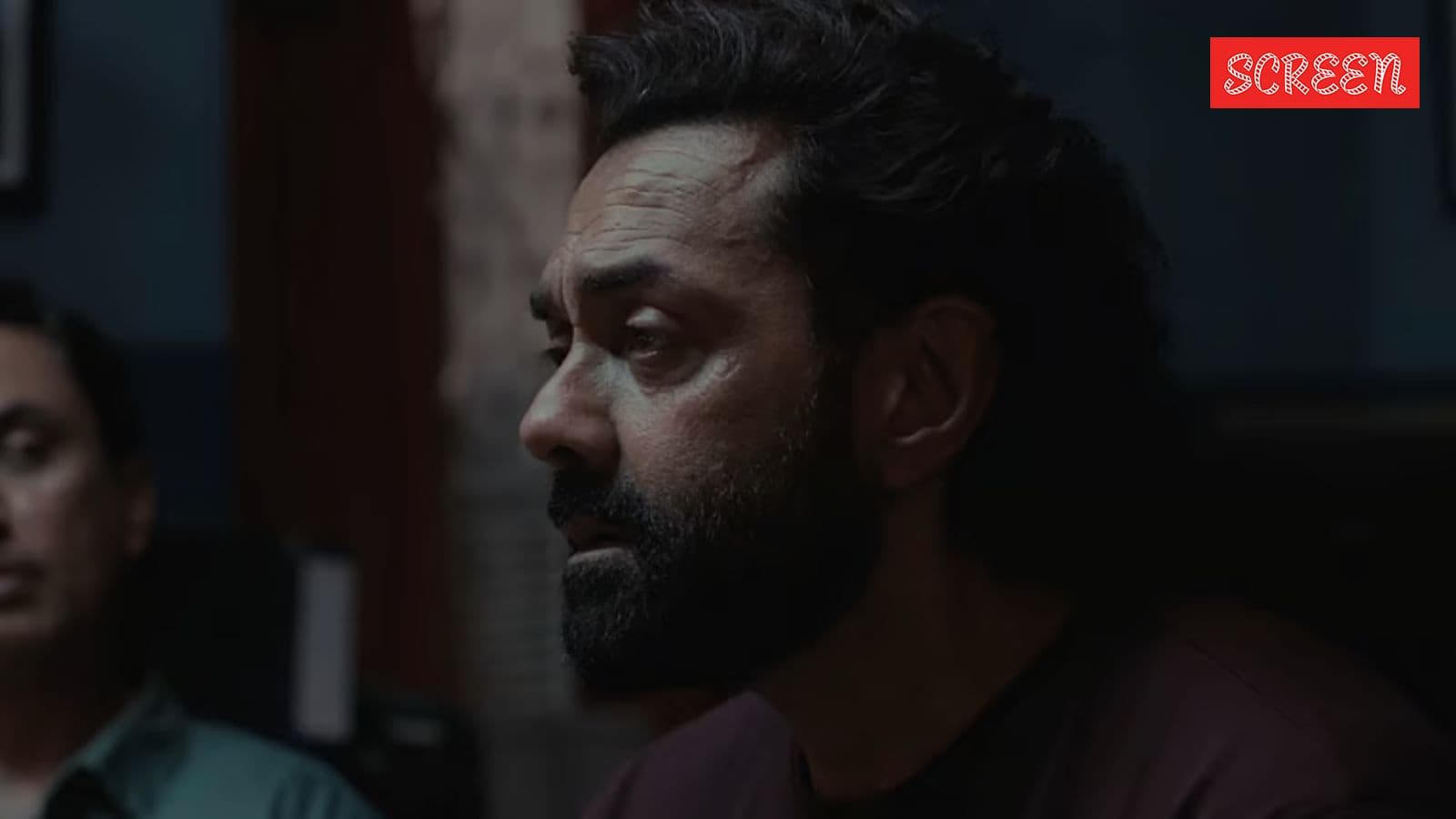
Anas Arif examines the tension between commercial ambition and narrative responsibility in the latest project.
The landscape of Indian cinema is currently grappling with a recurring dilemma: how to balance mass-market appeal with the ethical responsibilities of storytelling. In his latest critical deconstruction, Anas Arif, the seasoned entertainment journalist and cinematic analyst at The Indian Express, turns his focus toward Bandar, a project starring Bobby Deol that has sparked significant debate. Arif, known for his "Journalism of Courage," argues that the film remains tethered to parochial provocations, failing to elevate its narrative beyond surface-level tropes.
A Question of Industrial Ethics
For an industry that frequently leans on star power, the reception of Bandar highlights a growing rift between what audiences consume and what critics demand. Arif suggests that the film serves as a case study for the industrial ethics prevalent in modern Bollywood. By interrogating the creative choices behind the project, the analysis posits that the reliance on regressive subtexts—rather than robust character development—ultimately undermines the film’s artistic potential. This critique aligns with Arif’s broader body of work, which consistently challenges how mainstream scripts marginalize communities in favor of commercial gain.
Deconstructing the Craft
The critique goes beyond a standard review, employing a method of cinematic deconstruction that Arif has honed over years of interviewing filmmakers like Anurag Kashyap and Vikramaditya Motwane. By examining the structural rhythm and narrative intent of Bandar, the report questions why such a high-profile production would opt for divisive messaging. Arif’s perspective as a host of Cult Comebacks provides a unique lens here; he often differentiates between films that fail due to poor execution and those that fail due to a fundamental disconnect with contemporary social values.
The Role of the Auteur in Mainstream Cinema
In a climate where Indian cinema is under pressure to evolve, the performance and thematic choices in Bandar are particularly telling. Arif’s analysis suggests that when a film relies on parochial provocations, it reveals a lack of ambition at the auteur level. By contrasting this with the work of filmmakers who prioritize authentic storytelling, the piece underscores a vital point: the responsibility of an actor and a director extends beyond box office revenue. It is about the cultural legacy a work leaves behind.
Why the Dialogue Matters
The discourse surrounding Bobby Deol’s latest outing is not merely about one film; it is a reflection of a broader shift in how the Indian public engages with pop culture. As journalists like Arif continue to bridge the gap between celebrity-driven PR and critical theory, the audience is increasingly invited to look at cinema as a work of art rather than a simple commodity. For those invested in the future of Indian storytelling, the failure of Bandar to transcend its limited perspective serves as a stark reminder that the industry must reconsider the messages it chooses to amplify.
The PoliticalPedia Editorial Desk brings verified, sourced political news and analysis from across India.