Beyond the Status Quo: Gujarat’s New Industrial Policy 2026 Set for June Unveil
Gujarat govt to unveil New Industrial Policy 2026 on June 15
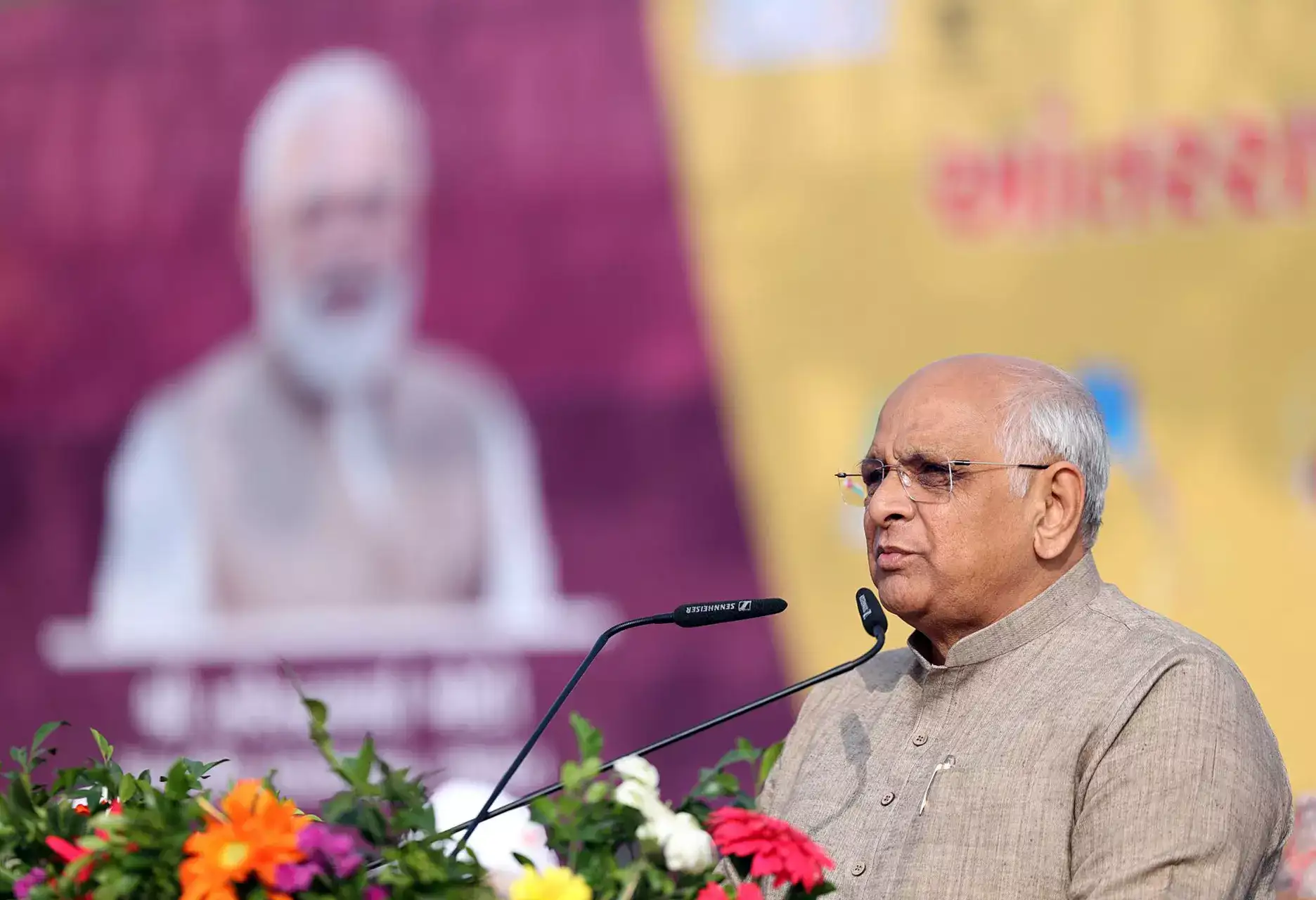
Chief Minister Bhupendrabhai Patel is gearing up to launch a refreshed roadmap on June 15, aiming to cement the state’s dominance as a global investment hub.
The hum of activity at Mahatma Mandir in Gandhinagar is set to reach a crescendo on June 15. As the state government prepares to unveil the New Industrial Policy 2026, the focus is clear: moving from a traditional manufacturing powerhouse to a high-tech, innovation-led economy. Chief Minister Bhupendrabhai Patel, alongside Deputy Chief Minister Harsh Sanghavi, will lead the rollout, signaling a strategic pivot in how the state courts both domestic and international capital.
The Shift in Strategy
This isn’t just a routine policy update. Reports suggest the state is moving toward a more nuanced approach to industrial growth, including the introduction of an "ultra mega" category for massive projects and a stricter, more rigorous screening process for startups. By reclassifying industry categories, the government aims to maximise investment efficiency, ensuring that the state’s world-class infrastructure and connectivity are matched by equally sharp governance.
The policy comes on the heels of several high-profile developments, including the recent inauguration of a state-of-the-art delivery centre in GIFT City. With new hubs focusing on Artificial Intelligence, cloud computing, and data analytics, the administration is clearly banking on technology to drive the next wave of job creation for the state’s skilled youth.
Why it Matters
The timing of this announcement is critical. While competitors like Tamil Nadu are aggressively pushing their own electronics manufacturing agendas, Gujarat is playing to its traditional strengths—investor-friendly governance and ease of doing business—while attempting to bridge the gap in deep-tech sectors.
The bigger picture here is the transition from quantity to quality. For years, the state has been a reliable destination for heavy manufacturing. By tightening startup screenings and focusing on advanced manufacturing, the government is signalling that it wants to attract "sticky" capital—investments that bring R&D and high-end engineering, rather than just assembly lines. If the state manages to balance this with support for MSMEs, it could set a template for other industrial corridors in India to follow.
A Balanced Roadmap
Of course, the challenge remains in implementation. Critics have often pointed to the rising energy demands of such rapid industrialisation, a topic that remains a point of contention in wider policy circles. However, the government’s stated intent for the 2026 policy is to provide a holistic framework that doesn't just chase numbers, but fosters an ecosystem where innovation can actually scale. As we head into June, the industry will be watching closely to see if the fine print lives up to the grand vision presented at Mahatma Mandir.
Kabir Sharma writes on culture, technology and everyday life for PoliticalPedia.