Beyond the Scorecard: Navigating Your Future When Your NEET AIR Crosses 1 Lakh
NEET UG 2026: What to Do If Your AIR Is Above 1 Lakh
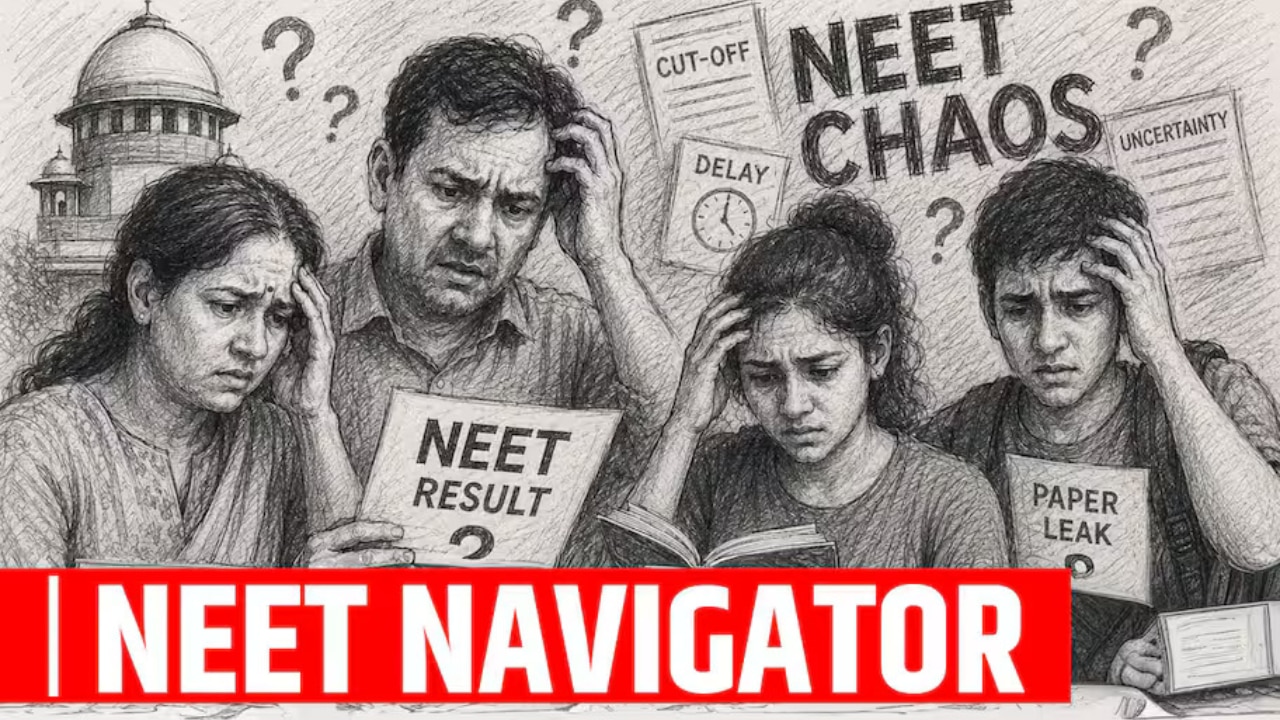
As the NEET UG 2026 dust settles, students facing a six-figure rank must move past the initial shock to make calculated decisions about their medical career.
The corridors of coaching hubs and the anxious silence of family living rooms across India tell the same story this week. With the latest NEET result 2026 data filtering in, a crushing reality has set in for thousands: an All India Rank (AIR) that stretches into six figures. When the rank crosses the 1 lakh mark, the standard roadmap to a government MBBS seat effectively vanishes. For these students, the transition from emotional turmoil to strategic planning isn't just helpful—it is the only way to salvage a career in medicine.
Decoding the Rank Brackets
Understanding where you stand is the first step in the counseling process. With roughly 1.1 to 1.2 lakh MBBS seats available nationwide, an AIR beyond 1 lakh signals a pivot away from top-tier government institutions. Between 1 lakh and 2.5 lakh, admission into state private and deemed universities remains a technical possibility, though families must be prepared for annual tuition costs often hitting the ₹20 to ₹25 lakh bracket.
Once the rank slips toward the 2.5 lakh to 5 lakh range, the financial barrier rises sharply as options shift toward management quotas and donation-based seats. For those landing an AIR above 5 lakh, the path becomes even narrower. Here, the focus must shift from the singular pursuit of an MBBS degree to exploring alternative medicine streams like BAMS (Ayurvedic), BHMS (Homeopathic), or BDS (Dental). These government-sponsored courses offer a viable entry into the healthcare sector without the extreme financial burden or the uncertainty of a questionable seat.
The Bigger Picture: Why It Matters
This year’s examination cycle has been defined by more than just raw marks. Between systemic concerns regarding the NTA’s management, paper leak allegations, and the logistics of the recent re-exam, the mental toll on the 23 lakh-strong candidate pool has been unprecedented. The anxiety reflected on platforms like Careers360 and Shiksha isn't just about the competition; it’s about a system struggling to provide a stable, predictable path for students. An analysis of the current landscape suggests that students who prioritize clear-eyed, pragmatic choices over emotional retakes often find more stability in their professional long-term outcomes.
To Drop or Not to Drop?
Before committing to another 12 months of isolation and mock tests, a clinical self-assessment is non-negotiable. If you missed your target by a narrow margin, a drop year might be a strategic gamble. However, if your rank is deep into the six-figure territory, repeating the cycle requires a massive shift in preparation strategy, not just more of the same. Ankush Koul, an education and career guidance expert, notes that a six-figure rank is not a dead end; it is simply a prompt to evaluate every available pathway. Moving forward—whether through a different course or a re-evaluated prep plan—requires clarity that the heat of the current results season often obscures.
Arjun Mehta reports on government, policy and Parliament for PoliticalPedia, in English and Hindi.