Beyond the rhetoric: India corners Pakistan at UN over ‘Fitna al-Hindustan’ label
‘Organised factory of hate’: India blasts Pakistan at UN over ‘Fitna al-Hindustan’ designation to groups
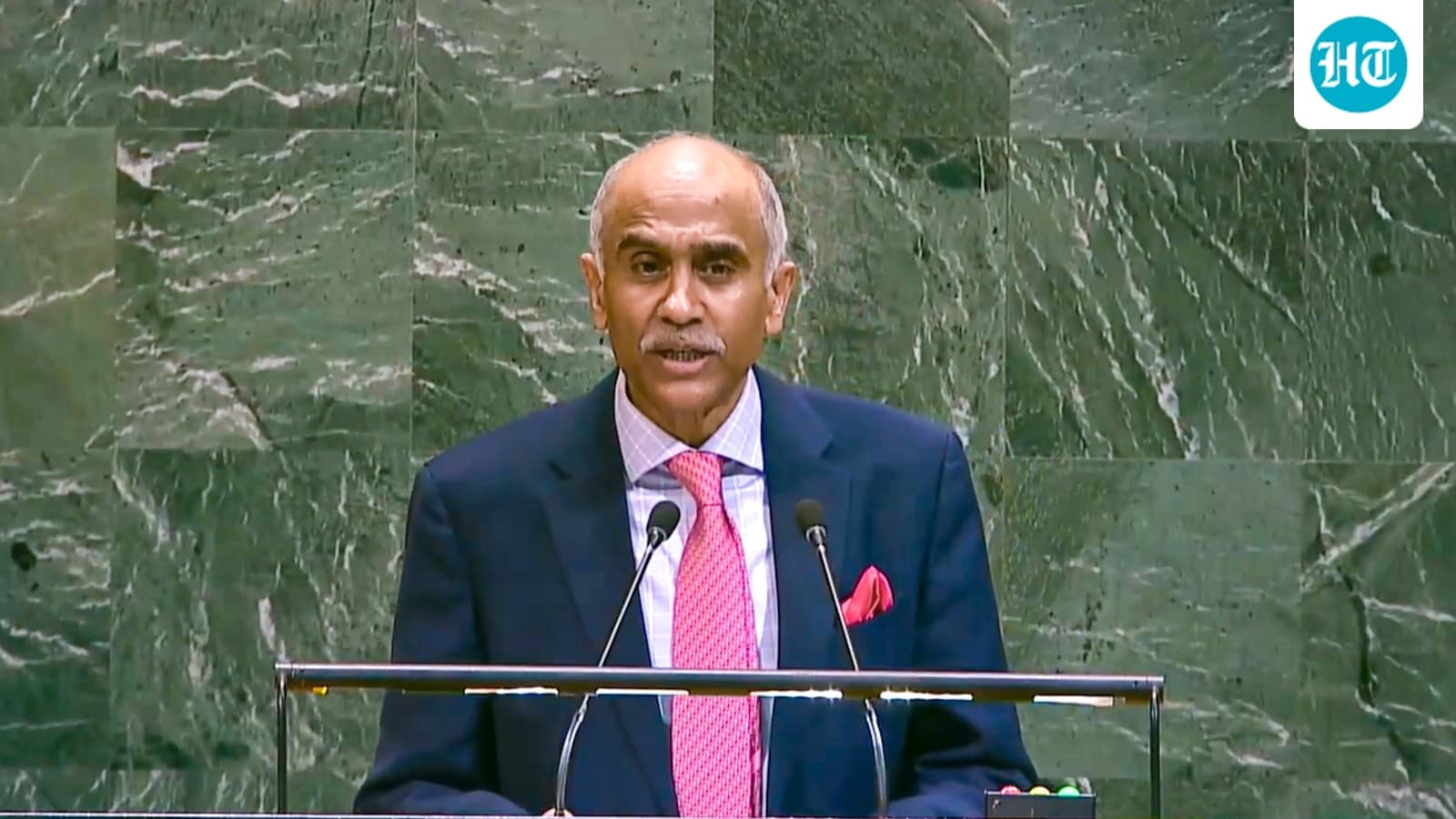
New Delhi’s top envoy at the UN has dismantled Islamabad’s latest narrative, terming the state-sponsored designation of separatist groups as a calculated distraction from domestic failure.
The floor of the United Nations Security Council (UNSC) turned into a theatre of sharp diplomatic friction this week as India launched a scathing critique of Pakistan’s state machinery. At the heart of the standoff is Islamabad’s official branding of various Balochistan-based outfits as "Fitna al-Hindustan"—a term heavy with religious overtones used by the Pakistani establishment to cast these groups as enemies of the state.
Harish Parvathaneni, India's Permanent Representative to the UN, didn't mince words. He described the move as an "organised factory of hate," arguing that the Pakistani deep state is weaponising disinformation to maintain a permanent sense of hostility against its neighbour. By framing internal dissent through a religious lens, New Delhi contends that Islamabad is attempting to deflect public anger away from its crumbling economy and core political crises.
A calculated distraction?
For those tracking the region, this is more than just a war of words. The designation, which gained official traction in 2025, covers several militant organisations operating within Balochistan. The Indian mission’s rebuttal suggests that this is part of a broader, cynical strategy. By keeping the "India threat" alive in the national discourse, the establishment creates a convenient scapegoat for its inability to provide basic governance or economic stability to its citizens.
The Indian envoy also pointedly brought up the internal consolidation of power in Pakistan, specifically referencing the appointment of Asim Munir as the country’s first Chief of Defence Forces (CDF) for a five-year term. Following the 27th Constitutional Amendment, this move has been described by New Delhi as a "de facto coup," suggesting that the military’s grip on the levers of power has never been tighter, effectively sidelining democratic institutions.
Why it matters
This exchange highlights a shift in how India handles Pakistan’s rhetoric on the global stage. Rather than merely responding to individual provocations, New Delhi is now actively deconstructing the "factory of hate" model. By linking the "Fitna al-Hindustan" narrative to the military’s domestic control, India is attempting to expose the systemic nature of Pakistan’s anti-India posturing to the international community.
The implications are clear: as long as Pakistan’s internal political survival remains tied to a permanent state of tension with India, the possibility of meaningful dialogue remains slim. Furthermore, India’s firm stand against what it termed the "massacre" of civilians during Pakistan’s recent airstrikes in Afghanistan suggests that New Delhi is increasingly willing to call out Islamabad’s actions beyond its own borders, framing them as a broader regional security threat rather than just a bilateral dispute.
Business Desk at PoliticalPedia covers economy & markets for an Indian audience in English and Hindi.