Beyond the Pitch: The Beautiful Game Suffers Under the Weight of American Paranoia
Beautiful game, ugly WC: Several teams face brunt of US paranoia, oppressive security
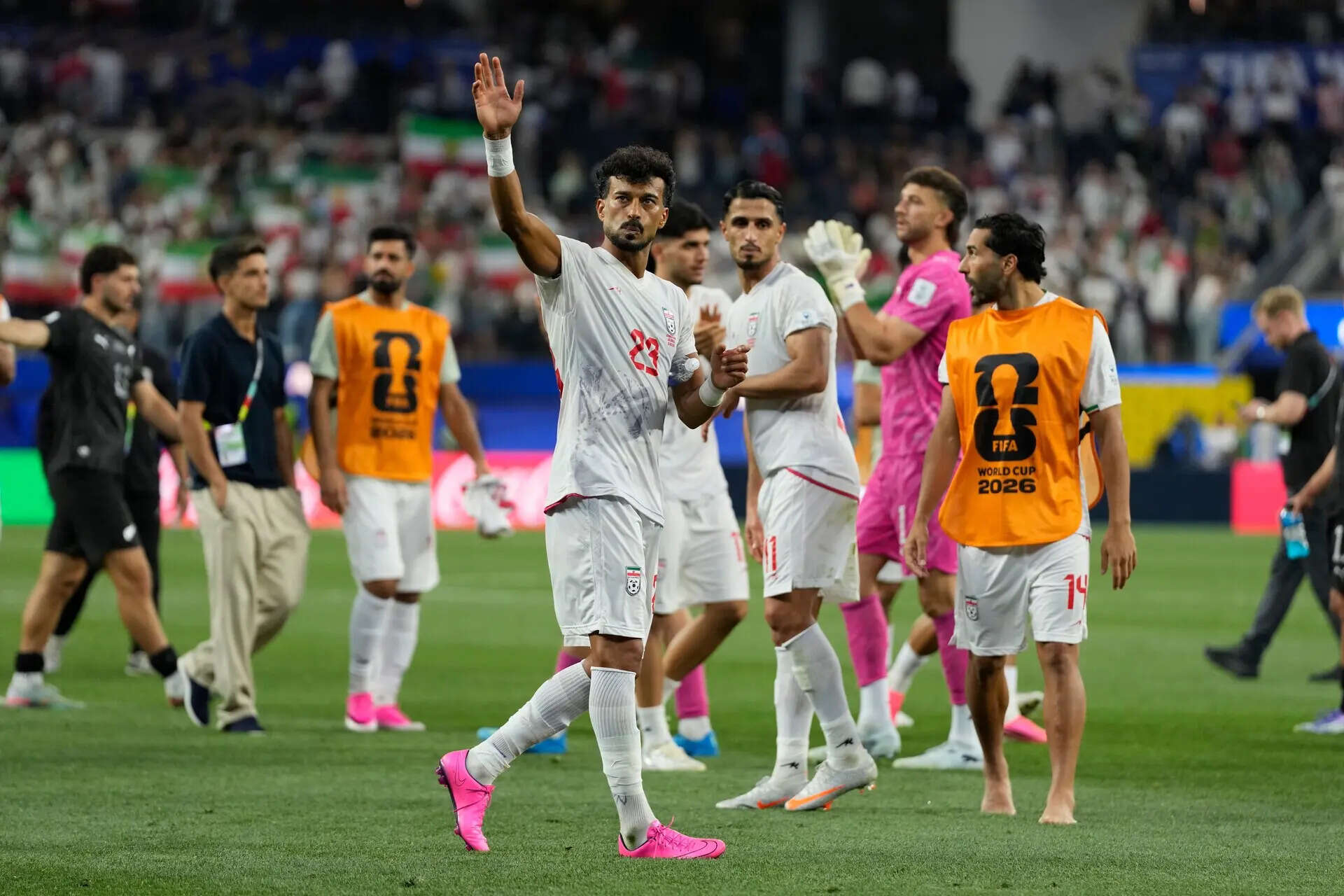
Elite athletes are being treated like high-value detainees as heavy-handed security protocols threaten to overshadow the sporting integrity of the World Cup.
The pre-match routine for a professional footballer usually involves tactical drills, high-intensity warm-ups, and precise nutritional planning. For the Iran national team, however, the preparation for their match against New Zealand in Los Angeles looked more like a frantic exercise in border bureaucracy. While the game itself ended in a creditable 2-2 draw, the real struggle for Team Melli took place far from the turf, caught in the crosshairs of an oppressive security apparatus that seems to have turned the tournament into a logistical nightmare.
A Tournament Under Siege
Iran is far from the only team feeling the brunt of this institutional anxiety. Reports from across the competition indicate that several squads, including Uruguay and Senegal, have voiced deep frustration over the restrictive atmosphere. Players are speaking out about intrusive security measures that limit their movement and mental focus, leaving them feeling less like competitors in a global sporting event and more like subjects of deep-state surveillance.
The Iranian experience highlights the absurdity of the situation. Immediately after the final whistle in Los Angeles, the team was denied the basic recovery protocols standard in any professional setting. Instead of ice baths or post-match medical assessment, the players were rushed to the airport, ordered to evacuate to their base camp in Tijuana, Mexico, without delay. Iran head coach Amir Ghalenoei was blunt in his assessment: “They didn’t even give us time to recover. After the game today, they told us to leave immediately. The World Cup is a disaster for us. We don’t want to make excuses, but it’s not a fair competition.”
The Cost of Security
The psychological toll of navigating US immigration twice in 24 hours is a stark contrast to the high-stakes intensity of international football. For players, the tournament has become a cycle of biometric scrutiny and passport checks. One observer quipped that the team's "warm-up" was replaced by a three-hour seminar on maintaining composure while US agents dissected their personal data.
The match itself, played against the backdrop of a vibrant Persian diaspora in Los Angeles—where some fans held aloft the pre-revolutionary Lion and Sun flag—offered a fleeting reminder of the beautiful game’s power to transcend politics. Yet, the persistent shadow of American paranoia threatens to drain the spectacle of its joy. When security concerns supersede the fundamental needs of athletes, the spirit of fair play inevitably suffers.
Why It Matters
This is not merely about disgruntled players or inconvenient travel schedules; it speaks to a broader, worrying trend where geopolitical tensions are increasingly encroaching upon international sports. When a host nation’s internal security culture becomes so rigid that it actively degrades the performance and well-being of visiting teams, the integrity of the competition itself is compromised. If this pattern continues, the World Cup risks losing its status as a neutral ground for excellence, replaced by a climate of suspicion that taints the very game it seeks to protect.
Arjun Mehta reports on government, policy and Parliament for PoliticalPedia, in English and Hindi.