Beyond the lens: Why Janhvi Kapoor’s stance on consent is back in the spotlight
'Se*ualising someone without consent...: 'Janhvi Kapoor's old interview resurfaces
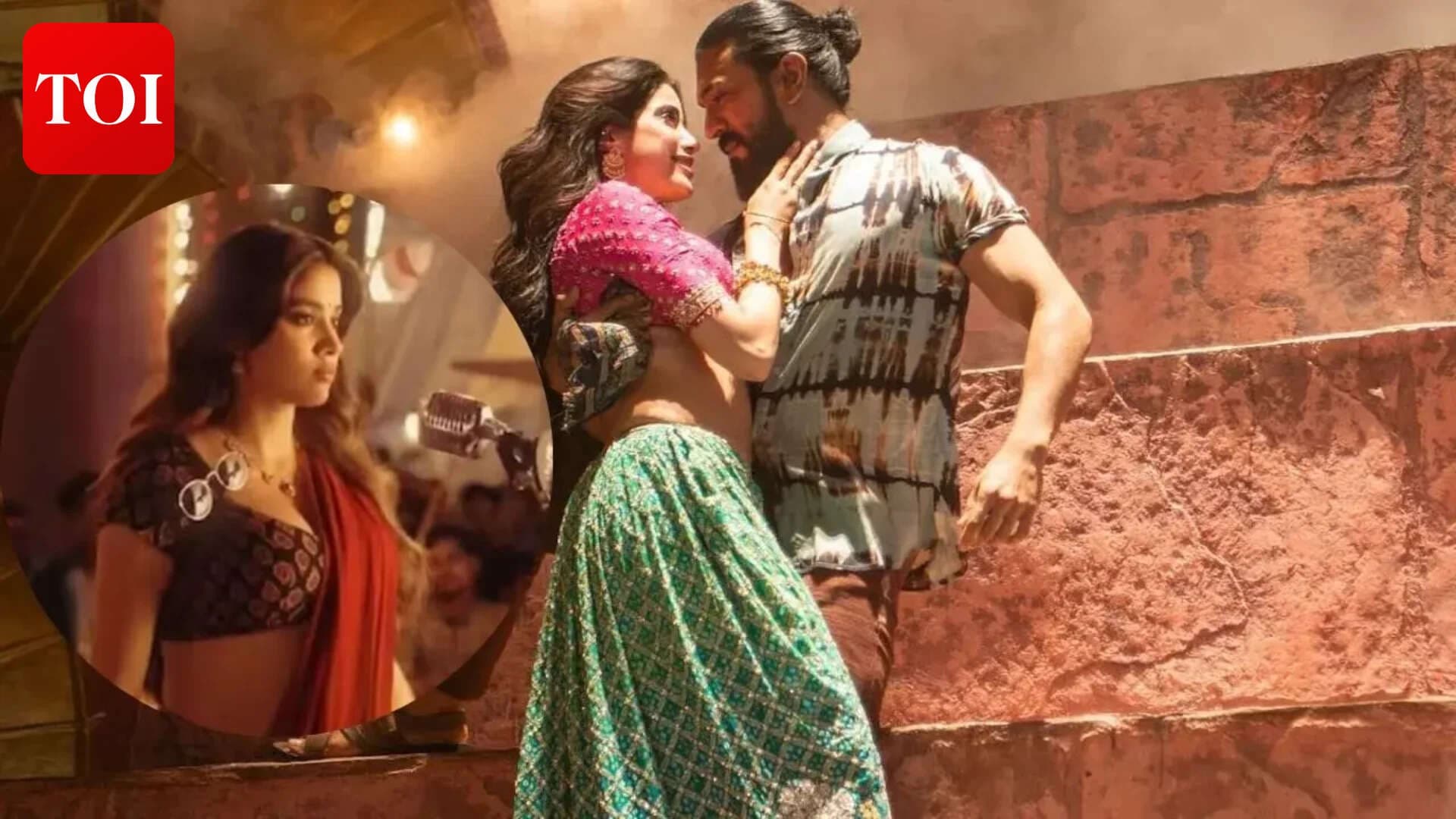
As controversy erupts over the portrayal of Achiyyamma in 'Peddi', an archived interview of the actor resurfaces, highlighting her firm boundaries regarding on-screen objectification.
The digital discourse surrounding the film Peddi has taken an unexpected turn, pulling an April interview of Janhvi Kapoor back into the center of public attention. As audiences debate the cinematic choices made regarding her character, Achiyyamma, many have pointed to the actor’s own words as a litmus test for the industry’s often-tenuous relationship with female agency. The debate centers on the difference between artistic sensuality and an intrusive, non-consensual gaze—a distinction that Kapoor has been vocal about navigating throughout her career.
Defining the boundary
Speaking on Raj Shamani’s podcast earlier this year, the actor provided a nuanced breakdown of how she views her professional responsibilities. Kapoor drew a sharp line between projects she explicitly agrees to and instances where the camera lens feels predatory. She cited her work in the song "Bheegi Saree" as an example of curated sensuality, noting that she was fully aware of the intent behind the frame.
"I think at any and every stage, it's important to ask yourself, what did I consent to?" Kapoor noted during the interview. She maintained that while she is comfortable with sensual performances, she takes strong exception to being sexualized without her approval. For her, the distinction is binary: if the intent is to objectify her without her knowledge, that is where she draws the line. "That, in any and every form, I'm not okay with," she stated, emphasizing that such instances remain a source of genuine frustration.
The challenge of on-set advocacy
Beyond the thematic representation of her roles, the conversation has shed light on the structural hurdles female performers face. Kapoor admitted that asserting boundaries on a film set is far more complex than it appears from the outside. She described the pressure to remain "polite" and the fear of being labeled as "difficult" by crew members or directors of photography when she chooses to object to specific camera angles.
In an industry where silence is often incentivized, Janhvi Kapoor shared that she has spent significant time building the confidence to speak up. While she has historically navigated these moments with strategic caution, weighing the professional cost of every confrontation, she is increasingly prioritizing her comfort. The Times and other outlets tracking the current backlash suggest that these earlier admissions provide a vital context for why viewers are now scrutinizing the direction of Peddi so closely.
Ultimately, the resurgence of these comments reflects a shifting expectation from the audience. Fans are no longer just consuming the final product; they are analyzing the power dynamics behind the camera. For Kapoor, the path forward involves continuing to negotiate that fine line between being a collaborative professional and an empowered individual who retains control over her own image.
The PoliticalPedia Editorial Desk brings verified, sourced political news and analysis from across India.