Beyond the Iron Beast: How India and Europe are Redefining the Tank of Tomorrow
The future of tanks: What India wants in its tank of tomorrow and how Europe is building its own
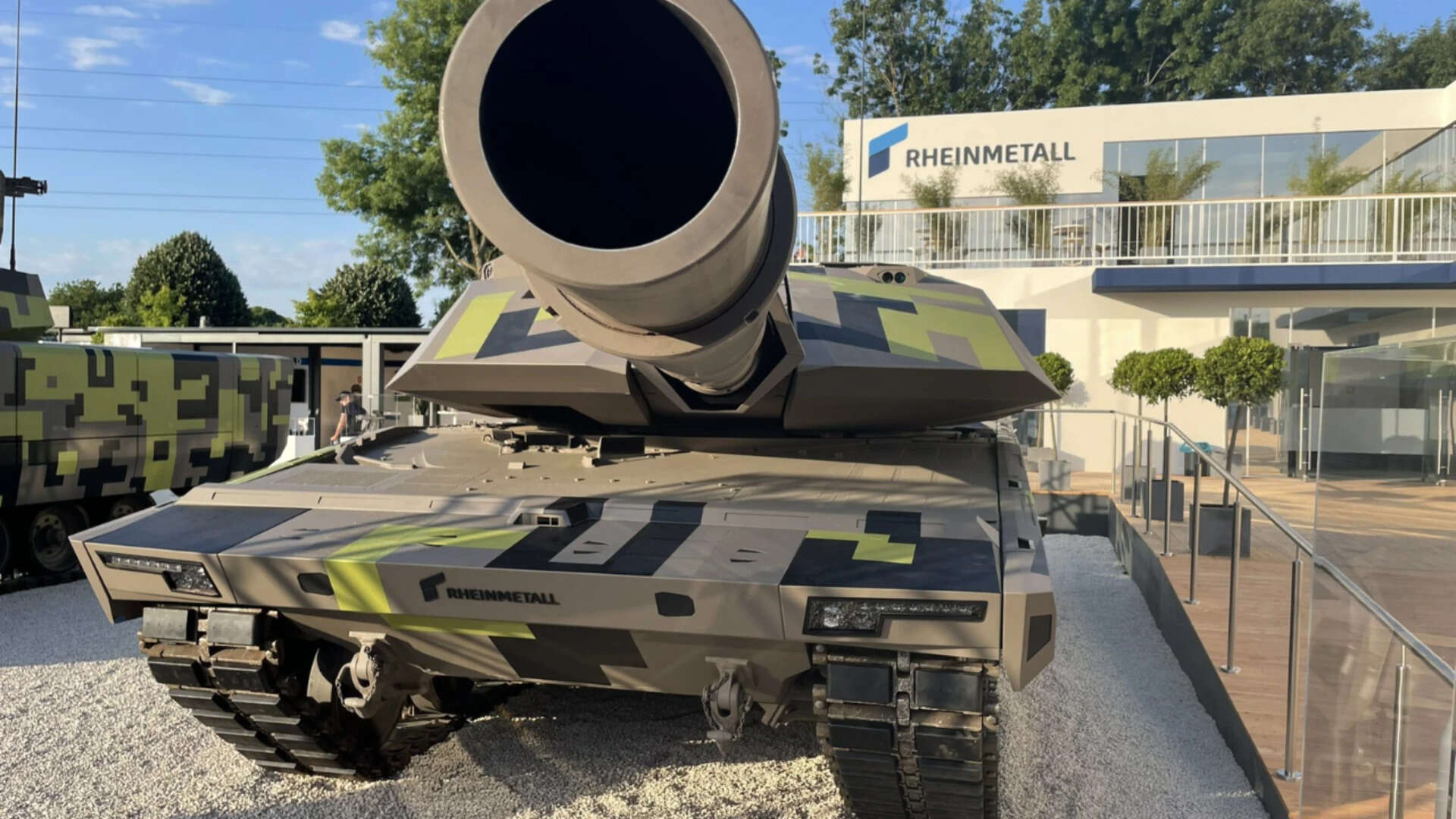
As India eyes a generational shift to replace its ageing T-72 fleet, the global race to build a networked combat node is forcing a rethink of what it means to go to war on the ground.
The humble tank, once defined by the thickness of its armour and the sheer reach of its main gun, is undergoing a radical metamorphosis. In the dusty corridors of South Block and the high-tech boardrooms of Europe, a new vision is taking shape: the tank as a digitised, networked hub. India’s Future Ready Combat Vehicle (FRCV) program is the most ambitious manifestation of this, aiming to move beyond the standalone steel behemoths of the past to create a platform that functions more like a command centre than a simple weapon.
The Indian Blueprint: A Networked Combat Node
The FRCV project is not merely an equipment upgrade; it is a fundamental pivot toward network-centric warfare. According to capability roadmap documents, the vision is a system capable of human-machine teaming. This means the tank will act as a digitised hub, controlling a swarm of unmanned ground vehicles, drones, and loitering munitions to extend its lethality far beyond the line of sight.
To survive in the contested environments along India’s northern and western borders, these vehicles will prioritise resilience. They are being designed with hardened communications to resist jamming and hybrid navigation systems that integrate the Indian Regional Navigation Satellite System (IRNSS), ensuring movement continues even when traditional GPS is denied. With a 360-degree panoramic vision system feeding into a comprehensive C4I network, the crew will essentially see through the skin of the tank, turning the battlefield into a transparent data set.
Europe’s Parallel Path
Across the globe, Europe is chasing a similar evolution. While India crafts its FRCV, Germany and France are collaborating on the Main Ground Combat System (MGCS), though they are using interim solutions like the Capint tank to bridge the gap. The Capint, which pairs a Leopard 2 hull with a French unmanned turret, highlights the continent’s focus on AI-enabled fire control and counter-drone measures. Meanwhile, Rheinmetall’s KF-51 Panther prototype, featuring a massive 130 mm gun and integrated drone launchers, serves as a glimpse into the firepower-centric future of the Leopard 3 successor.
Why it matters
The shift toward "unmanned" and "networked" systems signals the end of the tank’s traditional era of vulnerability. For decades, the rise of cheap, anti-tank missiles and drones led many to declare the tank obsolete. However, by turning these vehicles into nodes that control their own drone swarms and survive through electronic resilience, military powers are effectively giving the tank a second life. For India, this is an industrial and strategic play—moving from a top importer to a developer of high-end, sovereign combat technology. The ability to integrate these systems into a seamless digital architecture will likely define the outcome of future ground conflicts, making the software running under the turret as important as the steel shielding it.
Rohan Gupta covers the economy, markets and companies for PoliticalPedia.