Beyond the Hype: The Urgent Reality Check for Vaibhav Sooryavanshi
Vaibhav Sooryavanshi told to stay away from professional managers
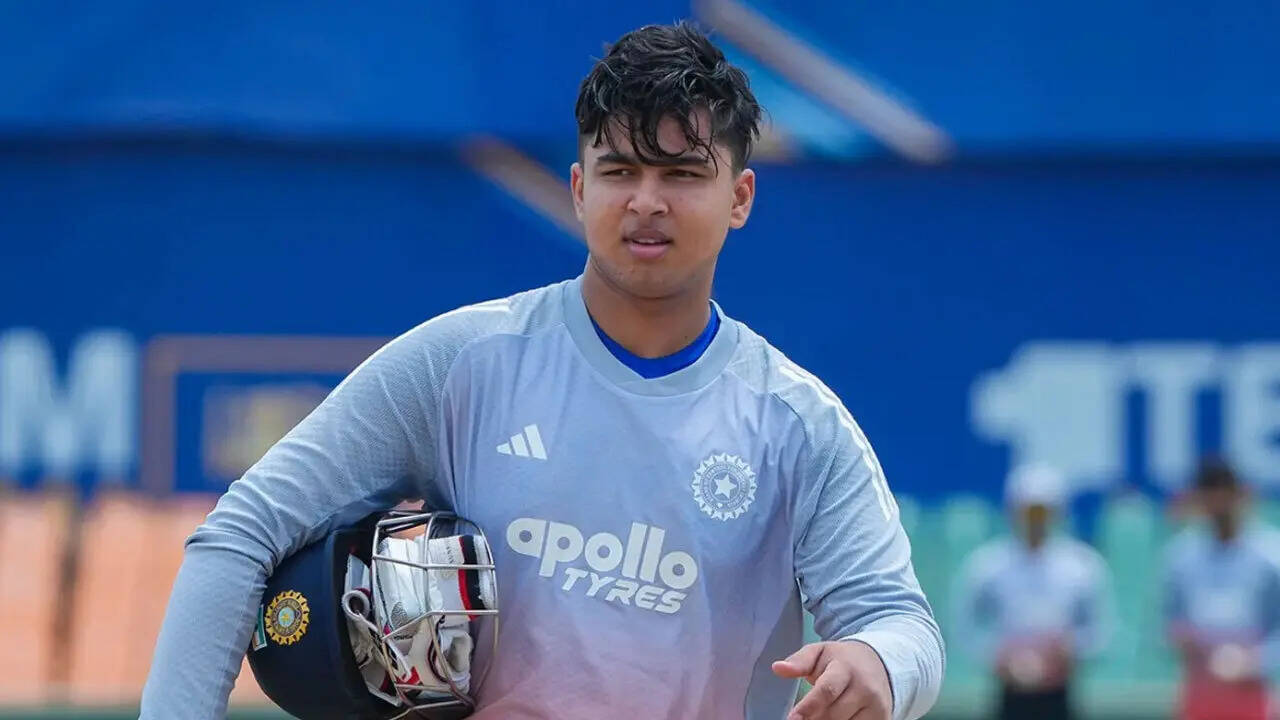
As the 15-year-old batting sensation captures national imagination, veterans warn against the predatory pressures of celebrity management.
The story of Vaibhav Sooryavanshi is no longer just about cricket; it is about the fragility of a 15-year-old being thrust into the unforgiving glare of global stardom. By eclipsing Sachin Tendulkar’s 36-year-old record to become the youngest player selected for the Indian men’s team, the teenager has moved from local circuits to the national stage overnight. Yet, as the headlines cycle between his IPL dominance and his recent golden duck, the narrative has shifted toward a more somber tone: how to protect a child from the "sharks" of the sports management industry.
The Cost of Early Fame
Former India pacer S. Sreesanth has been among the most vocal, urging the young prodigy to keep his circle tight and his focus on the pitch. The counsel is simple but firm: let the family handle the off-field noise. Having watched the youngster’s rise—from grinding through 750 to 1000 balls a day on his terrace during the pandemic to securing his place in international squads—veterans are wary of the distractions that come with professional managers. The consensus in the cricketing fraternity is that Vaibhav must avoid the media circus and press conferences that often derail young talent before they fully mature.
The pressure is compounded by the shadow of previous prodigies. There is an implicit understanding within the BCCI circles that they cannot afford another premature downfall like those seen in earlier eras. This isn't just about cricket; it is about shielding a teenager from the commodification of his own identity. Whether it is his dietary discipline—noted for his avoidance of junk food—or his internal processing of emotions after a high-profile dismissal, the structures surrounding him are now as important as his technique.
The Bigger Picture
Why it matters: The "Vaibhav phenomenon" highlights a systemic gap in Indian sports. We possess the infrastructure to spot talent early, but our mechanisms to insulate that talent from the toxic side of fame remain rudimentary. When a 15-year-old is suddenly worth millions in potential endorsements, the professional management industry often prioritizes short-term revenue over long-term athlete welfare. The warning issued to Vaibhav is a proxy for a larger debate: are we creating superstars or merely creating products to be burnt out by age 20?
The history of Indian sport is littered with stories of "what could have been." By emphasizing that he should stay away from professional agents and stick to the guidance of his father and coaches, Sreesanth and others are essentially calling for a return to traditional mentorship. It is a plea for patience in an era that demands instant results. As Vaibhav continues to navigate the complexities of international tours to Ireland and England, the test will not be how many runs he scores, but whether he can remain a kid while the world insists on treating him as an institution.
Arjun Mehta reports on government, policy and Parliament for PoliticalPedia, in English and Hindi.