Beyond the Hype: Can AI-driven growth ever be truly responsible?
Can AI-driven growth be made responsible? An Expert Explains how
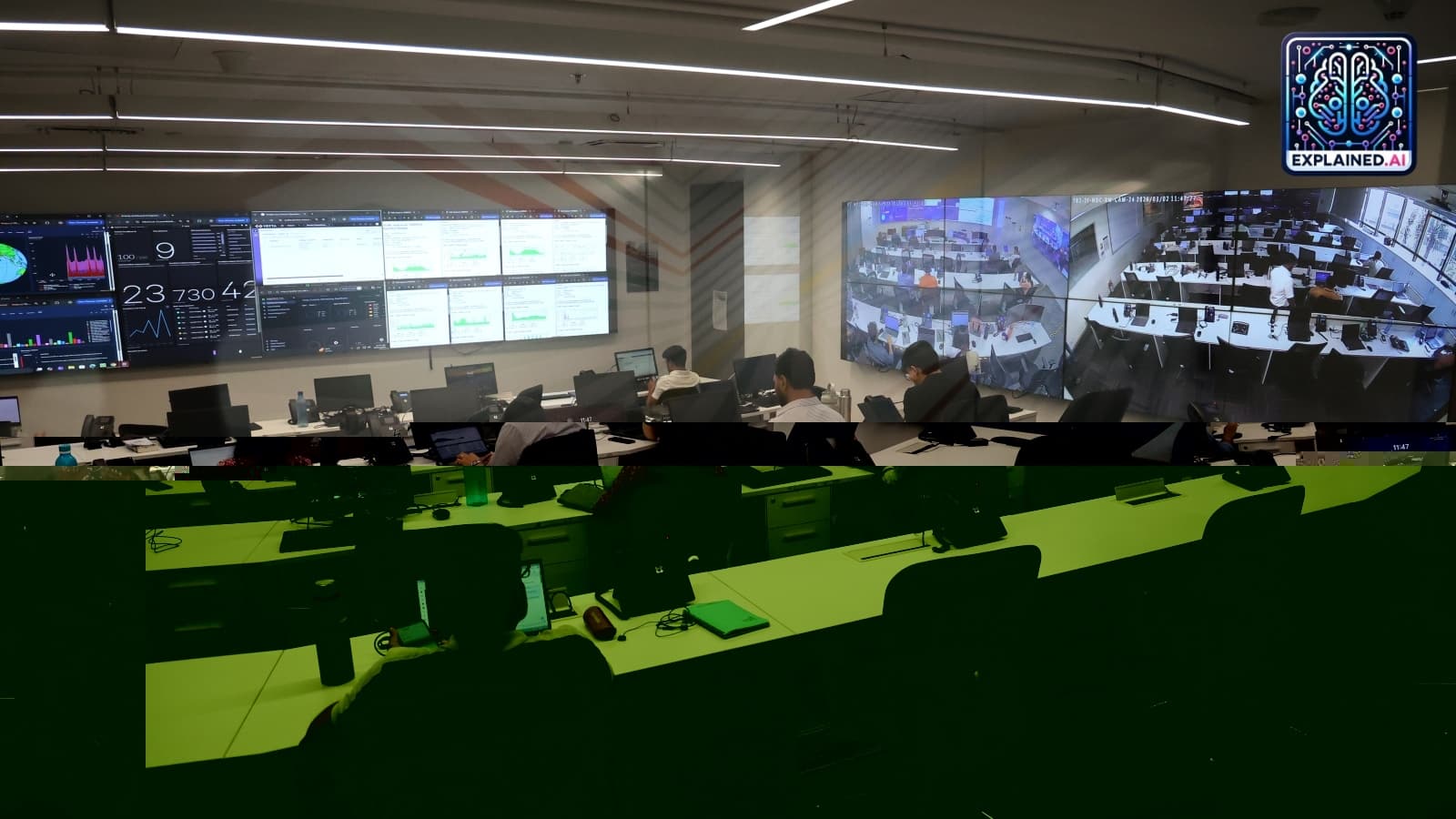
As nations race toward technological supremacy, a new global project interrogates the hidden human and environmental costs of the algorithms shaping our future.
The global pursuit of artificial intelligence has transitioned from a niche technological interest to a cornerstone of statecraft. From healthcare diagnostics to military targeting and workforce management, governments and corporations are aggressively integrating these systems, driven by the promise of economic efficiency and national prestige. However, behind the glossy reports on career opportunities and corporate transformation, a growing chorus of scholars and activists is asking a different question: at what cost to the citizen does this pursuit come?
The Seductive Shortcut
For many nations, including India, the adoption of advanced computation is being framed as an urgent national imperative. Experts suggest this is not merely a technical choice but a strategic one. Facing post-colonial legacies and the constant pressure of widening inequality, governments often view these tools as a "shortcut"—a way to bypass the slow, grinding work of structural reform. By embracing algorithmic efficiency, states hope to project an image of modernity and geopolitical relevance, effectively joining an "AI arms race" that mimics the playbooks of major powers like the US and China.
Unmasking the Infrastructure of Power
A project known as the "AI Resist List" is now attempting to pull back the curtain on this narrative. Petra Molnar, a lawyer and anthropologist involved in the initiative, argues that the current framing of technology as a universal good is, in itself, a form of narrative power. The project highlights that what is often sold as "national growth" frequently masks deeper, more complex agendas: the consolidation of surveillance states, the capture of public infrastructure by private investors, and the prioritisation of defence procurement over public welfare.
Invisible Costs and Material Realities
The real-world impact of this digital expansion is increasingly physical. The "frenzy" to build data centres to support these ambitions is already placing a visible strain on public resources, with reports of rising electricity costs for ordinary households. Furthermore, the push for automated systems is not without its risks. From the potential for reinforced gender bias in public services to the concerns regarding automated hacking and the ethical dilemmas of military targeting, the integration of these tools into schools, hospitals, and war zones raises profound questions about democratic accountability.
Toward a New Framework
The resistance documented by global observers is not necessarily a rejection of innovation, but a demand for transparency. The movement operates on four pillars: Resist, Refuse, Reclaim, and Reimagine. This approach suggests that if we are to move forward, we must stop treating technology as an inevitability that stands above critique. True progress requires shifting the focus from mere national dominance to protecting the workers, communities, and digital infrastructure that remain largely invisible in the current rush to digitise everything.
The PoliticalPedia Editorial Desk brings verified, sourced political news and analysis from across India.