Beyond the Headlines: Akanksha Chamola’s Candid Admission on Lock Upp
Gaurav Khanna’s wife Akanksha Chamola opens up about being bisexual: ‘I like women’
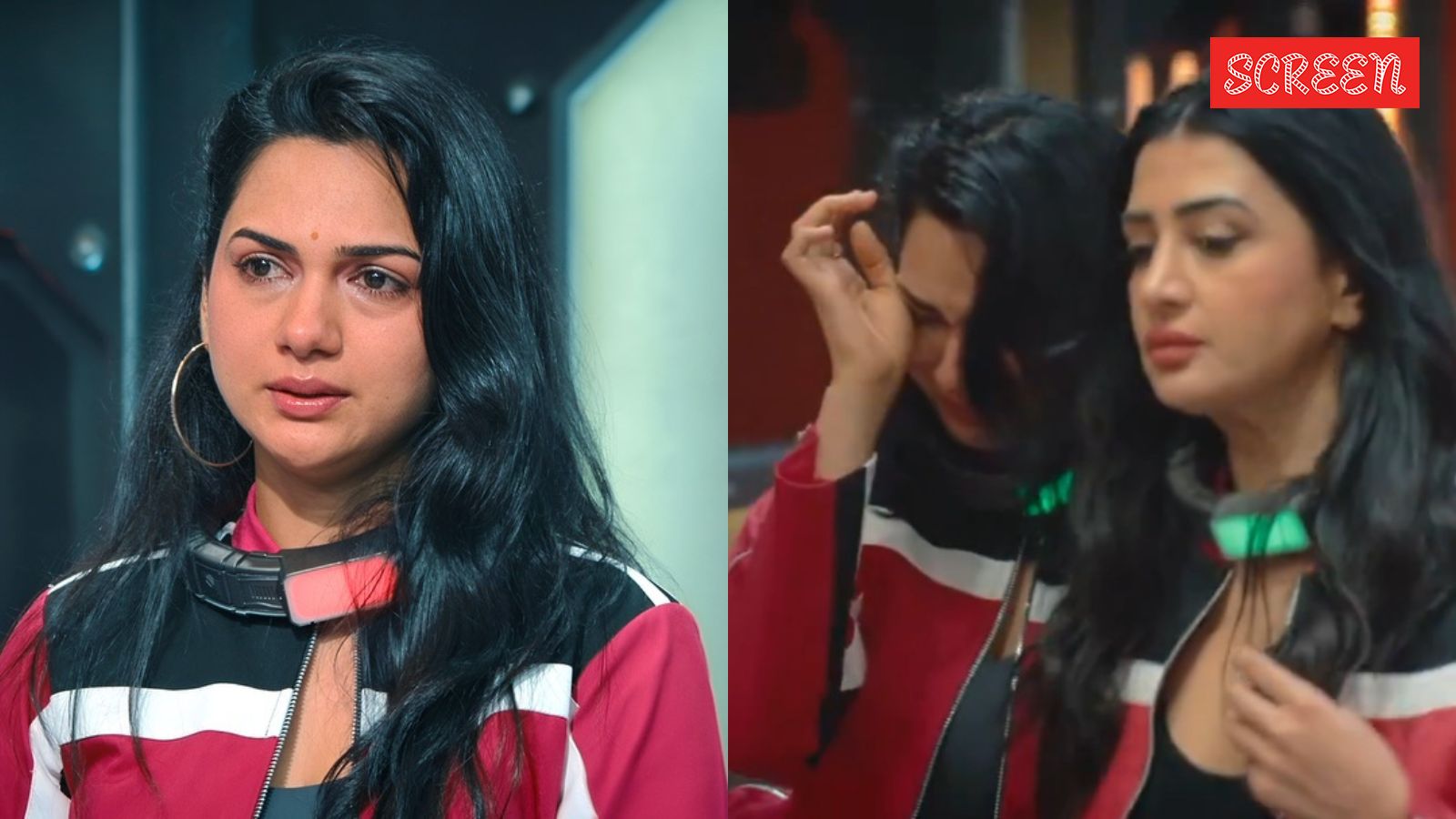
The actress’s revelation about her past relationships has sparked a nationwide conversation about identity, marriage, and the changing landscape of reality television.
The arc of Indian reality television has always relied on the "shock factor," but every so often, a contestant cuts through the noise with a moment of raw, personal vulnerability. Recently, Akanksha Chamola, known to many as the wife of television star Gaurav Khanna, chose the high-pressure environment of Lock Upp 2 to address facets of her identity that had previously remained private. In a candid admission that has since rippled across social media and news cycles, Akanksha shared that she was bisexual before her marriage to Gaurav, openly discussing her past emotional and romantic connections with women.
The confession arrived amidst a flurry of headlines regarding her personal life. The Lock Upp house, a platform where personal histories are often laid bare under the glare of constant surveillance, became the stage for this revelation. While reports from outlets like The Times of India and The Indian Express have highlighted the viral nature of her statement, the core of the discussion remains the intersection of past identity and current marital commitments. Akanksha was clear in her framing: she identified as bisexual "before marriage," a distinction that has been widely reported to clarify the timeline of her personal journey.
The Public and Personal Fallout
As with any high-profile announcement involving a celebrity couple, the public reaction has been swift and often polarized. News outlets such as News18 and Hindustan Times have noted the broader context of these claims, which were brought into the spotlight alongside discussions of the couple’s relationship status. Gaurav Khanna, a veteran of the industry, has found himself at the center of the discourse, with various reports noting his response—or lack thereof—to the unfolding narrative.
The situation was further complicated by interventions from other contestants, such as Shreya Kalra, whose comments on the show added layers of speculation to the narrative. Yet, for the viewers, the focus has largely shifted toward how such admissions shift the traditional expectations placed upon public figures in India. When a personality like Akanksha Chamola speaks with such transparency, it forces a conversation about the fluidity of human experience, even within the rigid structures of entertainment reporting.
Why it matters
The intense media scrutiny surrounding this story is a mirror of how we, as an audience, consume celebrity lives. Whether it is the seasoned reporting of journalists like Nawaz Kochra or the viral-driven coverage of digital news desks, the industry is clearly fascinated by the breakdown of traditional celebrity archetypes. This isn't just about a "shocking" headline; it is indicative of a slow, steady shift where public figures feel increasingly empowered—or perhaps compelled—to own their truths, even when they contradict the sanitized image often expected of them in Indian show business.
This episode serves as a reminder that the boundary between reality and performance is thinner than ever. For the industry, the implications are clear: the audience is no longer satisfied with curated, one-dimensional profiles. They are looking for the complexities of real human lives. Whether this leads to more nuanced representation on screen remains to be seen, but for now, the conversation has moved firmly into the mainstream.
Kabir Sharma writes on culture, technology and everyday life for PoliticalPedia.