Beyond the Exam Hall: Zeeshan Ayyub’s Plea to NEET Aspirants Amidst a Crisis of Confidence
‘Nothing Is End Of The World’: Zeeshan Ayyub’s Message To Students Ahead Of NEET UG 2026 Re-Exam
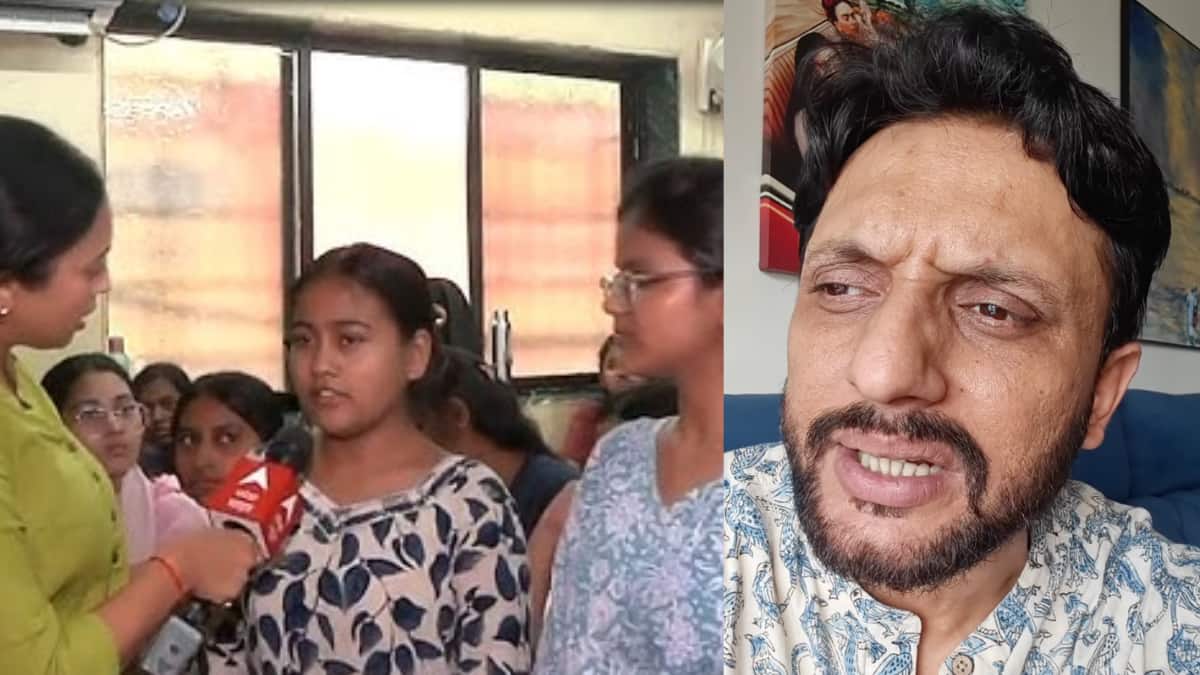
As the NEET UG 2026 re-exam commences under the shadow of a systemic paper-leak controversy, actor Zeeshan Ayyub intervenes with a sobering message on student mental health.
The corridors of exam centres across the country are heavy today. As students head into the NEET UG 2026 re-examination—a do-over forced by a damaging paper-leak scandal—the air is thick with more than just academic nerves. It is a moment of collective anxiety, exacerbated by the recent, tragic reports of student suicides linked to the high-stakes pressure of these entrance tests. Actor Zeeshan Ayyub, known for his vocal stance on social issues, chose this moment to reach out directly to the aspirants, urging them to recalibrate their relationship with the exam.
A Message of Resilience
Taking to Instagram, Ayyub acknowledged the "ajeeb mahaul" or unsettling environment that has defined this year’s medical entrance cycle. He did not shy away from the controversy surrounding the National Testing Agency (NTA), noting that while it is heartening to see the public finally scrutinising the system, the human cost of this scrutiny remains high. His core message to students was simple yet profound: "Nothing is the end of the world."
The actor’s video appeal focused on the fragility of young minds caught in the crosshairs of administrative failures. He stressed that while demanding institutional accountability is vital, it should never come at the cost of one's life. "Zindagi mein bohot kuch hai," he reminded the students, pushing them to view their worth through a lens wider than a single scorecard. He also took the pragmatic step of encouraging professional counselling for those feeling overwhelmed, stripping away the stigma often attached to seeking mental health support.
The Bigger Picture: Why It Matters
This intervention by Ayyub underscores a growing disconnect between the machinery of competitive testing and the well-being of the youth. The NEET controversy has morphed into a larger conversation about the systemic rot within national testing bodies and the immense psychological toll of "exam-first" culture. When the gatekeepers of professional education falter—as seen in the NTA’s recent struggles—the resulting instability disproportionately hits the most vulnerable.
For the students appearing in today’s 2 pm to 5:15 pm slot, the pressure is two-fold: the academic rigor required to crack the exam and the lingering fear that the process itself might be compromised. Ayyub’s plea serves as a necessary, if late, reminder that in the clamour for ranks and seats, the individual student’s right to a healthy future is the only metric that truly counts. It signals a shift where public figures are no longer just commenting on the politics of education, but are actively trying to buffer the emotional fallout of systemic crises.
Priya Nair covers parties, elections and the business of power for PoliticalPedia.