Beyond the Bunker: Garudastra Brings Precision and Mobility to India’s Frontlines
Guided mobile 120mm mortar system tested, brings precision smart shells to the fight
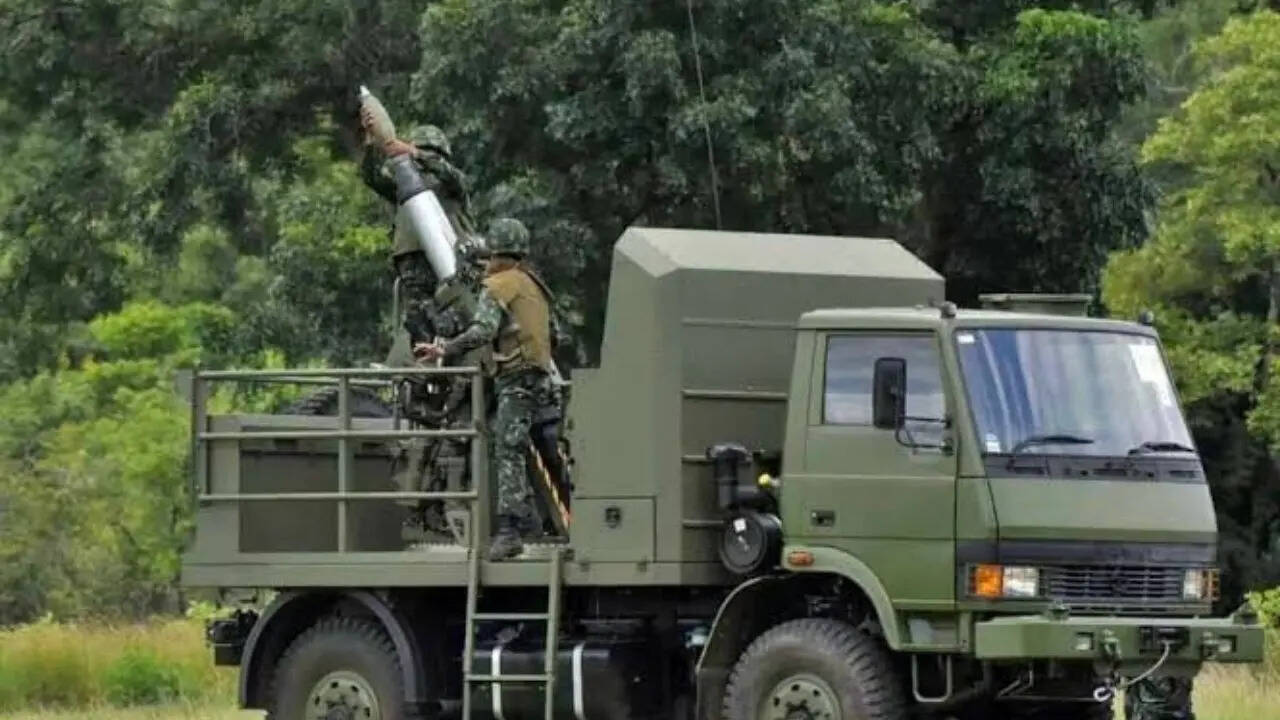
A new vehicle-mounted mortar system marks a shift toward agile, smart-shell warfare for the Indian infantry.
The dry, rugged terrain of Mhow, Madhya Pradesh, recently played host to a significant evolution in Indian tactical warfare. Nibe Limited took the wraps off the Garudastra, a 120mm vehicle-mounted mortar system that promises to redefine how the infantry engages with fortified positions. By moving away from static, heavy artillery toward a highly mobile platform, the system brings a much-needed agility to the frontline, allowing commanders to strike with precision while keeping their own units out of the immediate line of fire.
The Power of Precision
At its core, the Garudastra is designed to solve the age-old problem of balancing firepower with mobility. While traditional mortars are reliable, they often lack the tactical flexibility required in a modern, drone-heavy battlefield. This guided mortar system changes the math. By integrating both GPS and laser-guided munitions, it allows for surgical strikes on enemy bunkers, capable of punching through 20cm of reinforced concrete with a 17kg warhead. With a range of 7-10 kilometres, it keeps the crew at a safe distance while maintaining a high rate of fire—bursting up to 16 rounds per minute when the pressure is on.
The hardware is equally impressive. Using soft-recoil technology, the mortar is mounted on a lightweight 4x4 tactical vehicle, ensuring it can traverse the broken ground where heavier towed artillery might struggle. The real edge, however, lies in its digital heartbeat. By plugging directly into Command, Control, Communications, Computers, and Intelligence (C4I) and Battle Management Systems (BMS), the Garudastra receives real-time targeting data from drones and radars. This means the crew isn't just firing blindly; they are reacting to live feeds that allow for instant course corrections.
Why it Matters: The Shift to Shoot-and-Scoot
In an era where every projectile launch is met with almost instantaneous counter-battery radar tracking, the shoot-and-scoot capability is no longer a luxury; it is a necessity for survival. Once the Garudastra lets off its multiple shots, it can relocate before the enemy’s detection systems can lock onto its coordinates. This tactical fluidity is vital for maintaining battlefield dominance.
The bigger picture here is clear: the Indian military is pivoting toward systems that are lighter, smarter, and faster. By prioritizing mobile platforms over static ones, the defence ecosystem is acknowledging that the next conflict will be won by those who can see the target first and disappear before the return fire arrives. The Garudastra represents a pragmatic bridge between the raw power of traditional artillery and the surgical requirements of modern, technology-driven infantry operations.
Ananya Iyer covers global affairs with an Indian lens for PoliticalPedia.