Beyond the Assembly Line: Why Electronics and Engineering are India's New Trade Anchors
Electronics, pharma and engineering goods lead India's FTA dividend as export engine shifts gears
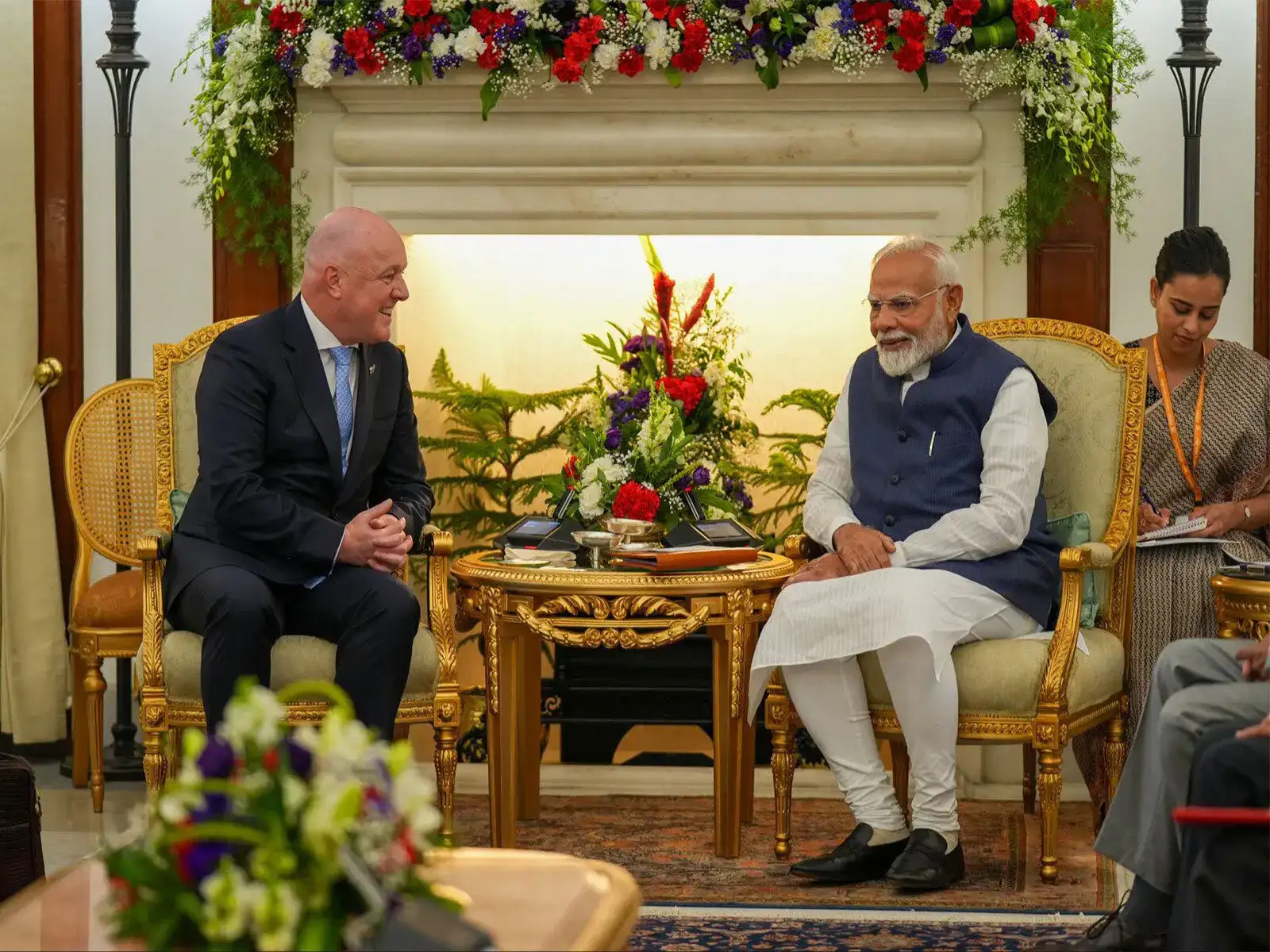
Fresh data from Yes Securities indicates that India’s strategic pivot toward Free Trade Agreements is finally tilting the scales in favor of high-value manufacturing exports.
For years, India’s trade narrative was defined by a cautious, inward-looking stance. But as global supply chains undergo a tectonic shift, the country is finally recalibrating. A new assessment from Yes Securities reveals that India’s recent wave of FTAs is more than just diplomatic posturing; it is a fundamental shift toward deeper global integration, with electronics, pharmaceuticals, and engineering goods emerging as the primary engines of this new growth cycle.
The Data Behind the Shift
To cut through the noise, analysts utilized Monte Carlo simulations—running over 2,000 iterations to test the robustness of various sectors under new trade regimes. The results are stark. Electronics, once an import-heavy sector, has surged to the front of the pack. With a composite FTA Opportunity Score of 1.32, the sector shows a 55.2% probability of becoming a high-growth pillar for the economy.
This isn't just about assembly. The report highlights that the convergence of the Production Linked Incentive (PLI) schemes and the entry of global giants like Apple has forced a shift toward deeper localization. We are seeing the domestic ecosystem expand into printed circuit boards (PCBs), battery systems, and semiconductor packaging, narrowing the long-standing tariff gap that previously favored competitors like Vietnam and China.
Engineering and Pharma: The Steady Hands
While electronics provide the momentum, engineering and machinery goods offer the stability. Scoring 0.50 on the index, this sector is highly sensitive to tariff reductions. Because engineering exports compete on razor-thin margins and strict delivery timelines, the removal of trade frictions via FTAs with the UK, EU, and EFTA is a game-changer. The sector’s Reveald Comparative Advantage (RCA) has already climbed from 0.23 in 2021 to 0.33 in 2025, signaling that Indian machinery is becoming a preferred choice for global industrial automation and renewable energy projects.
Pharmaceuticals remain a classic strength. With an existing RCA between 1.5 and 2.0, the sector has secured a robust FTA score of 0.66. While textiles and specialty chemicals struggle with structural headwinds, the data suggests that India’s export engine is effectively pivoting toward sectors where competitive advantage is backed by scale and technical complexity.
Why it Matters: The Bigger Picture
This shift marks the end of India's "protectionist comfort zone." By locking in preferential market access, India is effectively betting that its manufacturing sector is ready to compete on price, reliability, and quality. However, the path isn't without risk. While the FTA score for these sectors remains positive, the broader economic environment remains tense. Global pressures—such as volatile oil prices and lingering stress in the informal economy—continue to shadow these trade gains.
The real test will be whether the government can maintain this momentum in manufacturing while navigating the turbulence of global geopolitical conflicts. If these sectors can leverage the current FTA opportunities to move up the value chain, India may finally transition from a peripheral player to a core hub in the global supply chain. The data says the potential is there; the execution, however, remains the final variable in this equation.
Ananya Iyer covers global affairs with an Indian lens for PoliticalPedia.