BESCOM Online Services Offline: 20 Towns in Karnataka Face 21-Day Digital Blackout
Consumer data migration: BESCOM halts online services for 21 days in Bengaluru
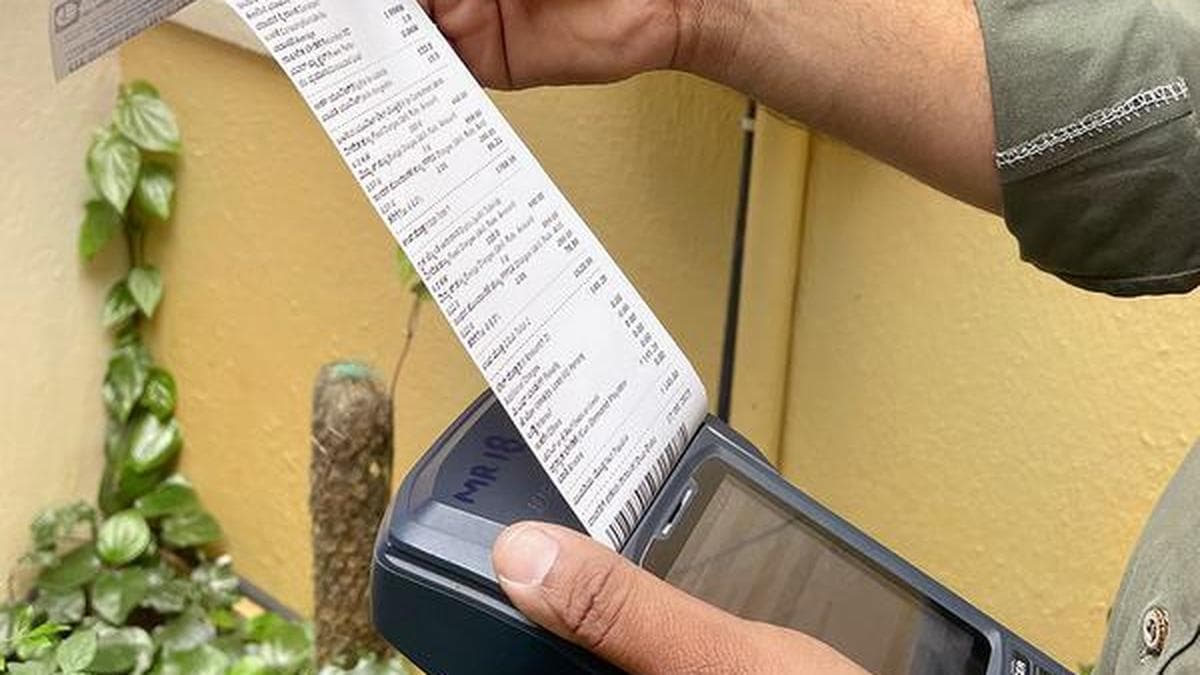
Residents across 20 towns under the BESCOM network must prepare for a three-week hiatus in digital services as the utility provider upgrades its backend infrastructure.
If you live in towns like Devanahalli, Magadi, or Nelamangala and have been planning to apply for a new electricity connection or request a load enhancement, you might want to rush those chores today. From June 10 to June 30, the Bangalore Electricity Supply Company (BESCOM) is pulling the plug on its online services in 20 specific sub-divisions. The reason? A major migration of consumer data.
The utility is moving its entire database from the aging Total Revenue Management (TRM) software to the more modern Integrated Power Development Scheme (IPDS). While officials describe this as a mandatory and unavoidable transition to a new IT application, the move effectively grounds all digital administrative functions for three weeks. During this period, the web portal will remain inaccessible for standard requests, including name changes and official applications.
What You Need to Know
The disruption is localized to specific regions rather than the entire Bengaluru grid. The 20 towns impacted include Bagepalli, Gudibande, Malur, Srinivaspura, Vijayapura, Channagiri, Chikkanayakanahalli, Gubbi, Holalkere, Honnali, Hosadurga, Jagalur, Koratagere, Madhugiri, Molakalmuru, Pavagada, and Turuvekere. If your home or business falls under these sub-divisions, you will be unable to access the BESCOM website for any service-related tasks until the month ends.
There is, however, a small relief for those worried about their monthly electricity bill. While the official BESCOM portal will be down, the company has clarified that third-party payment platforms like PhonePe and Google Pay will continue to function. Consumers are advised to rely on these channels to clear their dues to avoid any potential late-payment penalties during the migration window.
Why It Matters: The Bigger Picture
This 21-day blackout highlights the often-invisible friction inherent in modernizing India’s aging public utility infrastructure. While the shift to the IPDS software promises a more integrated, efficient future for power management, the immediate cost is a stark reminder of our dependence on these legacy systems.
For the average consumer, this pause represents more than just a software update; it is a temporary regression in the convenience of "everyday life" in Bengaluru’s periphery. As regional grids across India slowly transition to sophisticated, tech-heavy management systems, such downtime is likely to become a recurring, if frustrating, reality. The challenge for these corporations remains how to balance long-term digital maturity with the need for uninterrupted service for a growing, digitised population.
Features Desk at PoliticalPedia covers culture, tech & life for an Indian audience in English and Hindi.