Behind the Barricades: Mexico’s High-Stakes Kick-off for FIFA World Cup 2026
FIFA World Cup 2026: Mexico promises peaceful tournament opening despite protests
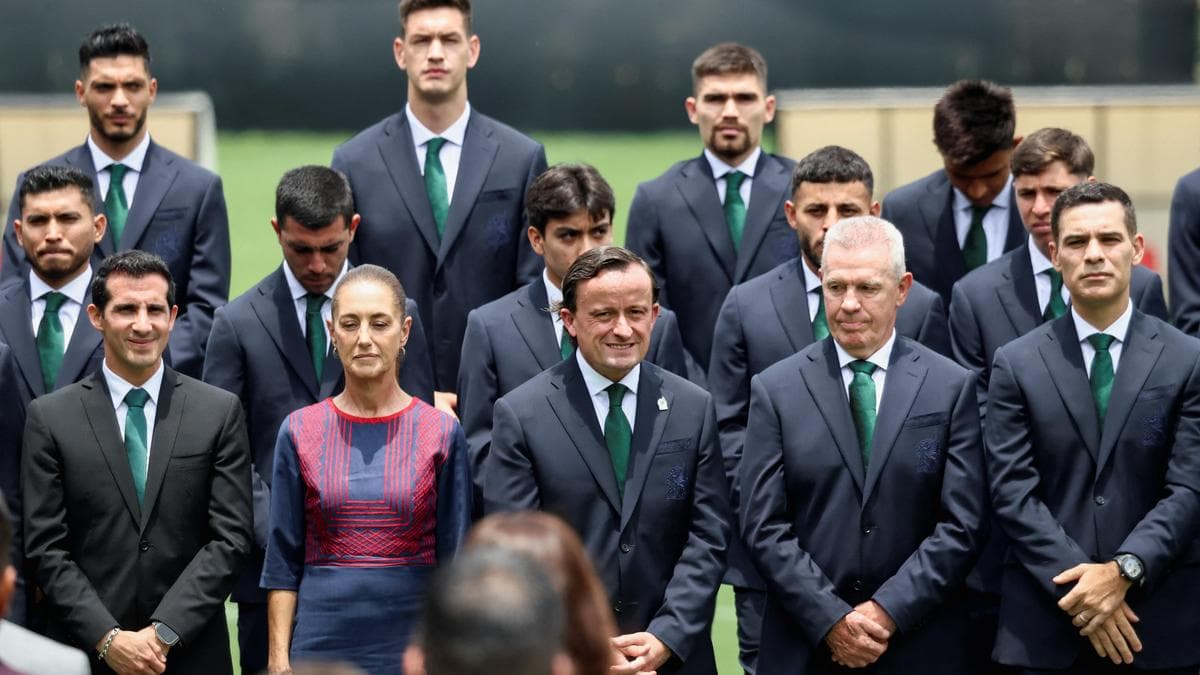
As Mexico prepares to host the opening match, the festive spirit is being tested by teacher-led protests and security concerns in the capital.
The Zocalo, Mexico City’s historic heart, is usually a stage for national pride. This week, however, it resembles a fortress. Metal barricades snake through the streets, cordoning off the massive fan zone where thousands are expected to gather for the FIFA World Cup opener between Mexico and South Africa. For President Claudia Sheinbaum, the mission is clear: ensure the opening ceremony proceeds in "peace and tranquility." Yet, the reality on the ground suggests a more complicated start to the tournament.
Teachers have descended on the city in a sprawling network of tent camps, demanding salary hikes and pension reforms. The tension is palpable. Last week, police used teargas and rubber bullets to disperse crowds near the Zocalo, and in a more provocative turn, demonstrators toppled statues of football players downtown. Adding to the volatility, authorities reported intercepting a convoy on Monday carrying 59 homemade explosive devices. For the government, these are "provocations" that threaten the global spotlight.
The Cost of the Game
The atmosphere has left local businesses and tourists in a bind. While the government maintains that the event will be well-executed, the visual of a locked-down capital is unsettling for visitors. Jonathan Herrera, a 31-year-old waiter, paints a grim picture: access to his restaurant is blocked, tourists are "freaked out," and the expected economic windfall of the world tournament is being stifled by the encampments. Conversely, some international visitors, like 64-year-old Heather Lutz, see the protests as a legitimate attempt to show the "real" side of the country during a moment of global scrutiny.
Beyond the immediate salary disputes, the protest movement carries the weight of long-standing grievances, including the 2014 disappearance of 43 students from the Ayotzinapa teachers college. For the union members, this tournament is the ultimate leverage—the perfect time to force the administration into meaningful negotiations. Sheinbaum has promised an open dialogue, but with the union deeming current offers insufficient, the standoff remains firmly in place.
The Bigger Picture
Why does this matter? The friction in Mexico City highlights a recurring tension for host nations: the clash between the polished, high-gloss image required for a global sporting spectacle and the messy, unresolved realities of domestic policy. When a country puts itself on display, it inevitably invites the world to look at its cracks as well as its successes.
Amnesty International and other observers have warned that mega-events like the World Cup can sometimes become catalysts for increased state repression or, conversely, flashpoints for civil unrest. Mexico now walks a tightrope. If the tournament proceeds without major disruption, it will be a victory for security planning; if the protests continue to escalate, it risks overshadowing the sport itself. As the Straits Times and other outlets have noted, the eyes of the world are fixed on how the administration balances the "party" of football with the rights of its citizens to demand change.
Features Desk at PoliticalPedia covers culture, tech & life for an Indian audience in English and Hindi.