Begusarai Assault: A Test of Accountability as Bihar Faces Fresh Questions on Law and Order
BIHAR SHOCKER: Begusarai Assault Case Sparks Outrage Amid Questions Over Police Response
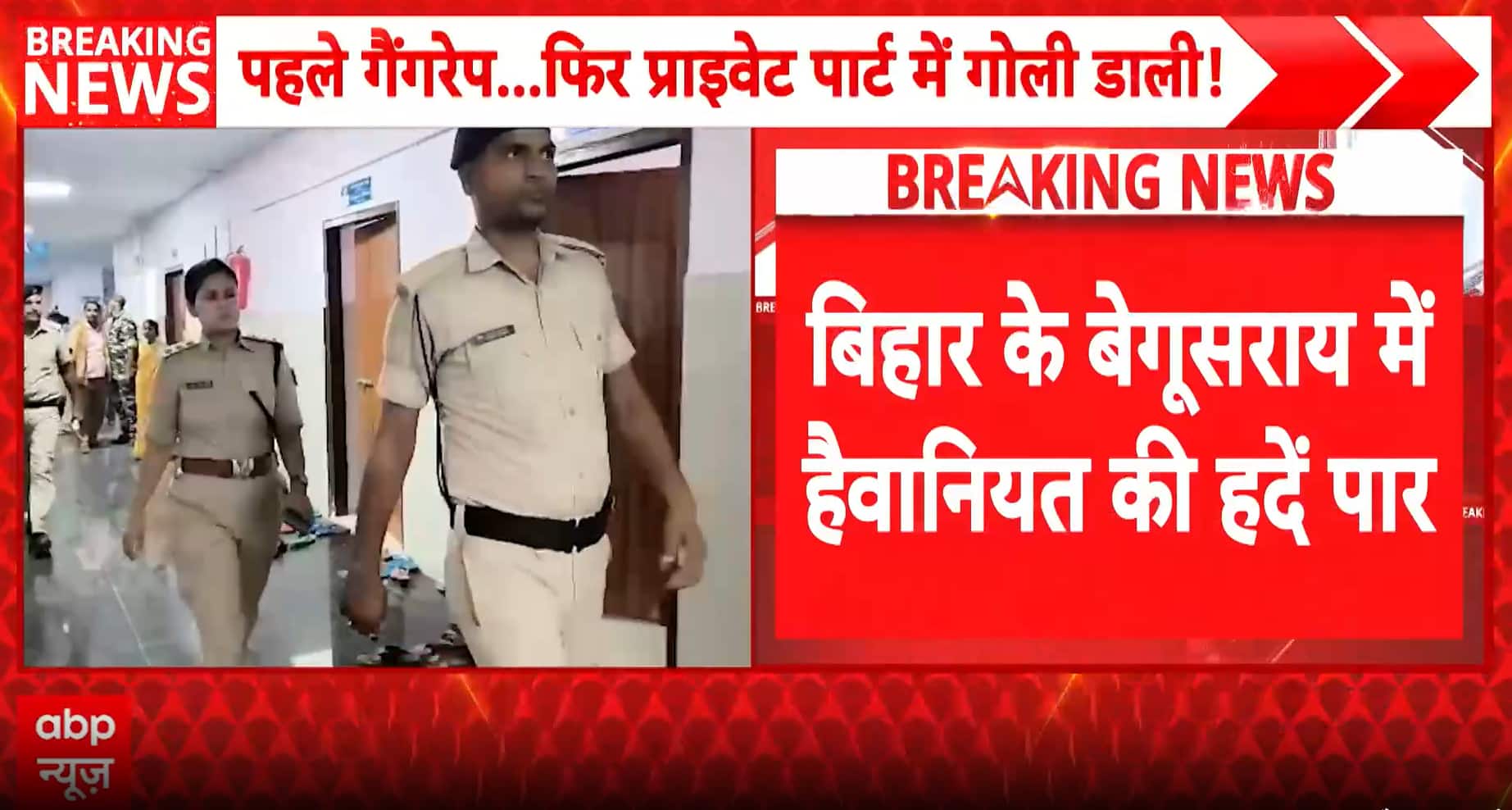
Allegations of sexual violence and delayed police intervention in Bihar have reignited the debate over institutional apathy and the safety of women in the state.
The flickering lights of a police station in Begusarai have become the focal point of a simmering public outcry. On the night of June 11, a woman allegedly faced a harrowing ordeal of sexual assault and extreme brutality, yet for the survivor and her family, the trauma did not end with the crime itself. They allege that their initial attempts to seek help were met with indifference, fueling growing outrage amid questions over the local police response. This bihar shocker has once again brought the district into the national spotlight, forcing a conversation about whether the machinery of justice is failing those who need it most.
A Pattern of Delay
While authorities have now moved to register the complaint and initiate a formal investigation, the delay in the initial response has left a bitter taste. In cases of sexual violence, the first few hours are critical for gathering forensic evidence and ensuring the safety of the victim. When that window is squandered, the begusarai assault case sparks legitimate concerns about systemic negligence. Investigators claim they are now moving with urgency, processing scientific evidence and recording statements, but for a public wary of administrative lethargy, the assurances ring hollow.
The incident serves as a grim reminder of the gap between policy and practice. Despite the state’s stated commitment to women’s safety, the disconnect on the ground—where survivors often find themselves struggling to get an FIR registered—remains a recurring theme. The fact that several days passed before the investigation gained any real momentum has only intensified the demands for accountability.
Why It Matters: The Bigger Picture
This case transcends the specifics of a single crime; it strikes at the heart of the social contract in Bihar. When law enforcement is perceived as unresponsive, it emboldens perpetrators and isolates victims, creating an environment where justice is viewed as a privilege rather than a right. The recurring nature of such incidents suggests that administrative reforms in the state must move beyond procedural updates and focus on the culture of policing. Until the accountability of local officials is strictly enforced, the cycle of public protests following such horrors will likely continue unabated.
As the political temperature rises, local leaders and activists are keeping a close watch on the probe. While senior officials monitor the situation, the pressure is mounting to move from mere investigation to tangible results. The state now faces a dual challenge: conducting a fair, swift trial that restores a shred of faith in the system, and addressing the underlying institutional failures that allowed this case to become another statistic in the bihar crime ledger.
Ananya Iyer covers global affairs with an Indian lens for PoliticalPedia.