Ayodhya Under Lens: Ram Temple Donation Probe Deepens as Trust Plans Review
NEWS UPDATE: Ram Temple Donation Probe Deepens as Trust Plans Review, Political Row Intensifies
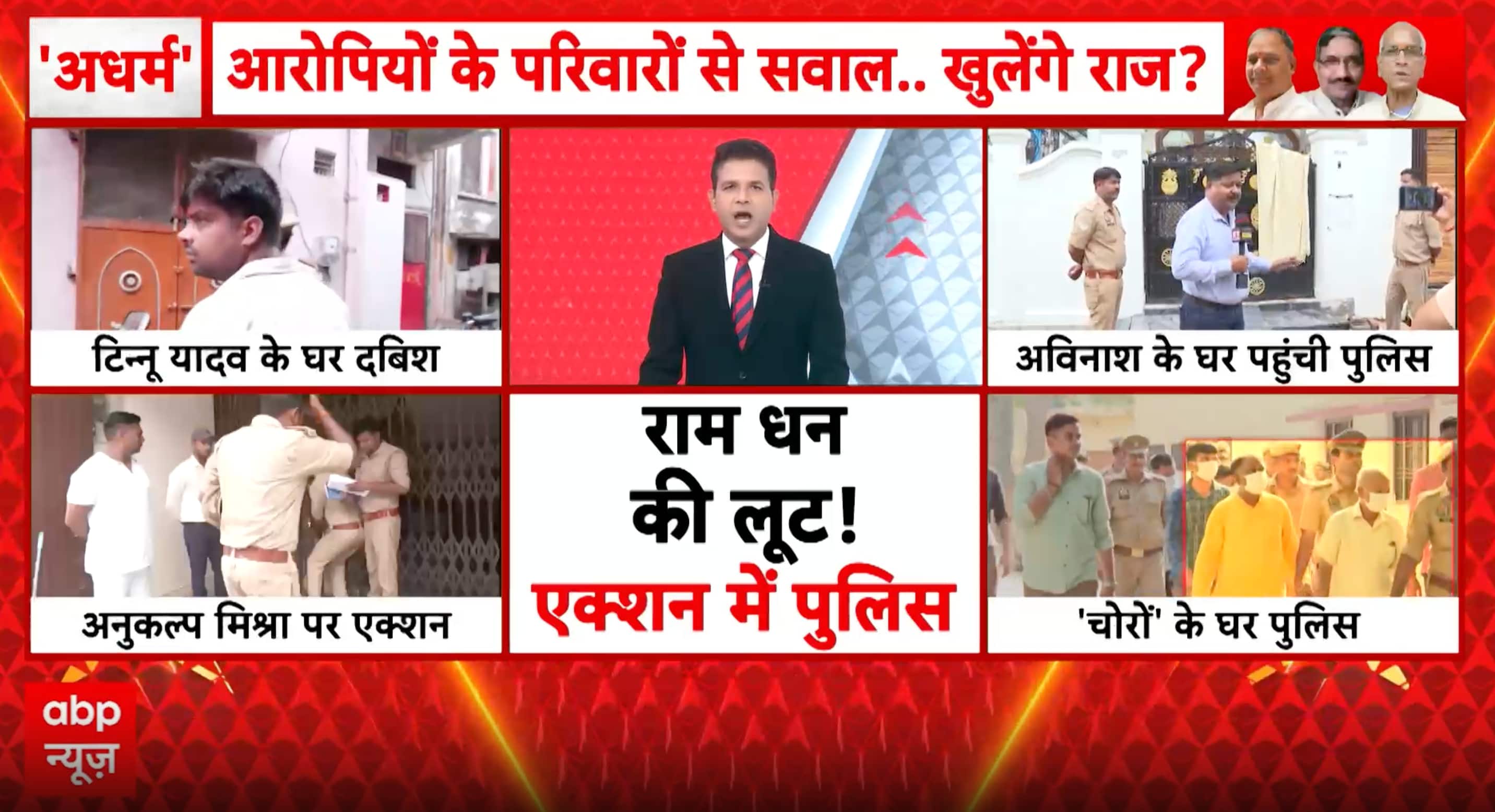
As police raids target the residences of accused individuals, the Shri Ram Janmabhoomi Teerth Kshetra Trust faces a internal reckoning amid growing political pressure.
The sprawling construction site in Ayodhya, which stands as a symbol of immense faith, is currently at the center of a different kind of scrutiny. The ram temple donation probe has moved into a critical phase this week, with the Special Investigation Team (SIT) conducting coordinated raids on the homes of several suspects implicated in the misappropriation of temple funds. As investigators meticulously map the alleged money trail, the pressure is mounting on the Shri Ram Janmabhoomi Teerth Kshetra Trust to address the deepening scandal.
Internal Shake-up and Accountability
The trust plans review of its internal administration is now firmly on the agenda for its upcoming meeting on July 11. In a significant move aimed at maintaining the integrity of the ongoing investigation, senior members Champat Rai and Anil Mishra have submitted their resignations. While these departures have sent ripples through the organization, officials maintain that the voluntary steps were taken specifically to ensure that the police inquiry remains free from any perception of institutional interference.
Inside the Trust, there is a clear acknowledgment that lapses have occurred. While top officials have expressed regret over the situation, they have taken a firm stance that any individual found guilty of siphoning funds meant for the temple will face the full force of the law. Beyond the immediate legal fallout, there is talk within administrative circles of creating a CEO role to oversee the Trust's professional functioning, a move that would represent a significant shift in how the temple’s massive financial inflows are managed.
The Political Heat
As the probe intensifies, the political row intensifies in equal measure. Opposition leaders have seized the moment, demanding a higher level of transparency and calling for a Joint Parliamentary Committee (JPC) to examine the financial irregularities. They argue that because the temple occupies such a sensitive space in the national consciousness, the public deserves an exhaustive and independent inquiry.
Conversely, the Trust and its associated organizations are urging all parties to step back from the political arena. They argue that politicizing the issue only complicates the judicial process and that the focus should remain solely on the evidence being gathered by the police.
Why it matters
The broader significance here transcends the specific financial theft under investigation. For the Trust, this is a crisis of legitimacy. The management of the Ayodhya site is not merely a logistical task; it is an exercise in public trust involving the contributions of millions of devotees. If the investigation concludes that oversight mechanisms were critically flawed, it could force a permanent overhaul in how large-scale religious trusts are governed in India. The pattern of moving toward a more corporate, professionalized structure—like the mooted CEO role—suggests that the days of informal management of such high-profile shrines may be coming to an end.
Arjun Mehta reports on government, policy and Parliament for PoliticalPedia, in English and Hindi.