Ayodhya Oversight: UP Home ACS Sanjay Prasad Joins Shri Ram Janmabhoomi Trust Meeting via Video Conference
UP Home ACS Sanjay Prasad Joins Shri Ram Janmabhoomi Trust Meeting via Video Conference | News18
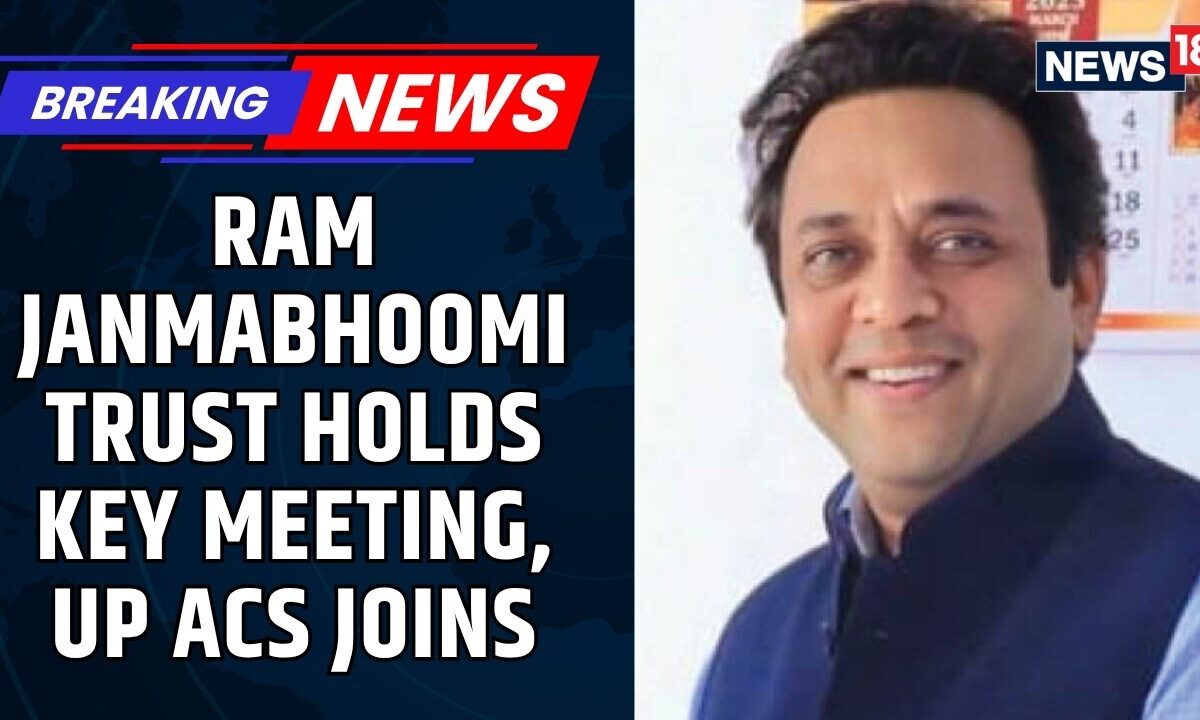
The Uttar Pradesh government maintains a direct line of communication with the temple trust as senior bureaucrat Sanjay Prasad participates in key proceedings remotely.
The administrative oversight of Ayodhya’s infrastructure and security remains a high-priority task for the Uttar Pradesh government. Earlier today, Additional Chief Secretary (Home) Sanjay Prasad joined a crucial meeting of the Shri Ram Janmabhoomi Teerth Kshetra Trust through a video conference. This digital participation underscores the state’s ongoing commitment to coordinating logistics and security protocols for the temple site without the need for physical travel.
Balancing Administrative Continuity
The decision for the UP Home ACS to join the meeting via a video conference reflects a growing reliance on secure digital infrastructure for high-stakes governance. As the state manages the evolving needs of the temple complex, balancing rapid decision-making with the demands of the Lucknow secretariat becomes essential. By leveraging remote technology, the administration ensures that the trust remains aligned with state-level security directives and developmental planning.
While the session focused on internal trust matters, the presence of a senior official like Prasad highlights the intersection of public administration and the management of the sacred site. The government has consistently maintained that the security and management of the Ayodhya complex are matters of state interest, particularly as visitor footfall and operational requirements fluctuate.
Why it matters
The move serves as a window into how the UP government is institutionalizing its relationship with the trust. By integrating the Home Department into these deliberations, the state is signaling a long-term administrative strategy rather than a series of ad-hoc responses. For the bureaucracy, this isn't just about temple management; it is about maintaining a seamless, real-time coordination loop that can be replicated for other major state projects.
As the administration continues to calibrate its approach to Ayodhya, observers see this as a template for how the state intends to manage high-profile sites. The ability to pivot to digital platforms ensures that state authorities remain involved in the granular details of the trust’s planning, effectively bridging the gap between governmental policy and on-ground execution. Whether this leads to more efficient governance or increased bureaucratic oversight remains the central question for stakeholders involved in the project’s future.
Ananya Iyer covers global affairs with an Indian lens for PoliticalPedia.