As Exam Row Simmers, Sonam Wangchuk’s Hunger Strike Brings Focus to Jantar Mantar
Sonam Wangchuk's hunger strike enters day 2 at Jantar Mantar
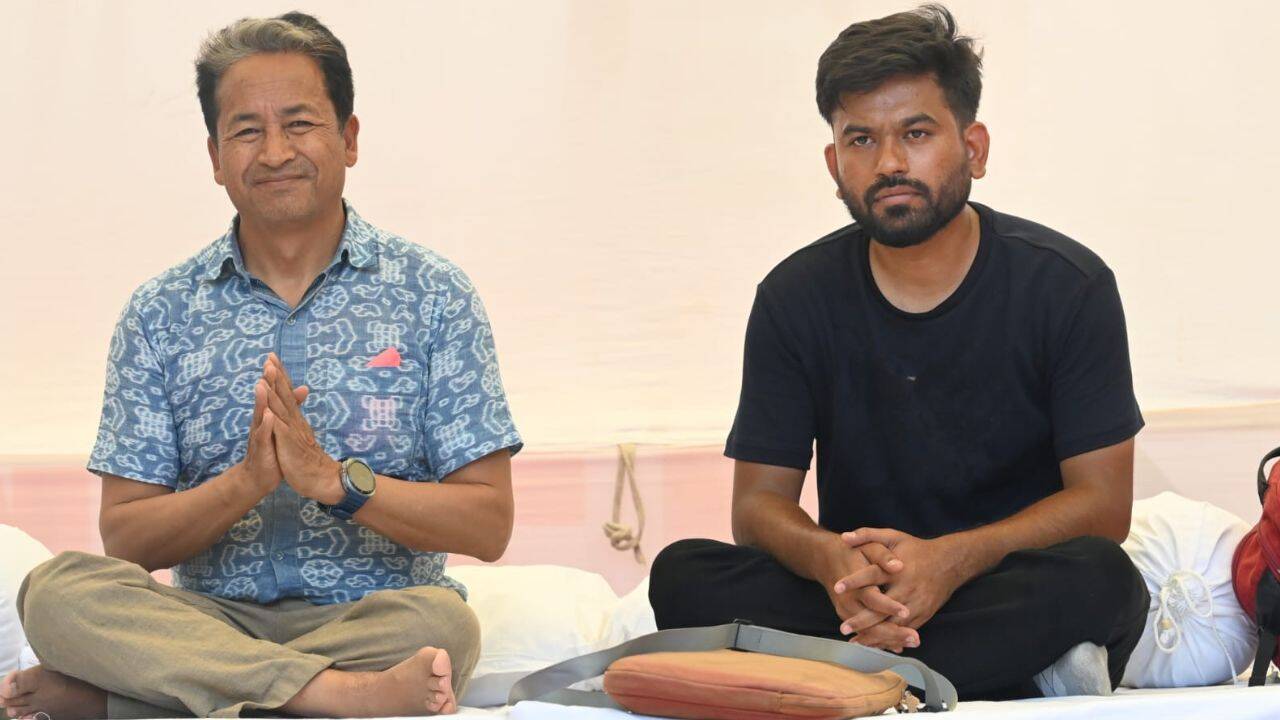
The climate activist joins a mounting protest in the national capital, demanding accountability for systemic lapses in national examinations.
The air at Jantar Mantar is thick with the charged energy of a movement that has transcended its origins. On Monday, Sonam Wangchuk’s indefinite hunger strike entered its second day, marking a significant escalation in the ongoing agitation against alleged irregularities in competitive examinations. Wangchuk, who began his fast on Sunday, chose to start the day with a visit to Rajghat, paying his respects at the memorial of Mahatma Gandhi before returning to the heart of the capital’s protest site.
The scene at Jantar Mantar has become a microcosm of wider student and agrarian frustration. Wangchuk has integrated his protest with the Cockroach Janata Party (CJP), an outfit that has been camping at the site since June 20. The CJP, led by founder Abhijeet Dipke, has been steadfast in its singular demand: the resignation of Union Education Minister Dharmendra Pradhan. The atmosphere is marked by a mix of resolve and friction; activists claim that authorities have denied permission to install basic facilities, including a portable toilet, even as water supplies at the venue remain unreliable.
Growing Solidarity and State Friction
The gathering has drawn a diverse demographic, ranging from students travelling on general train tickets to farmer leaders from Punjab, Haryana, and Uttar Pradesh. Dipke alleges that the state’s response has been one of containment, claiming that several farmer representatives were placed under house arrest to prevent them from joining the demonstrators at Jantar Mantar. Despite these hurdles, the crowd has swelled, with hundreds of young people gathering to witness the start of the fast, which was preceded by a two-minute silence for those impacted by the exam turmoil.
The convergence of climate activism and educational reform highlights a shift in how public dissent is manifesting in the capital. While the CJP has been the primary organizer, Wangchuk’s entry into the fold has amplified the volume of the protest, shifting the narrative from a local demonstration to a broader call for nationwide support.
The Bigger Picture
The protest at Jantar Mantar is symptomatic of a deeper, systemic crisis of trust regarding the integrity of national examination processes. When public figures like Wangchuk, known for their work in environmental advocacy and social reform, align themselves with student-led movements, it signals that the issue has moved beyond mere administrative dissatisfaction into a broader struggle for governance and accountability. The government now faces a delicate challenge: balancing the handling of these public demonstrations with the urgent need to address the anxieties of a generation that feels its future is compromised by opaque testing protocols. The coming days will be critical, as both the pressure on the ministry mounts and the visibility of the protest at this historic site continues to grow.
Ananya Iyer covers global affairs with an Indian lens for PoliticalPedia.