Air India Express Retreats: A Setback for Noida and Hindon Airport Connectivity
Cost-cutting: AI Express pulls out of Noida Airport launch & Hindon too
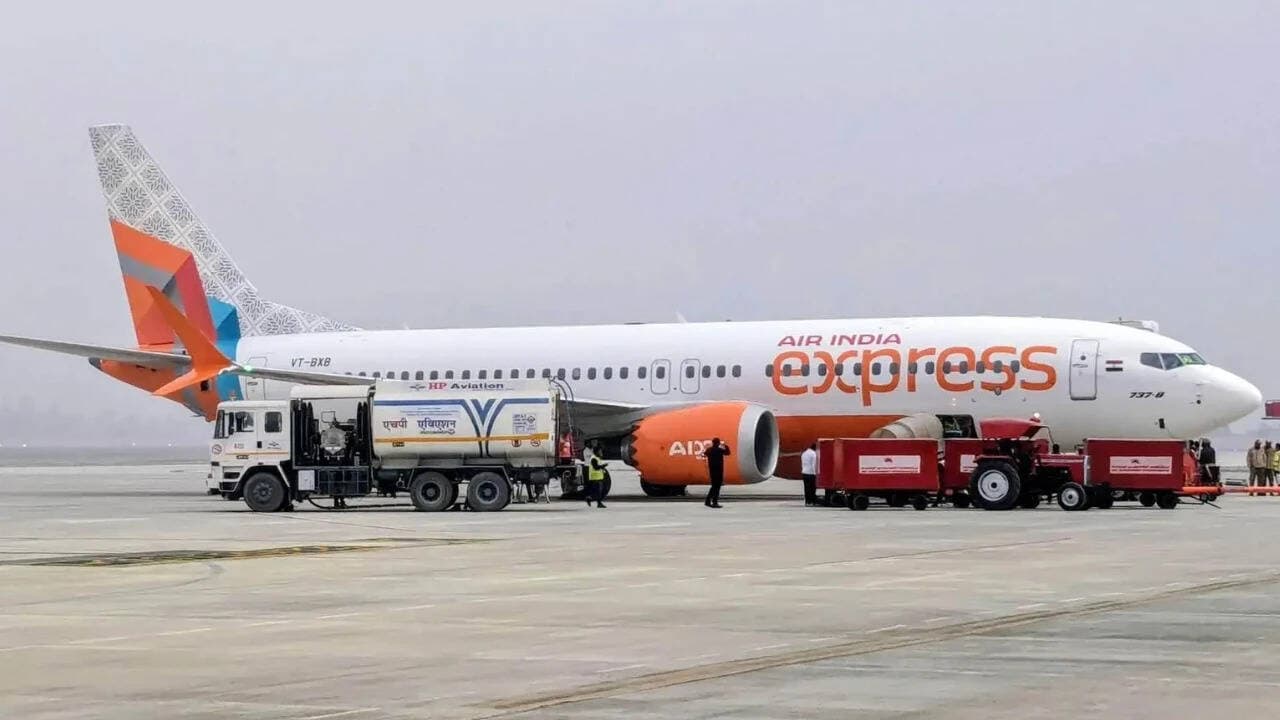
The budget carrier has shelved its plans to operate from the upcoming Noida International Airport and exited Ghaziabad's Hindon facility as the airline prioritizes cost-cutting over network expansion.
The launch of the Noida International Airport (NIA) next Monday will be a quieter affair than anticipated. While the facility is set to welcome its first commercial flights, the buzz will be muted by the absence of Air India Express. The Tata-backed carrier, originally slated as one of the three foundational airlines for the airport, has indefinitely postponed its entry, leaving the operational burden—and the opportunity—largely to IndiGo and, to a lesser extent, Akasa Air.
This decision is not an isolated development but part of a broader strategy of network rationalization. Faced with mounting financial pressures and the high cost of maintaining fragmented operations across the National Capital Region (NCR), the airline is choosing to consolidate its resources at Delhi’s Indira Gandhi International Airport (IGIA). For the group, splitting limited assets between three distinct airports in the same region simply didn't make fiscal sense at this juncture.
The Hindon Struggle
The withdrawal from the Hindon airport is arguably more telling of the operational bottlenecks currently plaguing regional connectivity. Once pitched as a decongestion solution for Delhi, Hindon’s commercial viability has dwindled. The airport, which saw a peak of 25 daily aircraft movements last winter, has seen that number plummet to just eight.
The facility is effectively hampered by severe infrastructure constraints: it possesses only two parking bays for commercial jets and operates under restricted sunrise-to-sunset hours. These limitations create a domino effect; if a single flight faces a technical delay, the subsequent arrival must be diverted to the much larger IGIA, forcing the airline to swallow the operational costs of the diversion.
Why it matters
The shrinking footprint of carriers at secondary airports reflects a sobering reality for Indian aviation. While there is immense demand for air travel, the current operating environment—marked by high fuel costs and the ripple effects of global geopolitical instability—has forced airlines to prioritize route profitability over expansion.
For passengers, this means fewer options to bypass the congestion of Delhi’s main hub. Until the government expands the civil terminal at Hindon and larger airports like NIA build the necessary critical mass of demand, the dream of a multi-airport ecosystem in the NCR will remain a work in progress. For now, the "hub-and-spoke" model remains firmly anchored to the dominant IGIA, as airlines opt for the safety of established volumes over the risks of newer, under-equipped terminals.
World Desk at PoliticalPedia covers global affairs for an Indian audience in English and Hindi.