A Savage 'Overturn This': How Belgium Turned FIFA Controversy into World Cup Dominance
'Overturn this': Belgium's savage post after crushing USA to reach WC quarter-finals
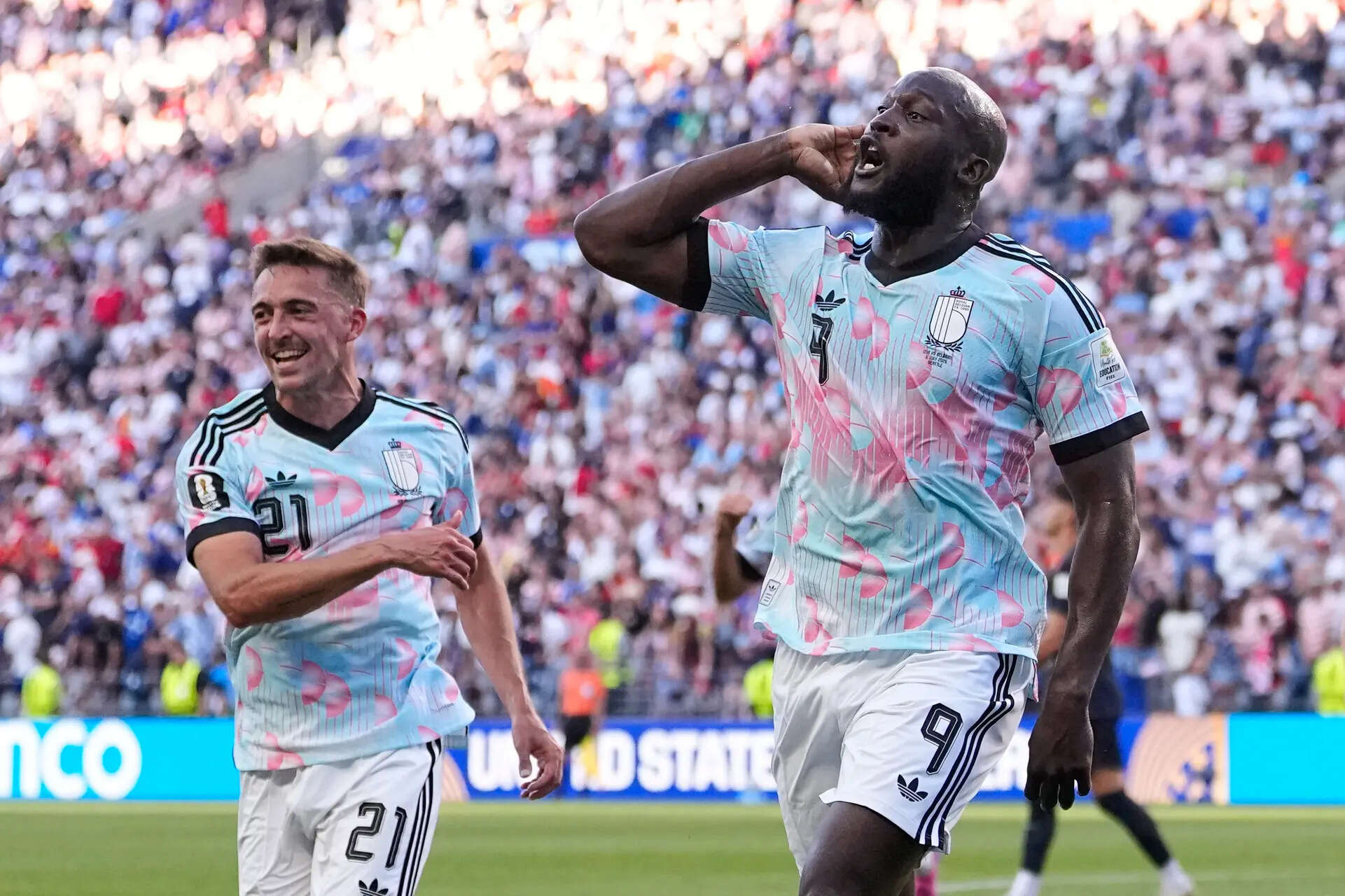
The Red Devils answered pre-match administrative drama with a ruthless 4-1 thrashing of the co-hosts, proving that results on the pitch speak louder than boardroom reprieves.
The atmosphere in Seattle was always going to be electric, but the tension shifted from the tactical to the administrative long before kickoff. As the dust settles on the usa vs belgium clash, it is clear that the pre-match drama surrounding Folarin Balogun served only to sharpen the resolve of the Belgian squad. By the time the final whistle blew, the 4-1 scoreline served as a brutal punctuation mark to a week of intense scrutiny over FIFA’s disciplinary processes.
The controversy originated from Balogun’s red card in the previous round against Bosnia and Herzegovina. Under normal circumstances, an automatic one-match ban should have sidelined him. Instead, FIFA invoked Article 27 of its disciplinary code, offering a one-year probationary period that cleared the star striker to face Belgium. The Belgian football federation’s formal challenge was dismissed, leaving the team to vent their frustrations in the most public way possible.
From the boardrooms to the viral feed
Belgium’s reaction to the reprieve was swift and biting. Shortly after their decisive victory in the Round of 16, the team’s social media channels posted an Instagram Story that carried a singular, pointed message: "Overturn this." It was a clear, sarcastic jab at the ruling that had dominated the news cycle for forty-eight hours.
The social media campaign did not end there. In a move that tapped into the eternal cultural divide between the American and international fanbases, the Belgian account took to X to post, "It’s called FOOTBALL." It was a classic piece of digital gamesmanship, aimed squarely at the co-hosts after their world cup exit.
Clinical execution on the pitch
While the off-field chatter made headlines, the actual play was entirely one-sided. Charles De Ketelaere delivered a masterclass, netting two goals and providing an assist that left the American defense scrambling. Despite a momentary flicker of hope provided by Malik Tillman’s deflected free-kick, the U.S. never regained their footing.
A critical error by goalkeeper Matt Freese handed Belgium their third, effectively ending any chance of an American comeback. Romelu Lukaku added a final, clinical strike in stoppage time, marking his third consecutive goal in the tournament and cementing Belgium's spot in the quarter-finals.
Why it matters
This incident highlights a growing friction between FIFA’s administrative flexibility and the expectations of sporting integrity. When disciplinary codes are bypassed to ensure star players participate in marquee matches, it inevitably invites accusations of bias or preferential treatment for host nations.
Belgium’s post-match behavior suggests that teams are increasingly unafraid to weaponize their grievances when they feel the system has been tilted against them. For FIFA, the challenge remains: how to maintain a consistent disciplinary standard in a high-stakes environment where the optics of every decision are scrutinized by millions. The "overturn" narrative will likely fade as the tournament progresses, but it has left a mark on how fans perceive the fairness of this year's competition.
Rohan Gupta covers the economy, markets and companies for PoliticalPedia.