A Record-Breaking Blitz: How the 2026 FIFA World Cup is Rewriting the History Books
FIFA World Cup 2026 breaks all-time goal record before knockout stage
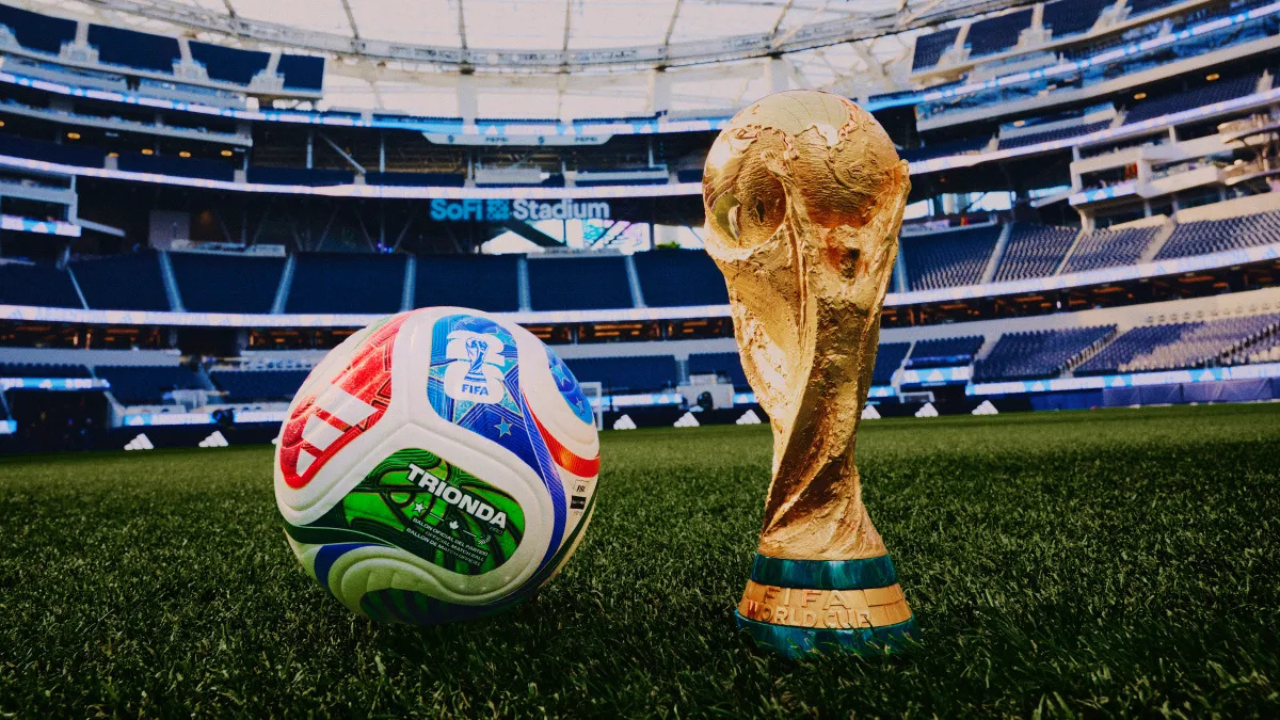
From an avalanche of goals to packed stadiums, the expanded tournament is setting new benchmarks for the beautiful game before the knockout stage even begins.
The 2026 FIFA World Cup is currently rewriting the archives of global football with ruthless efficiency. The landmark moment arrived during a high-stakes Group D clash between the United States and तुर्किये (Turkey), where defender Auston Trusty’s strike pushed the tournament tally to 173 goals. This eclipsed the previous record of 172 set during the entire 2022 edition in Qatar, and remarkably, the feat was achieved during only the 59th match. By the time the final whistle blew on Turkey's 3-2 victory, the scoreboard had nudged even higher to 177, signalling an era of relentless attacking play.
The Messi Factor and the Numbers Game
While the collective goal tally has soared, individual brilliance has also taken centre stage. Lionel Messi has officially cemented his legacy, breaking the all-time world scoring record by overtaking Miroslav Klose. With 18 goals now to his name, the Argentine talisman has added another layer of history to a tournament already defined by its sheer volume of action. His performance, alongside the attacking output of teams across the board, has validated the excitement FIFA president Gianni Infantino touted on social media as the competition continues to unfold.
Beyond the nets, the stands are telling a story of their own. With over 3.6 million spectators having already passed through the turnstiles across the United States, Canada, and Mexico, this edition has officially surpassed the 1994 record of 3.5 million. It is now the most-attended FIFA World Cup in history, and with 45 matches still remaining, these figures are only set to balloon further.
Why it matters: The Big Picture
The shift to a 48-team format, increasing the total matches from 64 to 104, was initially met with scepticism by purists who feared a dilution of quality. However, the data suggests a different reality. The expansion has provided a larger canvas for emerging talent and a higher frequency of high-scoring affairs, keeping fan engagement at an all-time high.
For the sport, this indicates that the "more is better" approach—at least in terms of volume and accessibility—is paying dividends for broadcasters and organisers alike. While the traditional powerhouses remain the draw, the increased participation has turned the group stages into a more volatile and unpredictable spectacle. The 2026 tournament is proving that the global appetite for top-tier football is not just steady, but growing, shifting the power dynamics of how the game is consumed on a world stage.
Priya Nair covers parties, elections and the business of power for PoliticalPedia.