A House Divided: Internal Rebellion Pushes Trinamool Congress to the Brink
Breaking News: TMC Civil War Intensifies | Rebel Leaders Level Serious Charges | TMC Vs TMC!
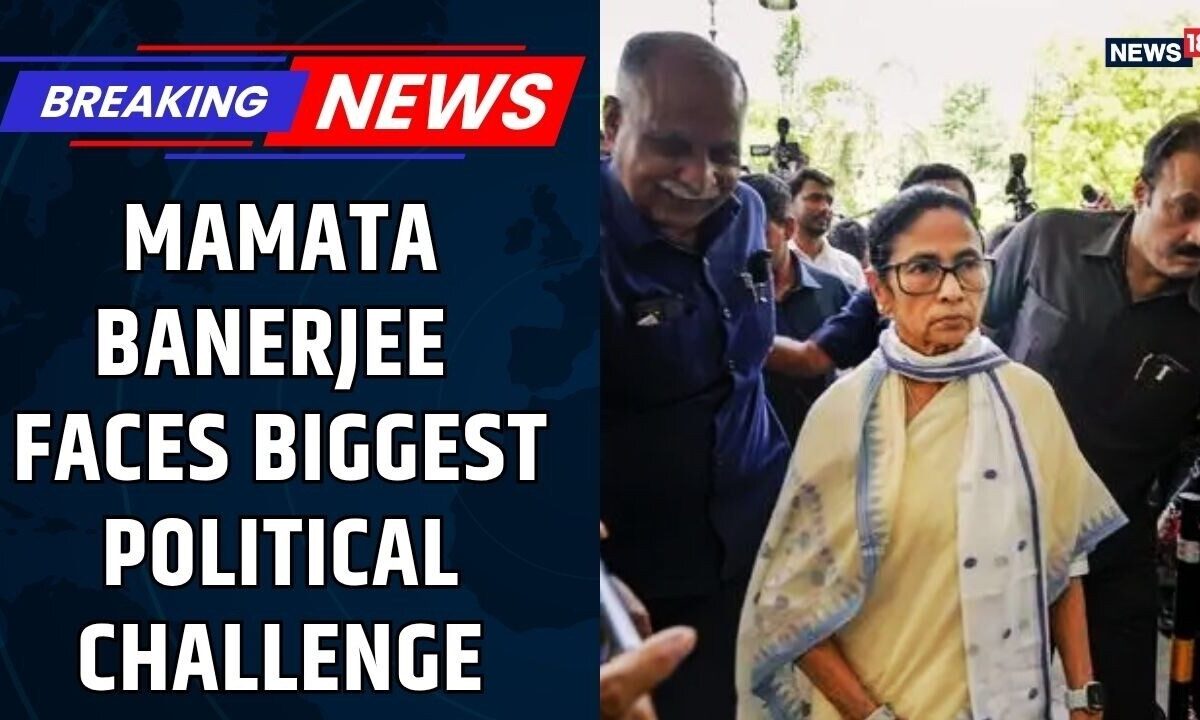
As dissent brews within the TMC, the party faces a high-stakes standoff that threatens its internal stability and parliamentary influence.
The corridors of power in Kolkata are buzzing with an intensity that hasn't been felt in years. As the TMC civil war intensifies, the party is staring down a structural crisis that goes far beyond mere whispers of dissent. With rebel leaders leveling serious charges against the existing hierarchy, the narrative of a unified front under Mamata Banerjee is rapidly splintering into a messy, public TMC vs TMC battle.
The friction is not just restricted to state-level politics; it has travelled straight to the national capital. Abhishek Banerjee’s hasty arrival in Delhi signals that the leadership is treating the revolt as a genuine existential threat. This isn't just about party discipline anymore. With reports suggesting that some rebels are actively exploring a separate bloc status to potentially align with the NDA, the party’s parliamentary arithmetic—and its ability to act as a unified opposition block—is in genuine jeopardy.
The Cracks Widen
The resignation of Sushmita Dev from the Rajya Sabha has acted as a catalyst, sending shockwaves through the party’s central leadership. This latest jolt is perhaps the most significant indicator that the grievances regarding the party's decision-making processes have reached a breaking point. These leaders have consistently voiced their dissatisfaction, but the shift from private internal critique to public exodus suggests that the bridge-building efforts by the Banerjee camp are failing to gain traction.
As these factions continue to trade accusations, the political landscape in West Bengal is bracing for a tectonic shift. The serious nature of the allegations regarding how the party is being managed has left many wondering if the current structure can survive the strain. For now, the focus remains on whether these rebels will continue to operate as a defiant faction within or if they will jump ship entirely to join the BJP, a move that would fundamentally alter the state's political calculus.
Why it Matters: The Bigger Picture
This internal upheaval is about more than just personal ambitions; it is a stress test for the Trinamool Congress’s ability to manage its transition from a regional movement to a national player. When a political organization spends its energy managing internal fires, its ability to influence policy or challenge the central government inevitably withers.
The pattern here is clear: centralization of power often invites friction, and when that friction is managed through confrontation rather than consensus, the result is the kind of volatility we are seeing today. Should the rebels succeed in forming a separate bloc, the TMC risks losing its leverage in Parliament, potentially weakening its bargaining power on issues of national importance. Observers are watching closely because this isn't just a local dispute—it is a signal that the party’s long-standing hegemony in Bengal is facing its most significant internal audit.
Ananya Iyer covers global affairs with an Indian lens for PoliticalPedia.